CEIPA × TOYOTA GROUP “MUSIC WAY PROJECT” Professional Seminar Public Series 5th Edition (Europe & North America Edition) – Official Recap
On November 5, the public seminar “CEIPA × TOYOTA GROUP ‘MUSIC WAY PROJECT’ Professional Seminar Public Series 5th Edition (Europe & North America Edition)” was held at the Google office in Shibuya Stream, Tokyo.
This seminar series, held across five sessions, has featured active professionals from the global music industry providing insights into international markets, their structural characteristics and considerations for global expansion. The final session was organized as part of the 22nd Tokyo International Music Market ( TIMM) Business Seminar and centered on music business strategies in Europe and North America, including the United States. The event drew a significant number of label representatives and other industry stakeholders with ambitions for overseas development andwas simultaneously streamed online.
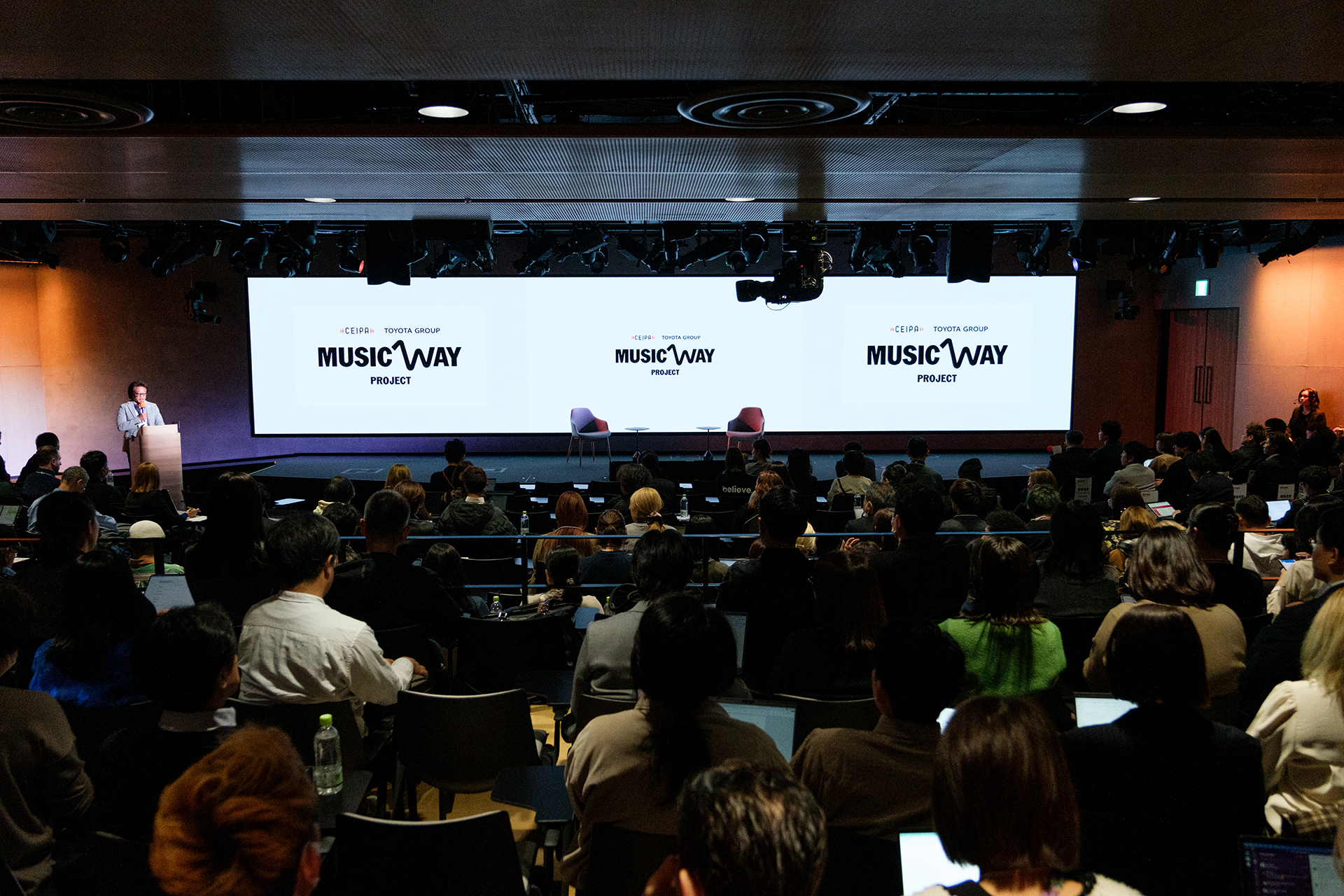
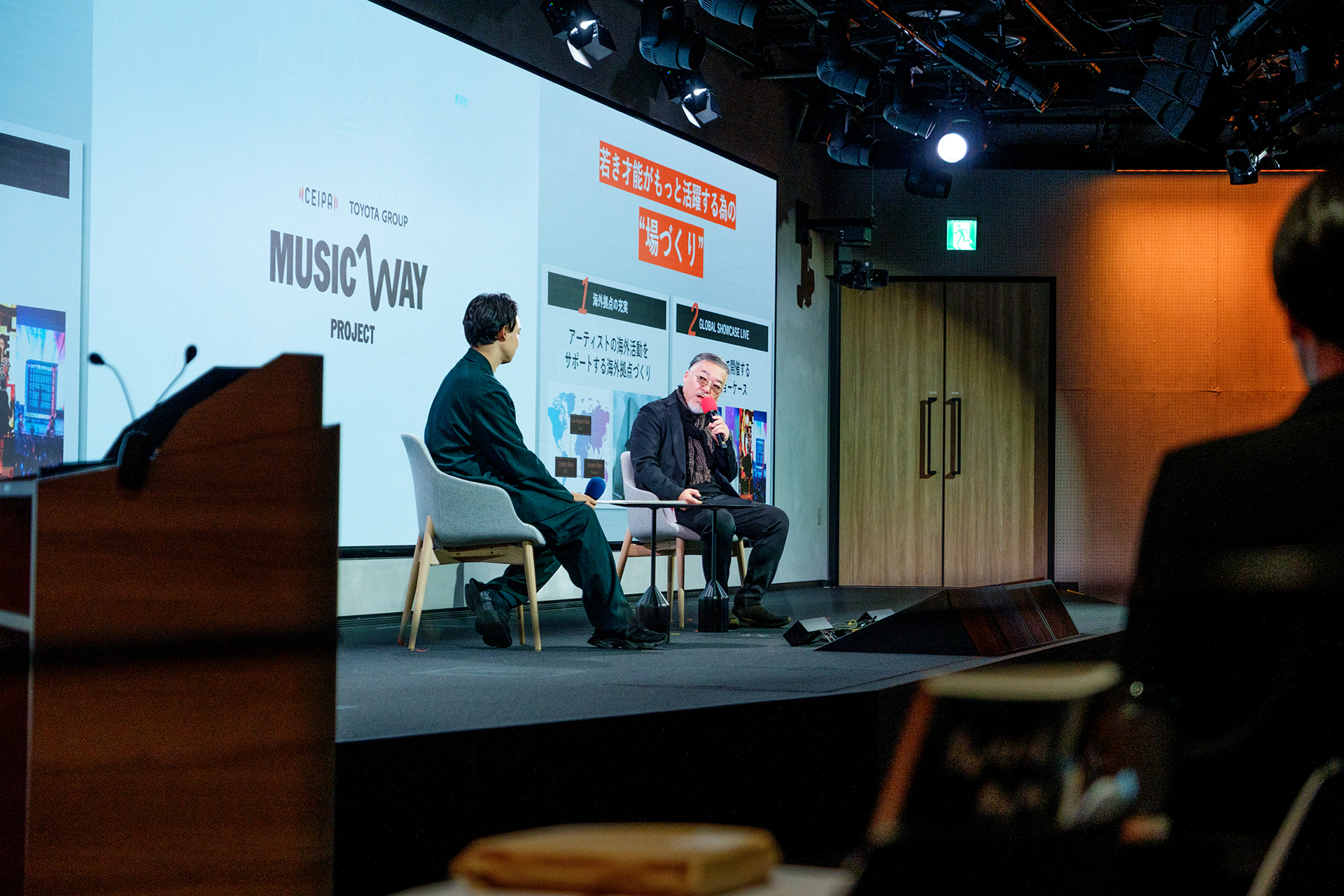
The seminar commenced with opening remarks by Taro Kumabe, Board Member of the Federation of Music Producers Japan. The program proceeded to a segment titled “Introduction from CEIPA,” in which Junichiro Takeda, President and CEO of TOYOTA CONIQ Pro Inc., reiterated the founding objectives of the “CEIPA × TOYOTA GROUP ‘MUSIC WAY PROJECT,’” jointly established by the Japan Culture and Entertainment Industry Promotion Association (CEIPA) and the TOYOTA GROUP. He reviewed the initiative’s core principles as a co-creation project designed to support the advancement of Japan’s music industry, emphasizing its two central pillars: “people development,” involving the provision of learning opportunities, and “place development,” including the establishment of overseas activity hubs. He further addressed the rationale behind the TOYOTA GROUP’s involvement in the music sector, despite its foundation in the automotive industry, and outlined the forms of value creation required in the evolving global landscape.
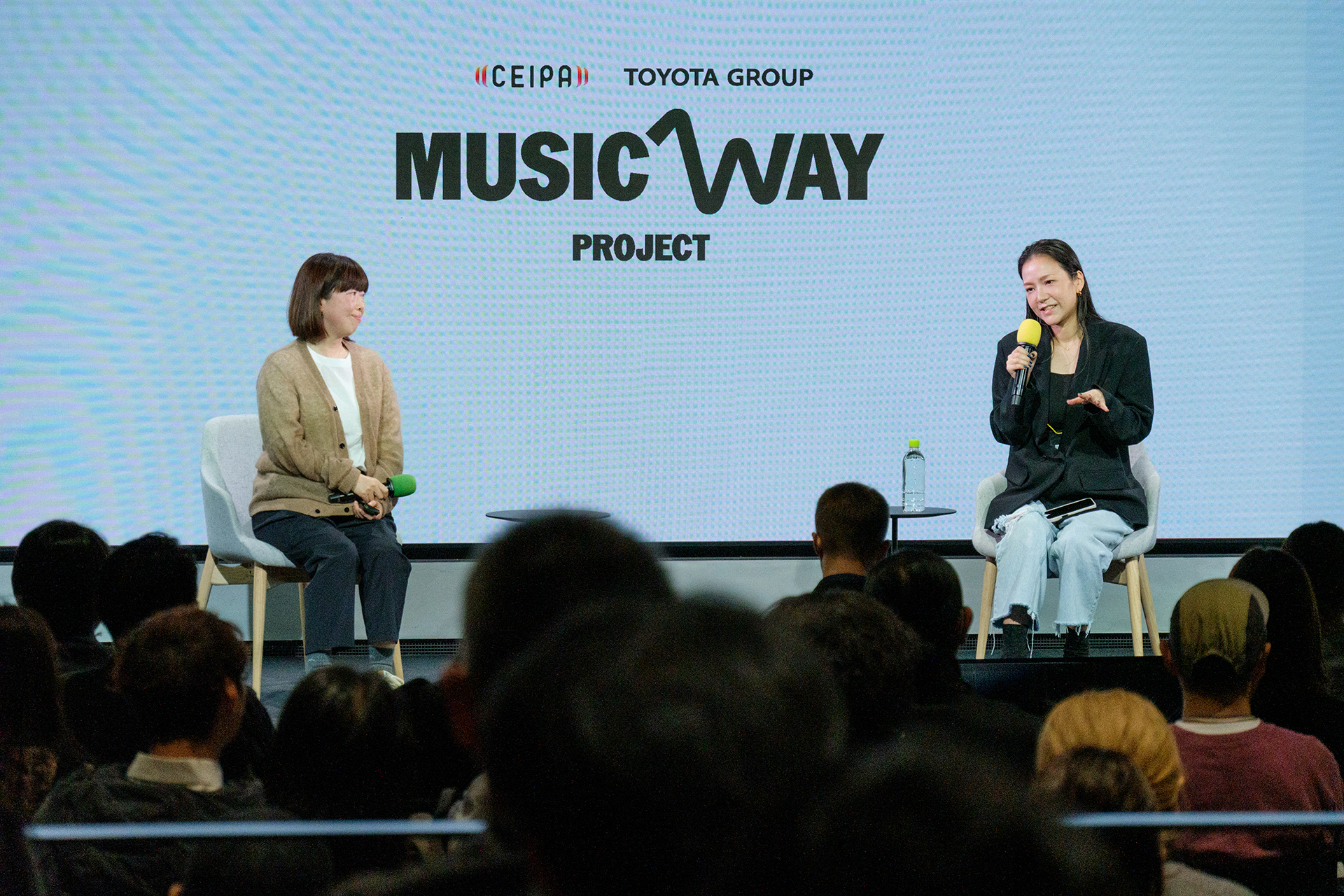
The main session, “Market Deepdive #5,” featured Tomoko Ida, trackmaker/producer and Music Producer at Sony Music Publishing (Japan) Inc., and Yuuta Aoki, Music Growth Manager at Duetti, who is active across both creative and business fields. Both speakers, currently based in North America, provided detailed observations on current market conditions in the United States, delivering practical insights that resonated strongly with attendees. The video lecture series by a Berklee College of Music professor, included in the previous four editions, concluded in the preceding session and was therefore not part of this program.
The first speaker, Ida, began by discussing her career trajectory and the differences between music production environments in Japan and the United States. Originally active in Japan, she shifted her base overseas after signing with Sony Music Publishing and subsequently relocated to the U.S. She highlighted the importance of proactive initiative, recounting how reaching out via social media to a producer she admired ultimately led to her participation in a Grammy-nominated project.
Ida also addressed structural differences between the Japanese and U.S. creative ecosystems. In the United States, co-writing is widely practiced, with particular growth in sync camps that develop music for visual media and in the reinterpretation of existing works through interpolation. She noted that royalty allocations also differ substantially: whereas publishers in Japan customarily retain 50 percent, it is standard practice in the U.S. for participating writers to divide shares equally. When asked for advice for artists aiming to enter international markets, she emphasized the importance of maintaining gratitude toward collaborators and sustaining long-term commitment and perseverance.
The next speaker, Aoki, presented strategies for Japanese artists seeking success in the North American market. He observed that streaming accounts for 80% of music consumption in North America, and that the rise of micro-genres has created substantial opportunities for niche music. He identified short-form content, music placements in film and advertising, and the gaming sector as key areas of future growth.
Aoki further underscored that optimizing metadata is essential for market penetration, not only across platforms such as Spotify and YouTube, but increasingly for AI systems such as ChatGPT. He stressed that romanization is particularly critical for Japanese artists: song titles, artist names and lyrics should be presented in romanized Japanese, ideally accompanied not only by English translations but also phonetic romanization that reflects the original Japanese pronunciation.

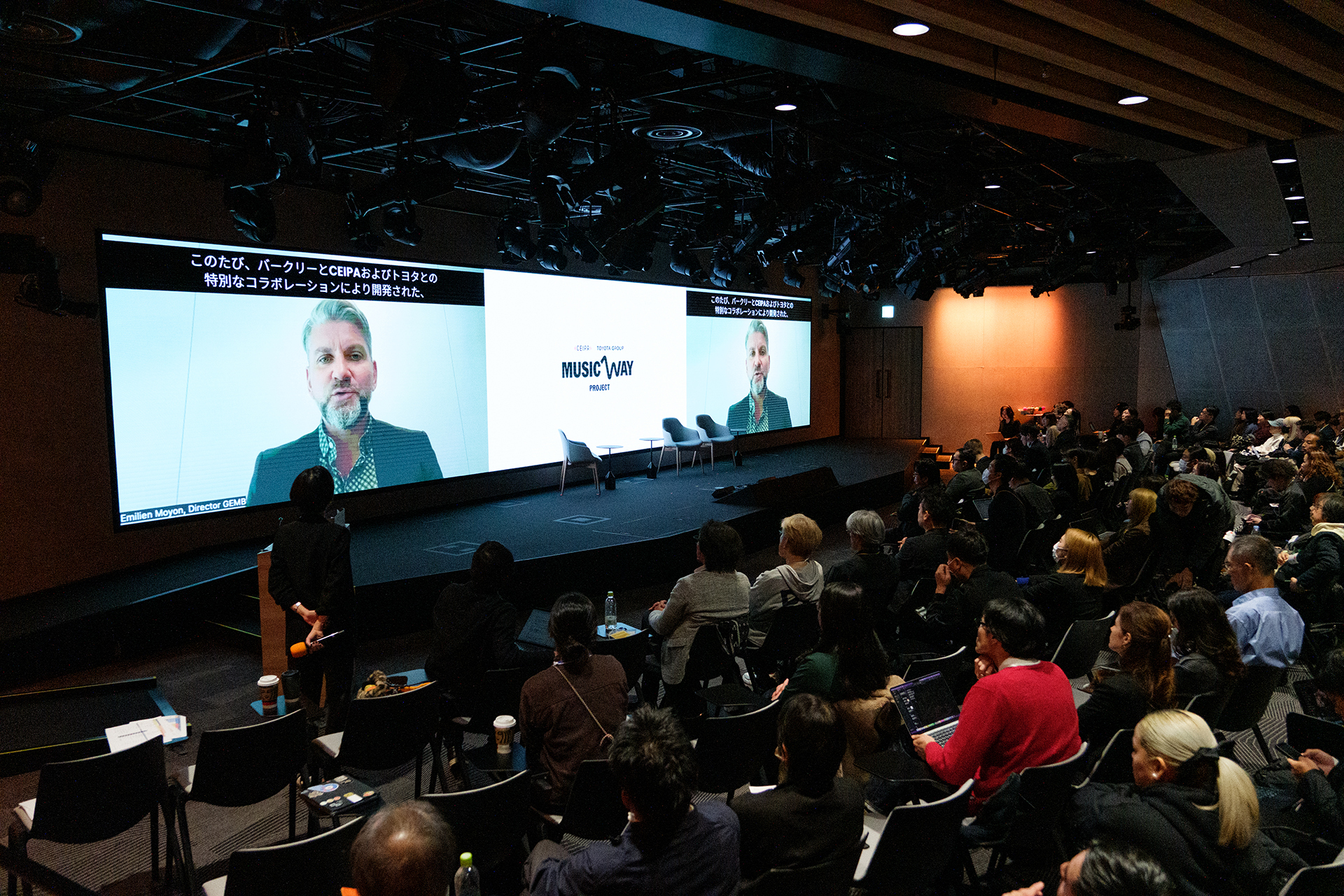
Following the main session, the program included a Q&A segment with Ida and Aoki; a video message from Professor Emilien Moyon of Berklee College of Music introducing the upcoming four-day Intensive Workshop scheduled for December; and a lunchtime “Reshow & Mixer” reviewing highlights from past seminars. These components facilitated active discussion and exchange among participants.