Report: CEIPA × TOYOTA GROUP "MUSIC WAY PROJECT" Professional Seminar Flagship Series 1st Edition (India Edition), Supported by JETRO

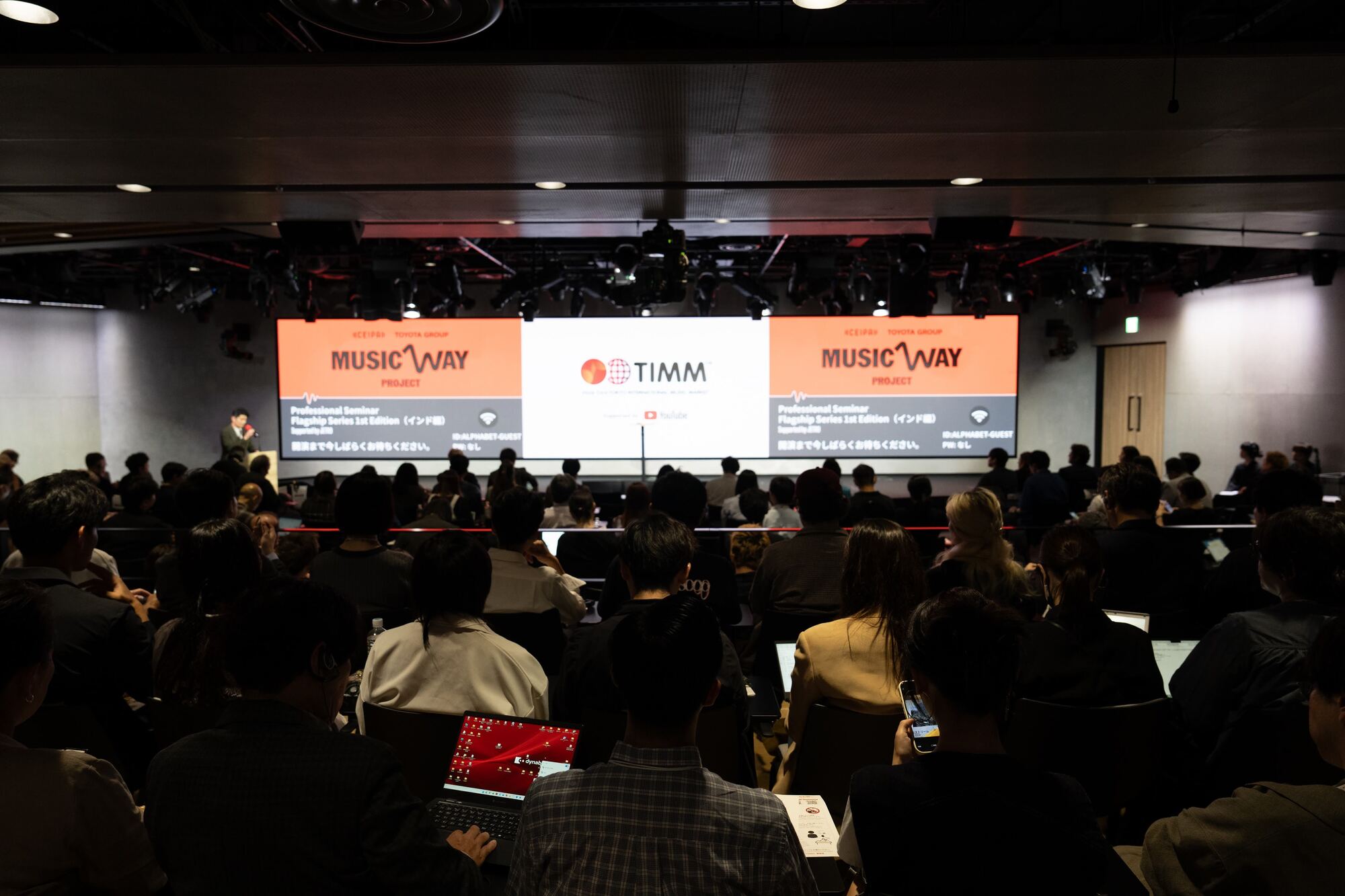
On June 11, the music industry seminar “CEIPA × TOYOTA GROUP ‘MUSIC WAY PROJECT’ Professional Seminar Flagship Series 1st Edition (India Edition), Supported by JETRO” was held at the Google office in Shibuya Stream, Tokyo.
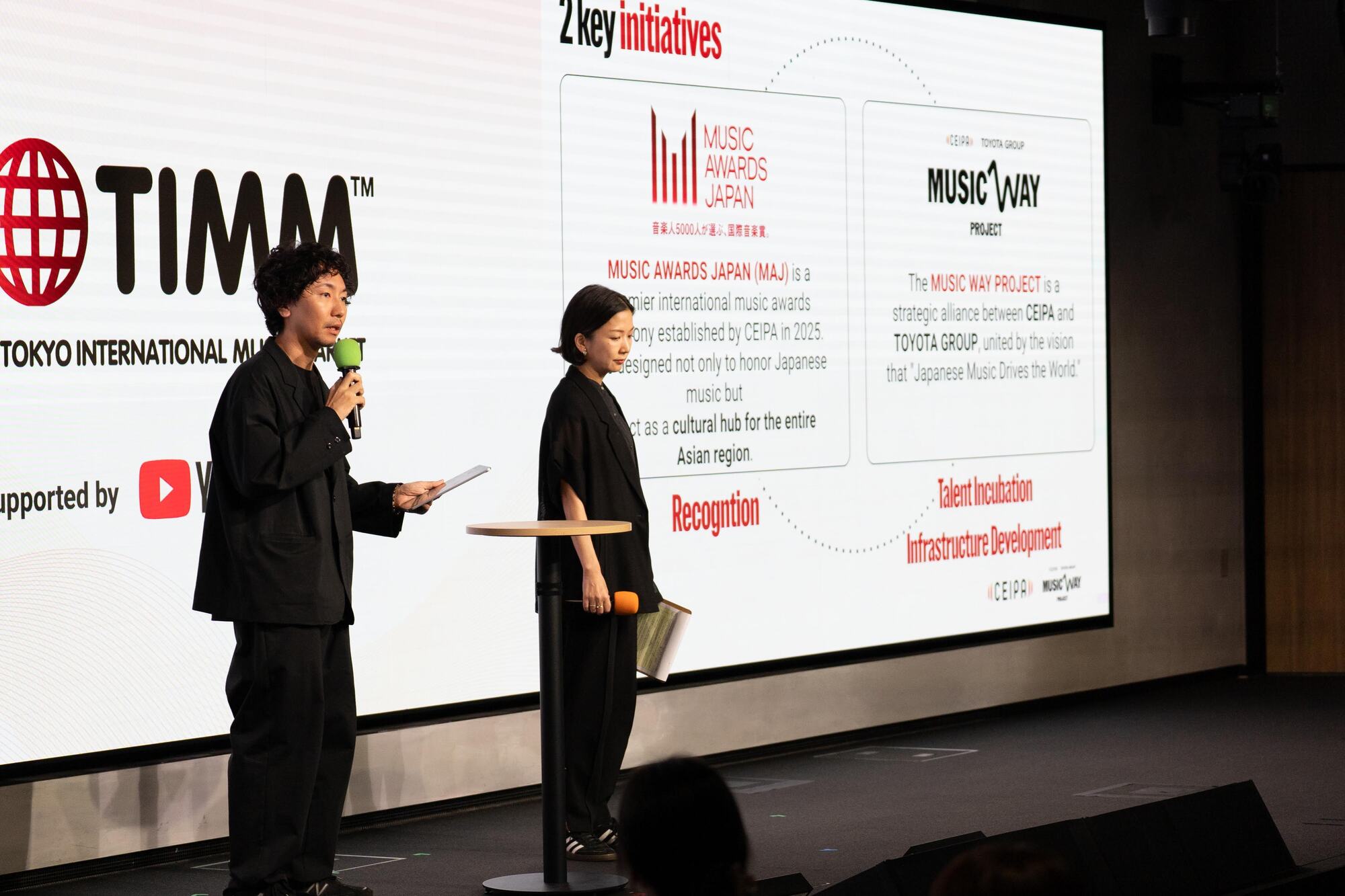
As part of the MUSIC WAY PROJECT, a collaborative initiative launched to support the global expansion and sustainable growth of Japanese music, the Professional Seminar series was introduced in 2025. Designed to facilitate knowledge sharing and networking opportunities for artists and music industry professionals pursuing international markets, the program will be held throughout the year in three formats: the lecture-based Flagship Series, the discussion-focused Community Workshop, and the more advanced, hands-on Intensive Workshop.
As the first installment of this year’s Flagship Series, the seminar was held during the week of MUSIC AWARDS JAPAN 2026 and was presented as part of the program for Tokyo International Music Market (TIMM). Titled the “India Edition,” the session featured expert insights into the current state of India’s music industry, as well as key considerations for Japanese artists looking to expand into the market.
The Current State of India’s Music Market and Opportunities for Japanese Content
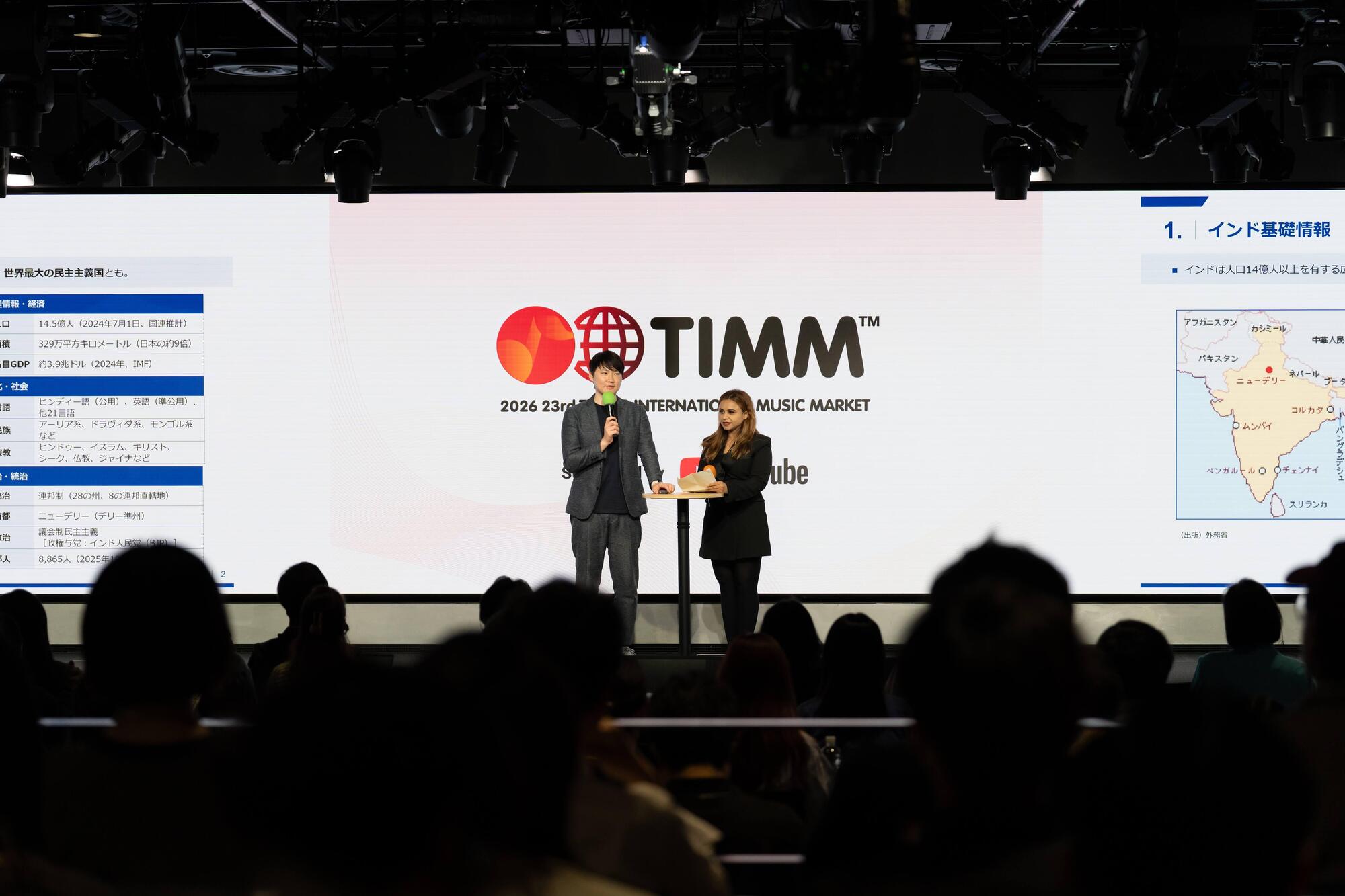
The seminar was divided into two sessions. The first, titled “Indian Music Market Overview,” featured presentations on the current landscape of India’s music industry by Hiroki Kawasaki and Jenica Kalra of Japan External Trade Organization (JETRO), Ramprasad Sundar of YouTube India and Drishti Bathija of Universal Music India.
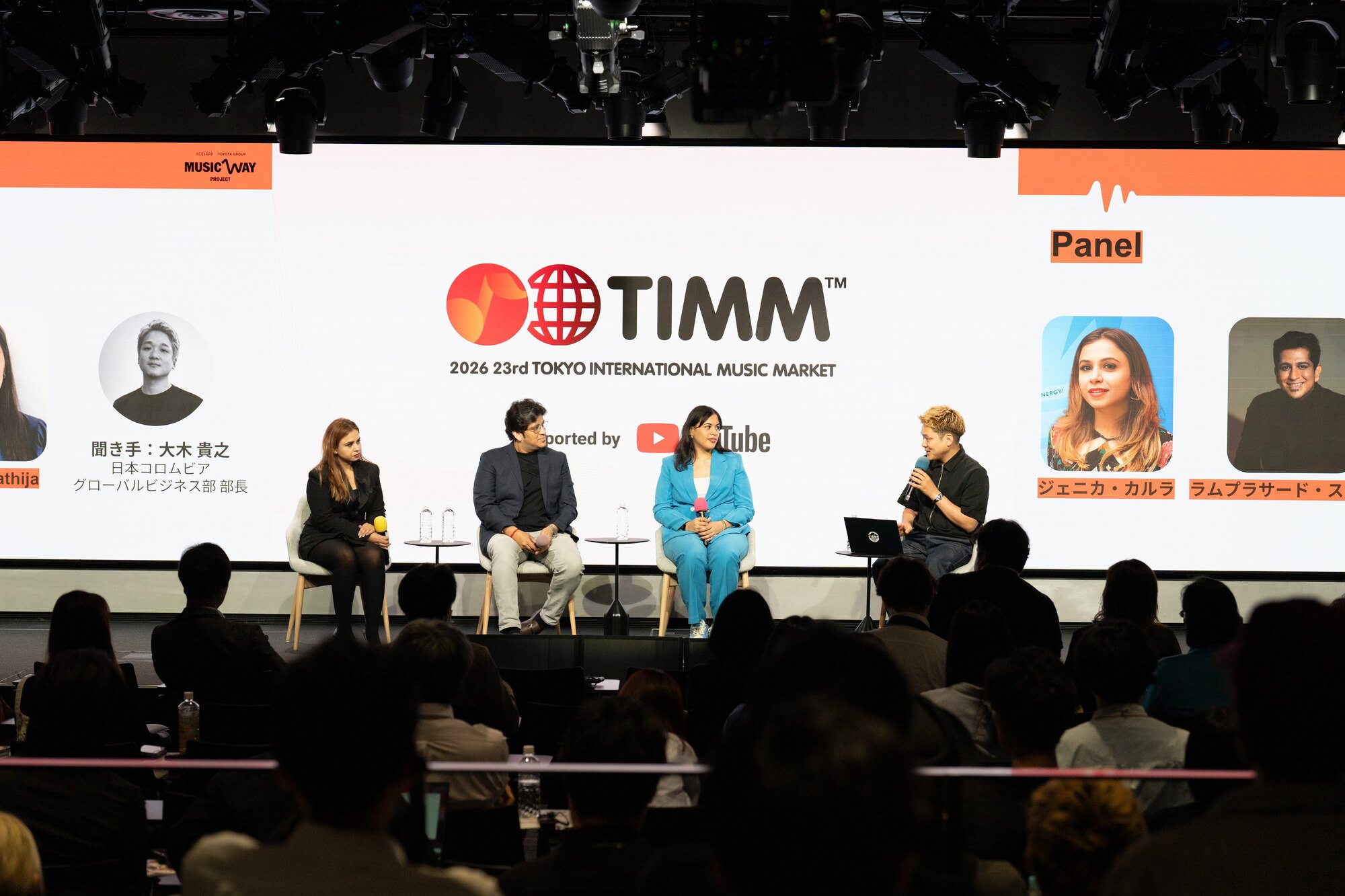
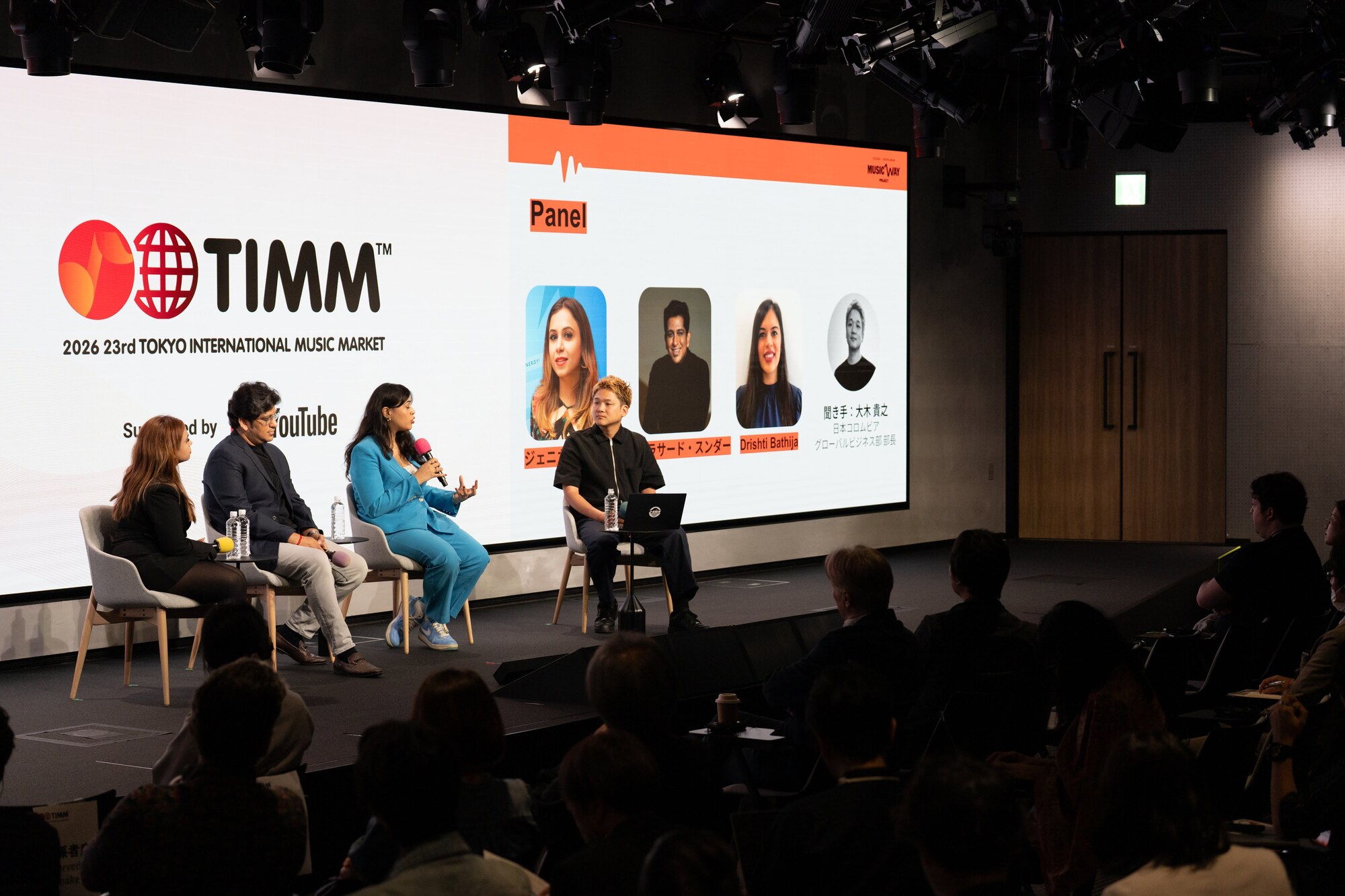
The second session, “Future of the Indian Market,” brought all four speakers together for a panel discussion exploring the vast potential of India’s music market and the opportunities it presents for international and Japanese content.
Opening the first session, Hiroki Kawasaki of JETRO described India as “a market defined by its overwhelmingly young population,” noting that the country’s median age is approximately 28. He explained that income growth per capita is comparable to that seen during Japan’s period of rapid economic expansion, while roughly 70 percent of Japanese companies operating in India report profitability, making it an increasingly attractive market. Looking ahead, Kawasaki suggested that Japanese companies should move beyond simply exporting content to India and instead pursue long-term value creation through collaboration with local partners.
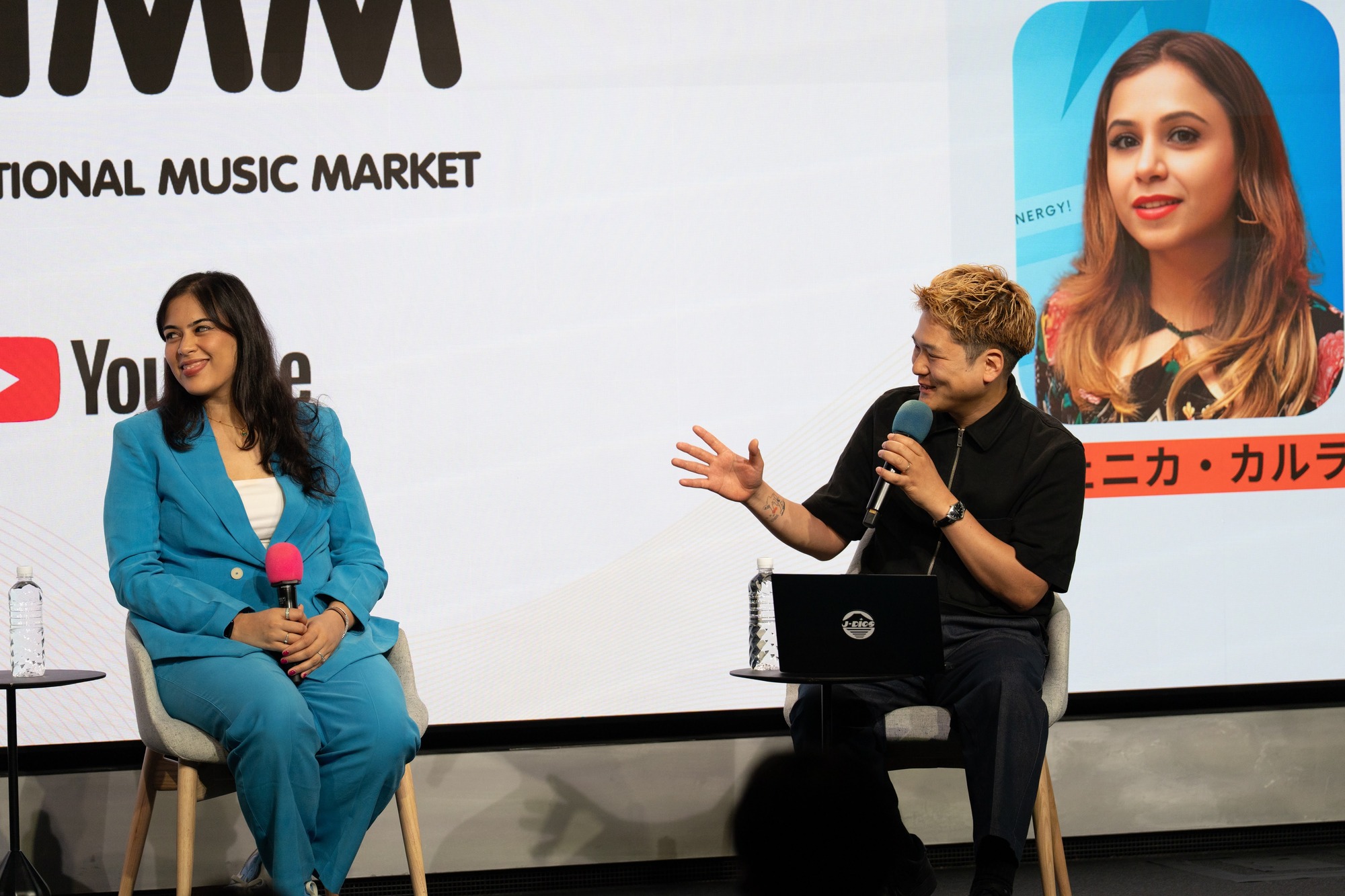
Turning to India’s cultural landscape, Jenica Kalra explained that film and cricket remain the country’s dominant forms of entertainment, while widespread access to affordable mobile internet has fostered a mobile-first consumer environment. In the music sector, modern genres such as hip-hop have gained momentum alongside traditional film music. Kalra also noted that the explosive popularity of Japanese anime since the pandemic has helped introduce Japanese music to new audiences across India. As a result, she argued, Japanese content is evolving from being merely recognized in the market to becoming genuinely embraced by Indian consumers.
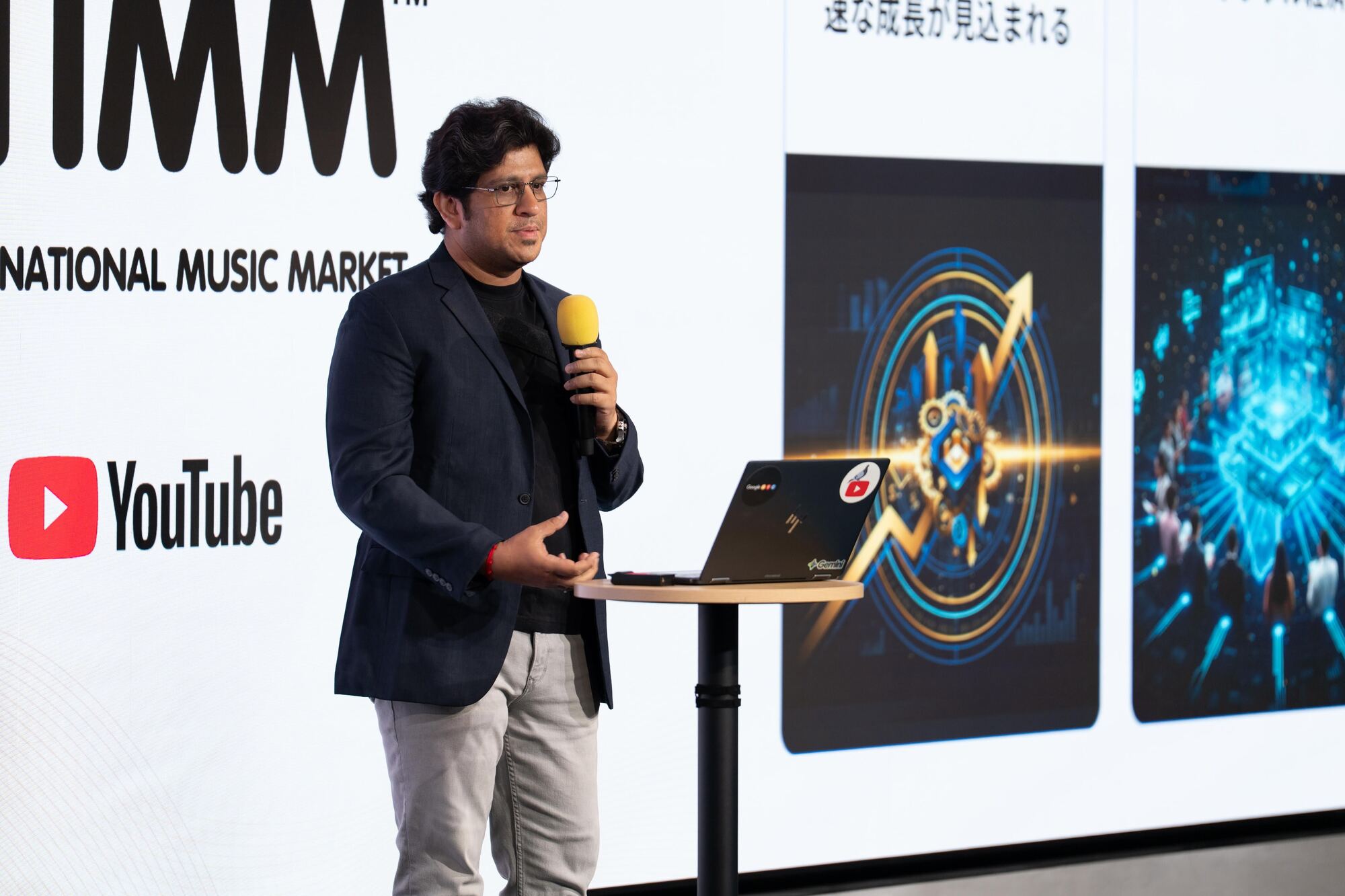
Next, Ramprasad Sundar of YouTube outlined his view that India is currently undergoing simultaneous economic, digital and telecommunications transformations, projecting that the country will become the world’s third-largest economy by 2030. He noted that some of the world’s lowest mobile data costs have created the foundation for the rapid adoption of video streaming and AI-driven technologies.
Sundar argued that understanding the Indian market requires understanding what he described as “ABCD” — an acronym for Astrology, Bollywood, Cricket and Devotion — which reflects the unique intersection of tradition and modern consumer culture in the country. As examples of emerging trends, he pointed to the rise of “Bhajan Clubbing,” a fusion of devotional music and dance music, as well as the rapid diversification of content consumption beyond Hindi into a growing number of regional languages. These developments, he suggested, are essential considerations for anyone seeking to engage with India’s evolving cultural and entertainment landscape.
Sundar also addressed the potential for Japanese music in India, citing the success of Fujii Kaze as a model case and emphasizing the importance of resonating with local spiritual and cultural values. He further argued that Japanese anime, watched by roughly 20 percent of children in India, has become an exceptionally powerful gateway for the growth of J-pop in the country.
He concluded by stressing that establishing a sustained presence is essential for success in the Indian market. Rather than relying on isolated promotional efforts, Sundar argued that long-term investment through local offices and strategic partnerships, combined with approaches tailored to the cultural context of individual regions, will be critical to building a lasting audience in India.
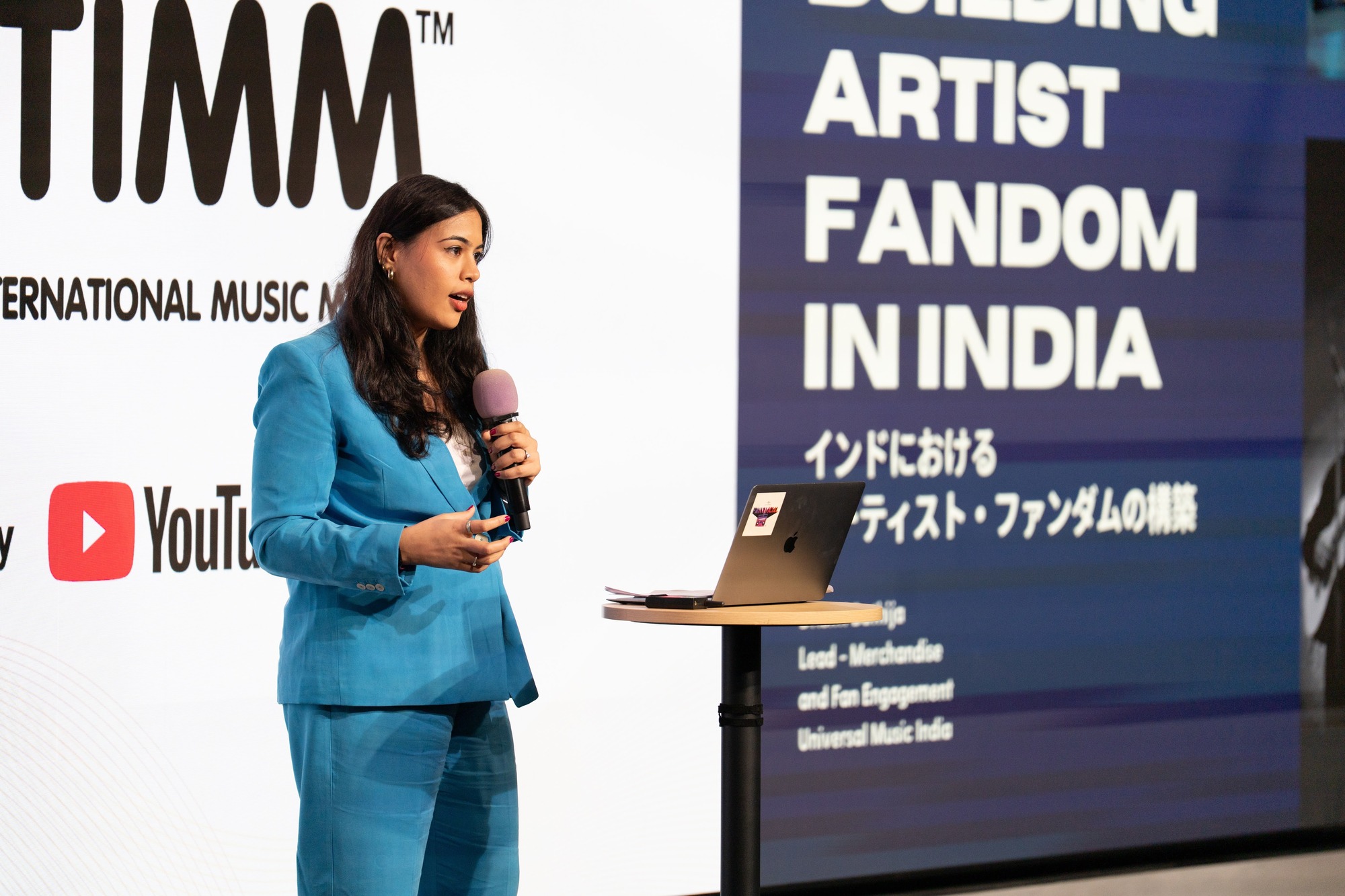
The final speaker of the first session was Drishti Bathija, Lead, Merchandise & Fan Engagement at Universal Music India. Bathija identified two key pillars of success in the Indian market: the development of owned content designed to deepen fan engagement and the expansion of official merchandise offerings. According to Bathija, succeeding in India’s culturally diverse landscape requires more than simply extending an overseas strategy. Localization must be built into a project from the outset. For Japanese artists entering the market, this means participating authentically in local culture and investing time in building trust with audiences. Examples include incorporating elements of Indian cultural heritage into visual content and using Hindi in merchandise and promotional materials.
Bathija also noted that interest in Japanese culture is currently at an all time high in India, driven largely by anime and food. Music, she argued, represents the next important layer that can build upon this strong foundation. While success in India cannot be achieved overnight and requires a long-term commitment, Bathija concluded that communities built in the market tend to be exceptionally loyal and enduring. Expressing optimism about deeper engagement from Japan in the years ahead, she brought the first session to a close.
Navigating India’s Complex and Expansive Market: Practical Strategies and a long-term Perspective
The panel discussion in Session 2 opened with a question: how should artists and companies approach India, a market so vast and diverse that it is often described as a continent rather than a country? Ramprasad Sundar emphasized the importance of simply getting started. Rather than aiming for immediate large-scale success, he suggested that building a presence through smaller collaborations can create the foundation for a sustainable fan base over time. Drishti Bathija, meanwhile, stressed the importance of marketing. “The most important thing is to win over five passionate fans,” she said, explaining that support can then grow organically through word of mouth and community engagement.
The speakers also offered practical advice on navigating India’s unique digital landscape. Sundar noted that TikTok remains unavailable in India and argued that artists should adopt a platform agnostic approach, focusing on authentic engagement with fans rather than relying too heavily on any single service. Jenica Kalra, meanwhile, highlighted the growing importance of regional cities, where smartphone adoption continues to expand rapidly. While pointing to the effectiveness of anime driven pop culture events as an entry point for engagement, she also urged participants to exercise particular care when addressing religion and politics, two highly sensitive areas in India. Misrepresenting religious figures or relying on outdated stereotypes related to poverty and other social issues should be avoided, she said, stressing the importance of approaching contemporary India with respect for its diversity and complexity.
Asked how J-pop can gain traction in a market where Bollywood music continues to dominate, the speakers repeatedly returned to two key themes: storytelling and collaboration. Drishti Bathija argued that if J-pop is to establish itself as a distinct musical category in India, artists should incorporate universal storytelling into both their songs and music videos. She also suggested that involving Indian producers and songwriters in the creative process could be an effective way to overcome cultural barriers and connect with local audiences. Sundar reinforced this point by sharing examples of K-pop artists who rapidly expanded their fan bases in India after covering Indian songs, demonstrating the value of meaningful cultural exchange.
The discussion also turned to the live music business. Sundar emphasized the importance of building momentum in major cities before amplifying that energy through digital content, creating a continuous cycle of audience growth and engagement. Bathija added that artists should not wait for invitations to major festivals. Instead, she encouraged a grassroots approach, performing at smaller clubs and cafes to steadily build a local following that can eventually lead to larger opportunities.
From a merchandising perspective, Bathija also highlighted the importance of establishing reliable channels for official products in order to compete with counterfeit goods. Kalra, meanwhile, pointed to India’s highly developed digital payment ecosystem and suggested that local manufacturing could be an effective solution for avoiding price increases caused by import duties while making merchandise more accessible to consumers.
In closing, the speakers agreed that India should not be viewed merely as a consumer market, but as a vibrant hub where a vast community of creators and highly engaged fans coexist. They emphasized that the most effective way for Japanese artists to understand and succeed in the market is to experience it firsthand. By spending time on the ground and engaging directly with local audiences, artists can gain a deeper understanding of the energy, creativity, and cultural nuances that define India’s music ecosystem.
The discussion concluded with a shared message: meaningful engagement with India requires patience, curiosity, and long-term commitment, but for those willing to invest the time, the opportunities are substantial.
Texy by Kyu Nakanishi
All Photo credit: (c) TIMM2026