
THE SUCCESSOR - MAJ HIP HOP TRIBUTE Spins Through 40 Years of Japanese Hip-Hop in One Night: Event report Produced by Kan Takagi, Zeebra, and YZERR
On June 8, Zepp DiverCity, a major music venue in Tokyo, became the meeting point for the past, present and future of Japanese hip-hop with "THE SUCCESSOR - MAJ HIP HOP TRIBUTE," a special live event produced by pioneering artists Kan Takagi, Zeebra and YZERR. Held as an official associated event of MUSIC AWARDS JAPAN 2026, Japan's largest international music awards, the night celebrated the remarkable growth of hip-hop culture across the country.
Built around the theme of passing the torch to "the successor," the event traced the journey of hip-hop in Japan from its arrival in 1983 to its rise as a mainstream cultural force. Artists, pioneers and influential figures from multiple generations came together as performers and presenters, taking audiences through more than 40 years of Japanese hip-hop history in a single evening.
"This Is Japanese Hip-Hop"
T-Pablow, one of the leading figures in contemporary Japanese hip-hop, opened the night with a powerful performance of "Dassai," immediately showcasing his lyrical skill and commanding stage presence.
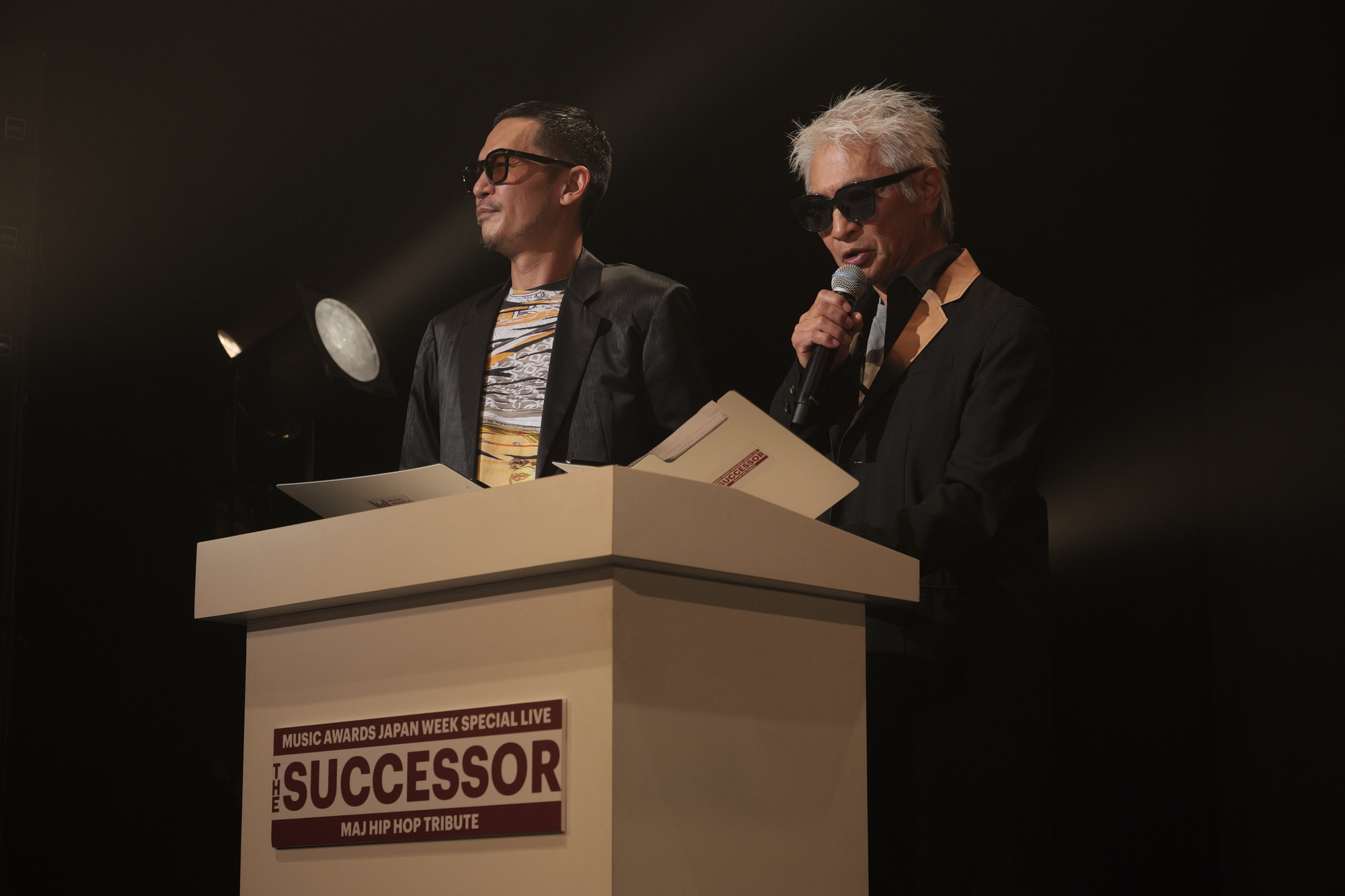
Host MC RYU then welcomed Zeebra and Kan Takagi to the stage to introduce Wild Style, the groundbreaking 1983 documentary widely credited with introducing the four pillars of hip-hop culture — MCing, breakdancing, graffiti, and DJing—to Japan. Before its domestic release, members of the film's cast visited Japan for a large-scale promotional tour, marking the first time New York's underground hip-hop culture was presented to Japanese audiences in such a comprehensive way. Japan also became the first country to introduce all four elements of hip-hop together as a single cultural movement.
The audience was then treated to rare archival footage, including a historic performance by the Cold Crush Brothers at the legendary club Pithecanthropus Erectus, offering a glimpse into the earliest days of hip-hop in Japan.
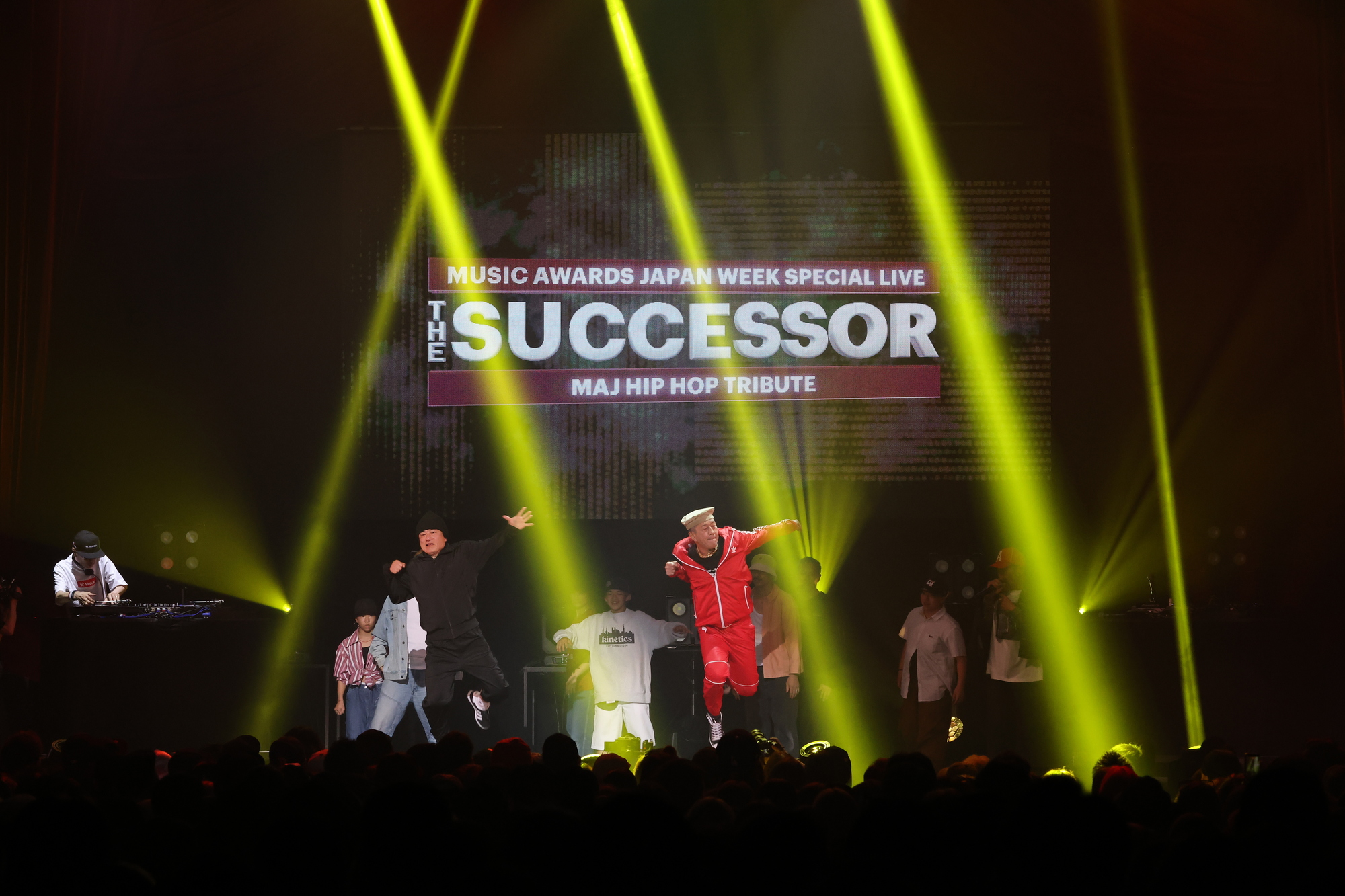
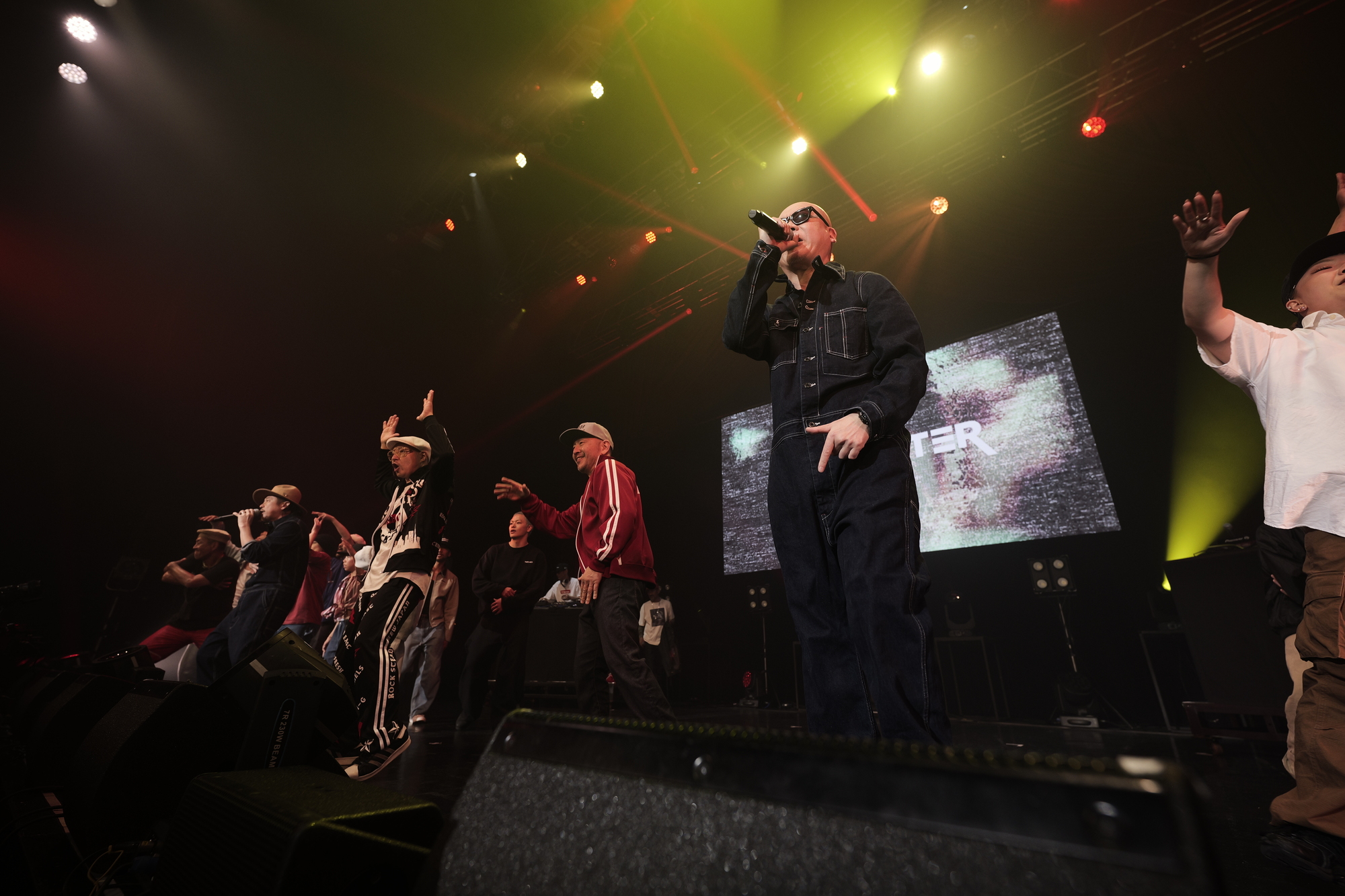
The event continued with the BBOY SHOWCASE, featuring Japanese breakdancing pioneer CRAZY-A and fellow dancers. RHYMESTER later joined the performance for "B-BOYイズム (B-BOY Izm)," closing the segment with Utamaru proudly declaring:
"How do you like that? This is Japanese hip-hop."
Japanese Hip-Hop in the 1980s and 1990s
The next segment looked back at how hip-hop first took root in Japan during the 1980s.
In an interview with KEN THE 390, writer, rapper, and one of Japan's early hip-hop pioneers Seiko Ito reflected on his first encounter with the genre:
"I thought it was modern street music. People took parts of someone else's records without vocals and proudly laid their own lyrics over them."
Following performances by OZworld and MC TYSON, presenters Cypress Ueno and ZEN-LA-ROCK shared their memories of discovering Japanese hip-hop as teenagers during the 1990s.
The audience also watched rare behind-the-scenes footage from the recording session of "Shogen feat. RINO, YOU THE ROCK, GK.MARYAN, Zeebra, TWIGY, GAMA, DEV-LARGE," offering a glimpse into one of the genre's defining collaborations.
Next, MC-HULK, a pioneer of Japan's West Coast-style hip-hop scene, appeared alongside GDX aka SHU, an expert on Los Angeles gang culture, and Hasegawa of the comedy duo Shisonnu.
Reflecting on the evolution of the scene, SHU said:
"Before I went to America, hip-hop was still a very small culture. But when I came back, 'Sanpin CAMP' (1996) had completely changed the scene. More importantly, it showed everyone how cool it could be to rap in Japanese."
The spotlight then shifted to KING GHIDORAH, who performed a medley of "Mikakunin Hikō Buttai," "Unstoppable" and "Heisei Ishin feat. UZI."
Zeebra followed with an a cappella delivery of his iconic line, "Tokyo umare hip-hop sodachi" ("Born in Tokyo, raised by hip-hop"), before welcoming the next generation to the stage. Tokyo Young Vision, joined by DJ CHARI and DJ TATSUKI, performed "Endless."
Nominated for Best DJ at MUSIC AWARDS JAPAN 2026, DJ TATSUKI also shared his hopes for the future of the profession:
"I hope DJing can become a profession that inspires people to dream."
Beatboxing, Graffiti, and the Women Who Navigated Japan's Male-Dominated Hip-Hop Scene
The event also highlighted human beatboxing as an essential expression of hip-hop's DIY spirit.
The event also highlighted human beatboxing, a key part of hip-hop's DIY spirit. AFRA and beatbox crew NOVEL VINTAGE performed a medley celebrating the history of Japanese hip-hop through beatboxing.
The spotlight then turned to graffiti, where writer Yuta Man introduced the words of legendary graffiti artist Lee Quiñones, whose iconic lettering appeared in Wild Style. As he read a powerful statement beginning with "Graffiti doesn't follow rules," the audience responded with enthusiastic applause. TOMI-E also joined the segment to discuss the creative possibilities and cultural significance of graffiti.
The program also explored hip-hop's long history as a male-dominated culture. Looking back on their careers, DJ KAORI and COMA-CHI reflected on the challenges they faced as women in the scene.
DJ KAORI recalled:
"In that male-centered competitive world, there were many moments when I felt like giving up."
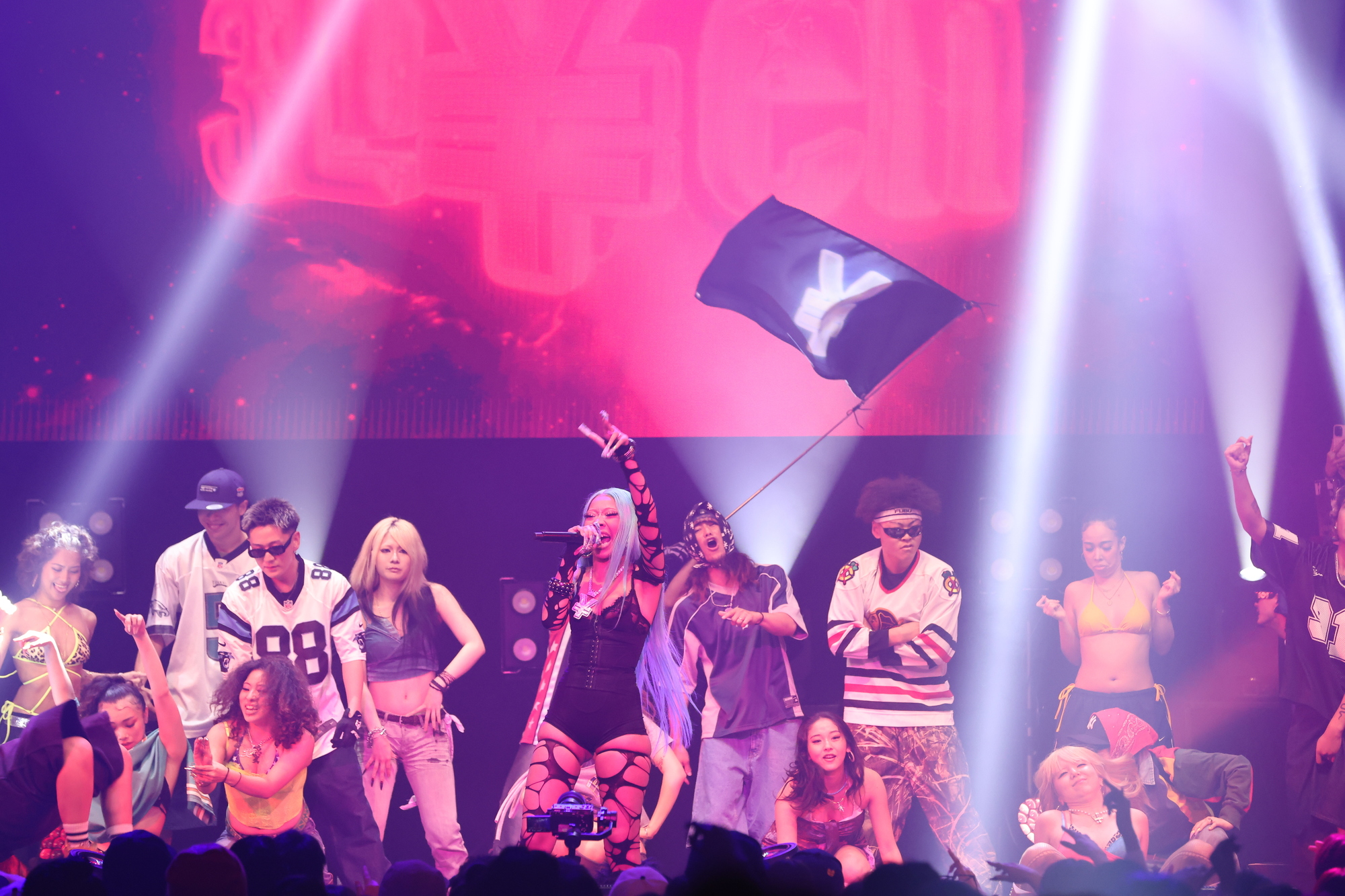
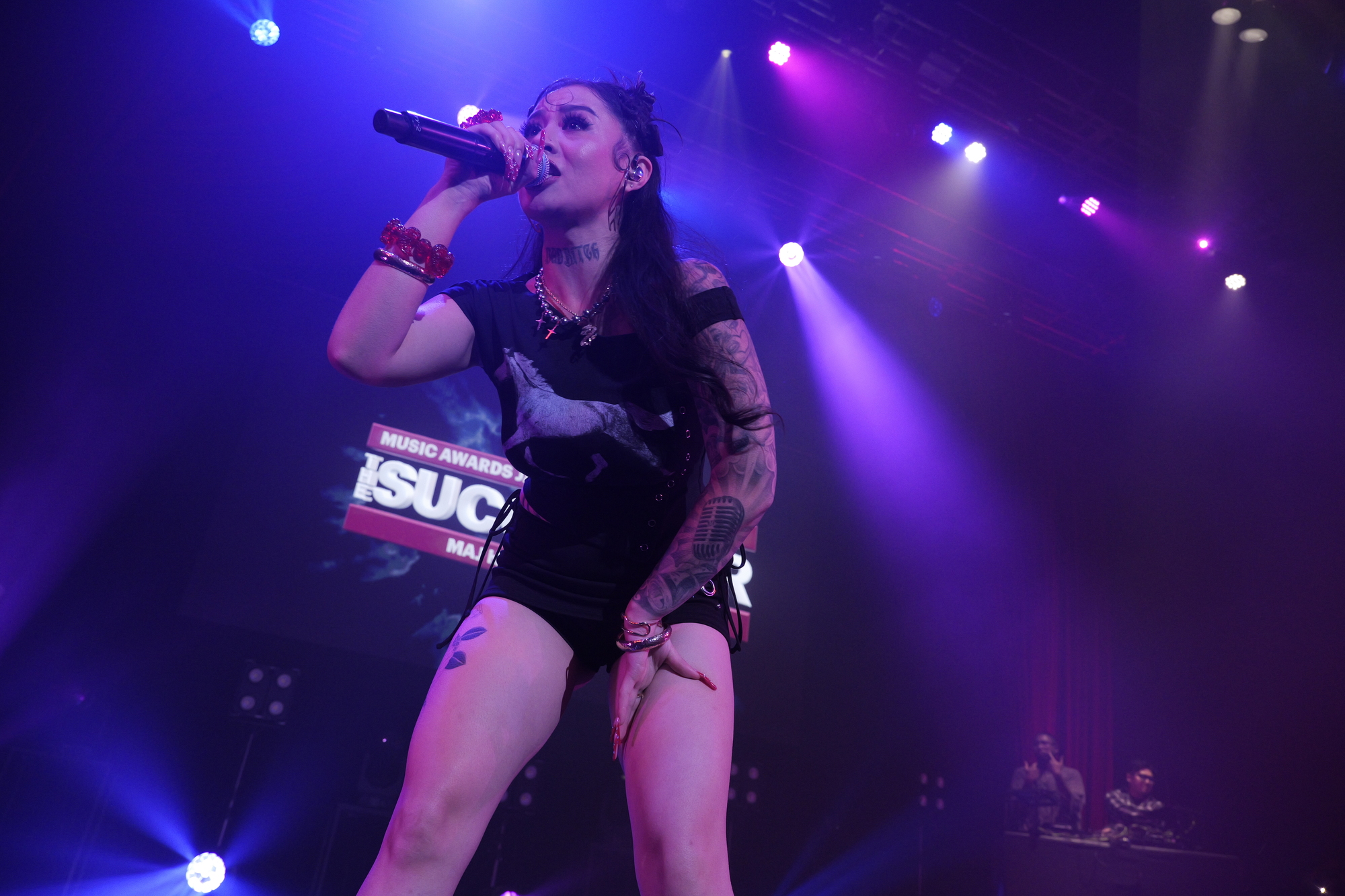
Representing a new generation of female artists, 3Li¥en took the stage with her dance crew for a high-energy performance, while MaRI impressed the audience with her confident and powerful rap.
Dance Culture, DJ Evolution, and the Next Generation
Reflecting on the rise of hip-hop in Japan, Zeebra, who frequented discos and clubs in Roppongi, Shibuya, and other Tokyo nightlife districts since the 1980s, said:
"I think dance is what first made hip-hop popular in Japan. Dancers were always one step ahead of us."
He then introduced the NEW DANCE SHOWCASE, spotlighting the dance movement that emerged after breakdancing and eventually gave rise to ZOO, the precursor to the group EXILE. Representing that legacy, ROOTS OF EXILE TRIBE delivered a dynamic performance, showcasing the power, precision, and versatility of the style.
The next presenters, DJ HAZIME and DJ Watarai, shared how they had both been inspired by the television program CLUB DADA, which also played a key role in launching ZOO. They also reflected on the challenges of starting their careers during Japan's economic downturn, when a lack of venues often meant renting live houses themselves in order to perform.
Representing today's generation, Watson took the stage with "Intro 'Soul Quake,'" featuring the striking lyric:
"Now I'm a rapper / I quit the sex industry, dealing, construction work, bartending."
He was followed by Nagoya-born rapper ¥ellow Bucks, who performed "Big Shit Trouble" and "Yessir," bringing the segment to a powerful close.
"Japanese Hip-Hop Will Continue to Grow"
Introduced by the legendary DJ YUTAKA, the evening's DJ SHOWCASE brought together four of Japan's leading turntablists: DJ Ta-Shi, DJ Kentaro, DJ IZOH and DJ Rena, showcasing the artistry and technical skill that have shaped the country's DJ culture.
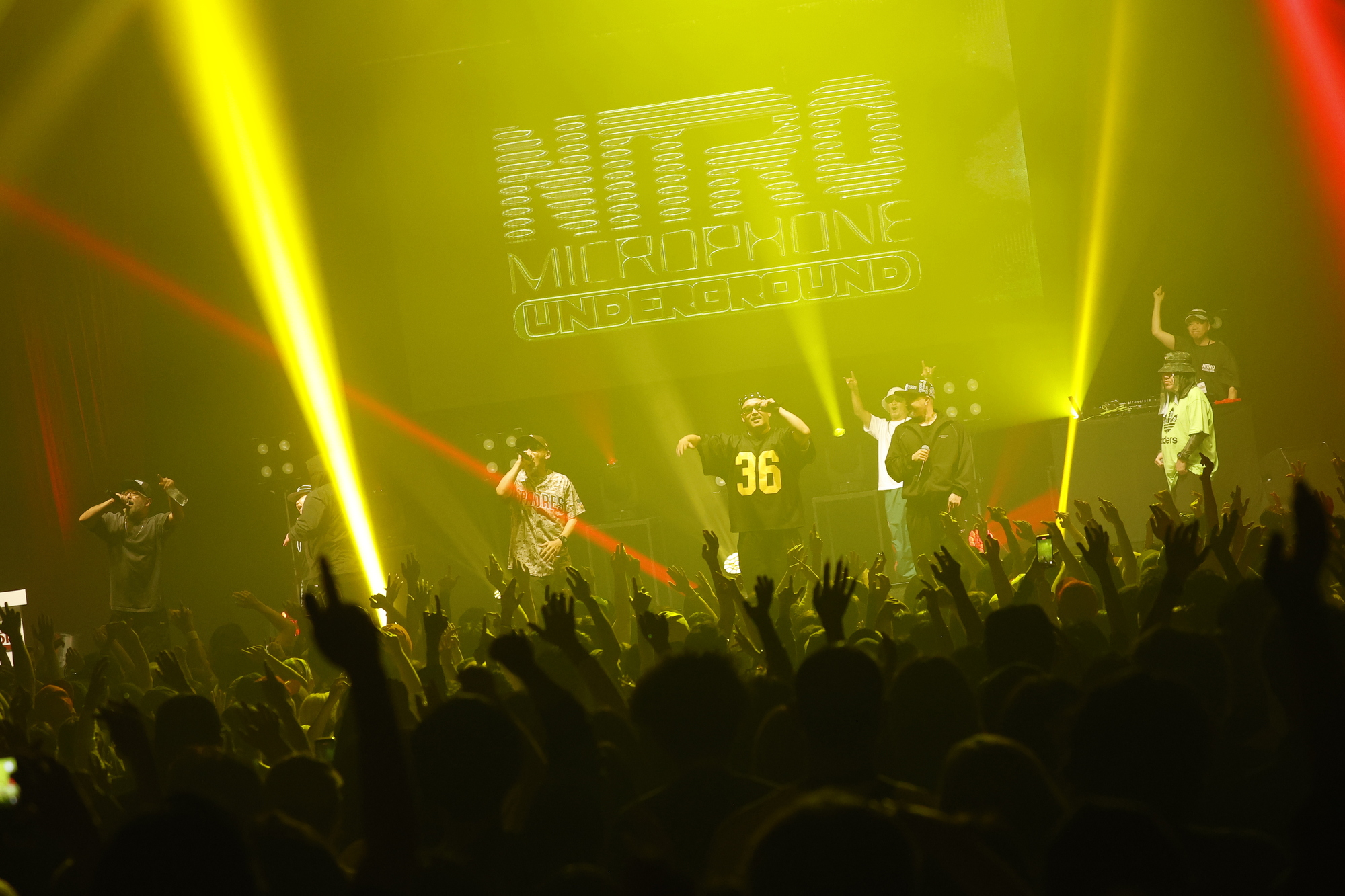
After Haruo Chikada encouraged the audience to "make even more noise," NITRO MICROPHONE UNDERGROUND took the stage for a hard-hitting live performance.
The event closed with STUTS and PUNPEE, two artists who have helped bring MPC-based beat-making into the mainstream of Japanese hip-hop. Together, they performed their signature track "Yoru wo Tsukaihatashite."
Before the curtain fell, Zeebra and Kan Takagi shared a final message with the audience:
"Japanese hip-hop will continue to grow thanks to the younger generation you saw on stage today. At the same time, those of us from the first through third generations want to keep creating hip-hop that reflects our own maturity. We hope everyone continues to enjoy every form of hip-hop."
The event came to a close after celebrating more than four decades of Japanese hip-hop history, honoring the artists who helped shape the culture while looking ahead to its next generation.
Text by Keita Miyazaki Photo by Asaka Aoki(PROGRESS-M), MIrai Yamashita(PROGRESS-M)