Building a Global Music Ecosystem: CEIPA’s Initiative to Foster an International Music Ecosystem through Talent Development and Opportunity Creation | CUEW Event Report
On April 10, a talk session titled “Building a Global Music Ecosystem: CEIPA’s Vision for Creating an International Music Ecosystem — ‘Developing People, Creating Opportunities’ (Presented by CEIPA)” was held at Shibuya PARCO DG Building in Tokyo as part of the CUEW Showcase & Conference.
The session introduced the framework of CEIPA and MUSIC WAY PROJECT, while also featuring a discussion about the prospects for realizing a global music ecosystem from the perspectives of talent development and platform creation. The session attracted strong interest and was positively received by many participants.
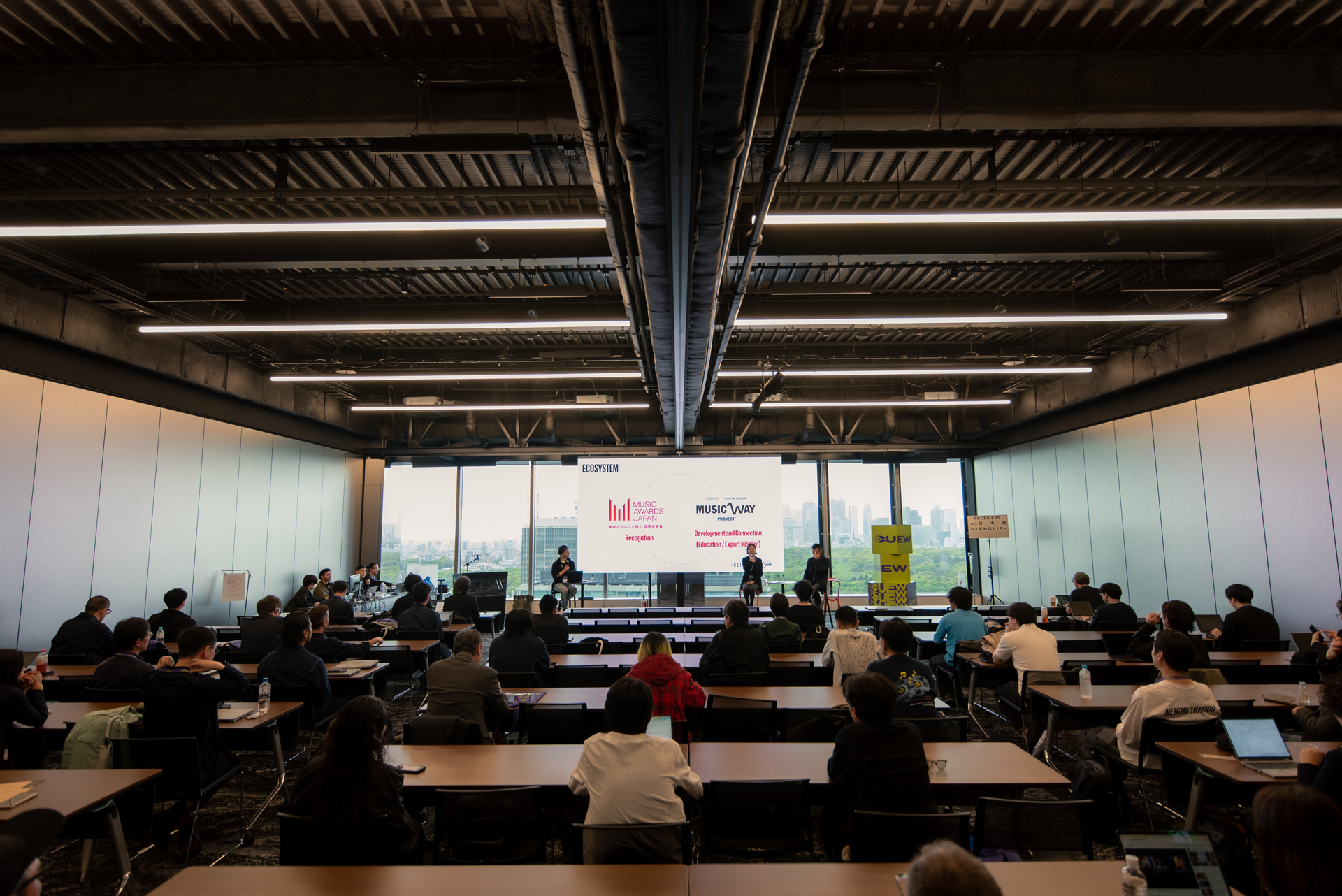
The session opened with remarks from Taro Kumabe (Executive Director, Music Awards Japan Executive Committee, CEIPA), who introduced CEIPA’s mission to expand Japanese music and culture globally, as well as the MUSIC WAY PROJECT, a co-creation initiative with the TOYOTA GROUP.
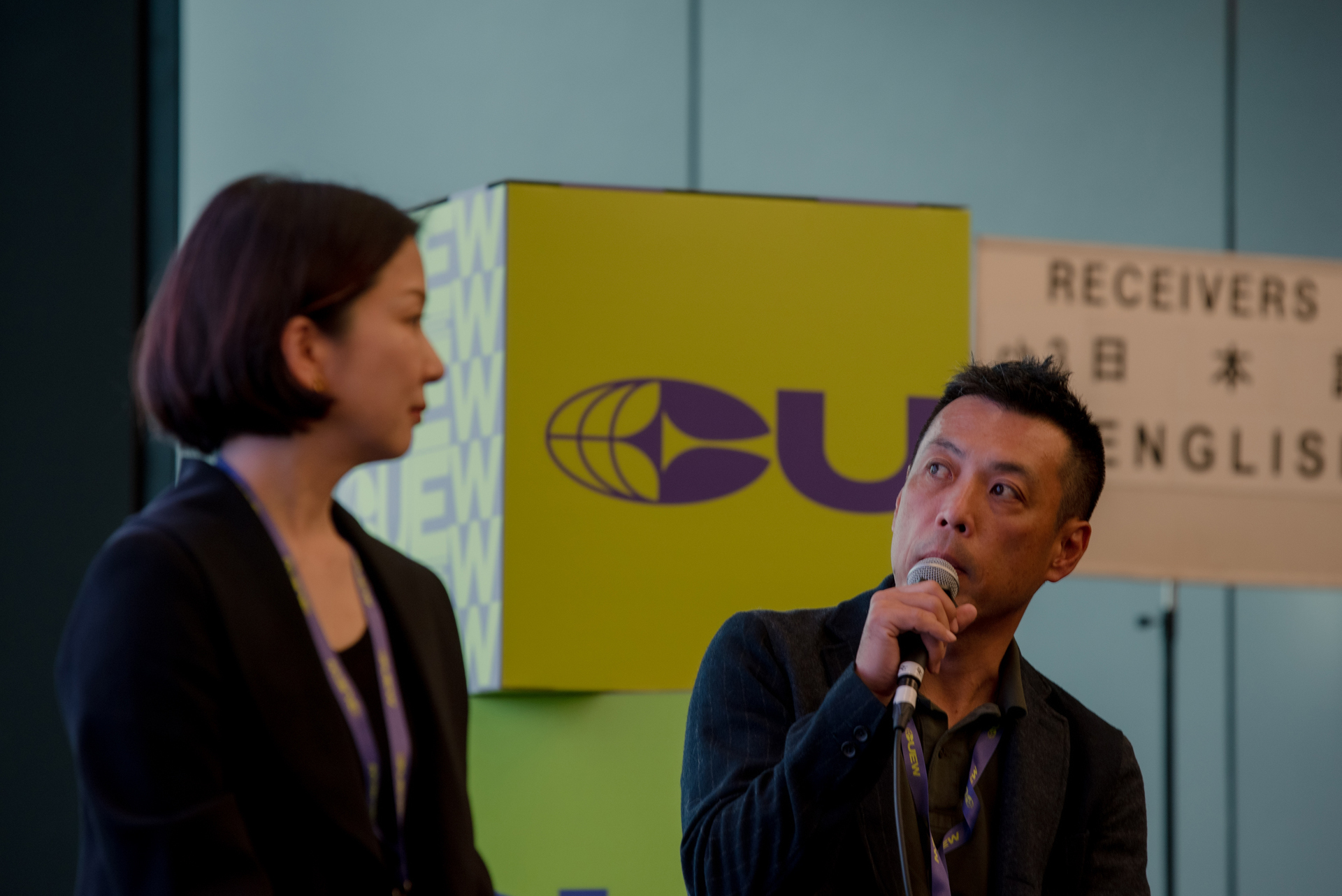
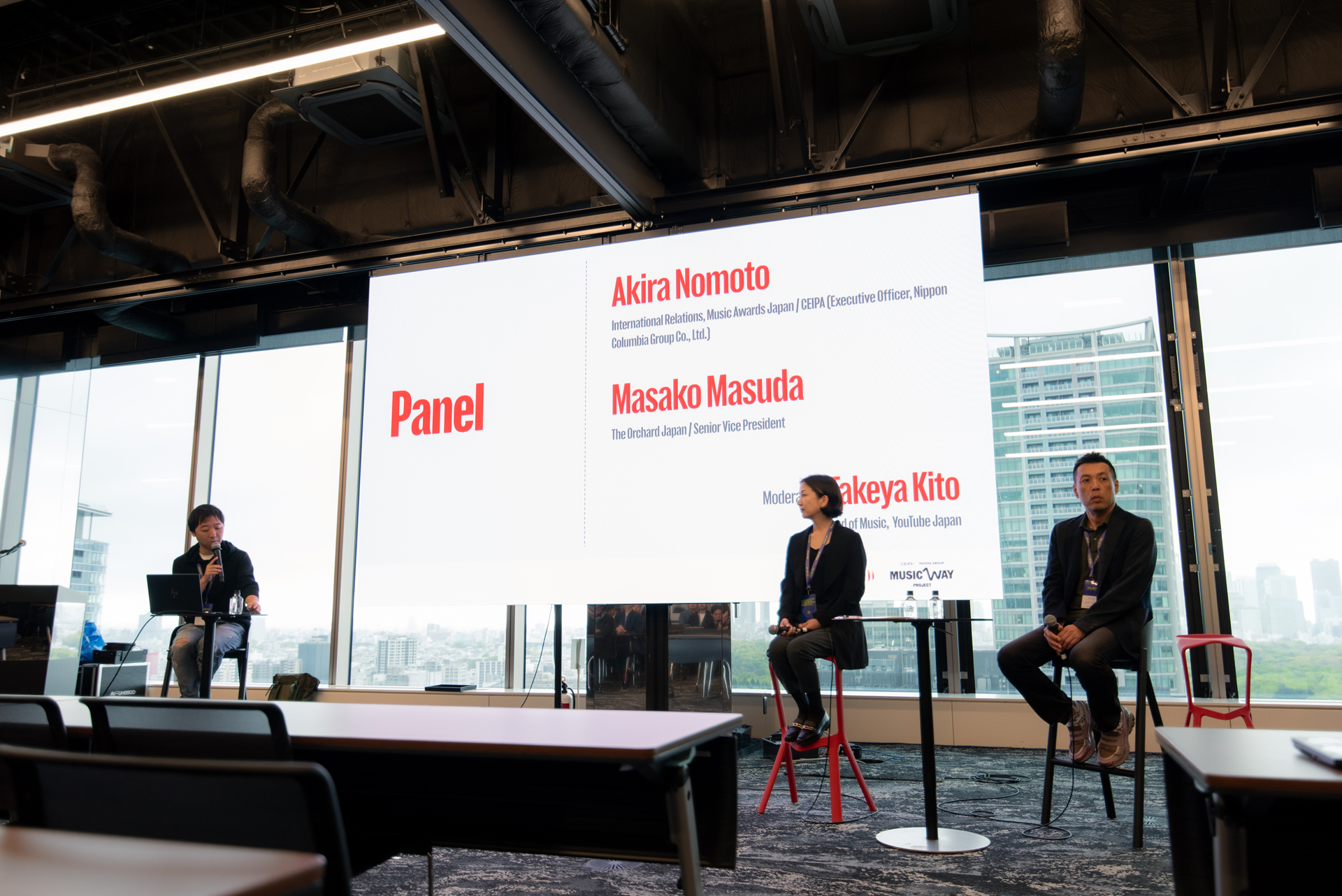
The session then moved into a discussion moderated by Takeya Kito (Head of Music Japan, Google YouTube), featuring Masako Masuda (Senior Vice President, The Orchard Japan) and Akira Nomoto (Executive Officer, Nippon Columbia Group Co., Ltd.), who lead the “Developing People” and “Creating Opportunities” initiatives within the MUSIC WAY PROJECT. Centered around these two themes, the speakers shared insights through a talk session.
Masako Masuda first introduced the Professional Seminar, launched last year as part of the “Developing People” initiative. The program has been held five times, each focusing on a different region, including Korea, Thailand, Indonesia, Greater China, Europe and North America, inviting guest speakers active in each region’s music industry. Regarding the initiative, Masuda explained that its core objective is “to build more connections.”
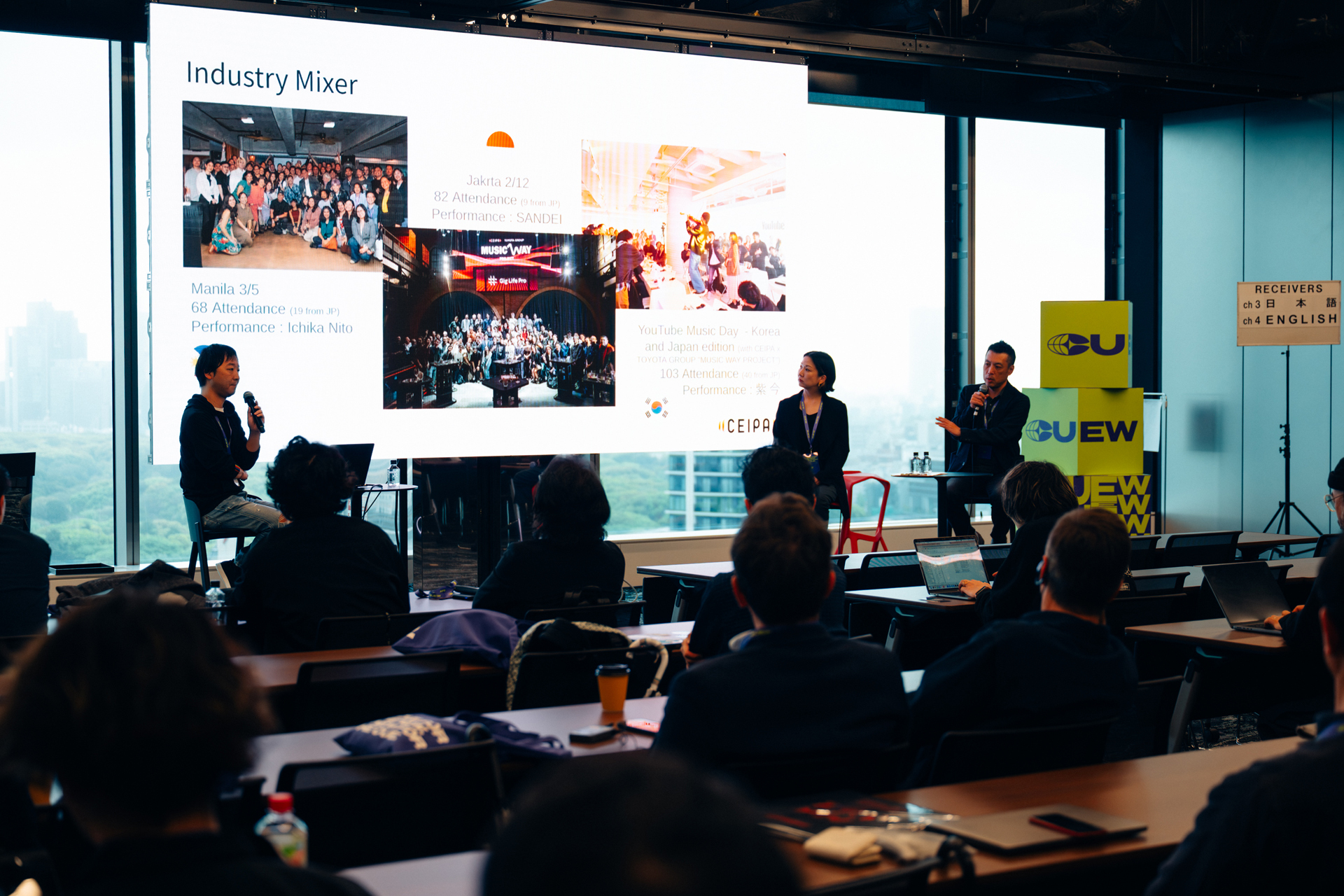
Meanwhile, Akira Nomoto introduced initiatives under “Creating Opportunities,” including matsuri ’25, held in North America last year and featuring performances by Ado, ATARASHII GAKKO! and YOASOBI as well as the music conference ennichi ’25 and networking events for industry professionals.
He explained that by holding these alongside showcase live performances, the aim is to create opportunities for local music industry professionals to experience Japanese artists’ performances firsthand. Nomoto emphasized that building these relationships cannot be achieved in the short term, but rather emerges through sustained efforts over two or three years, describing it as “a mission of seeing how many friends we can make.”
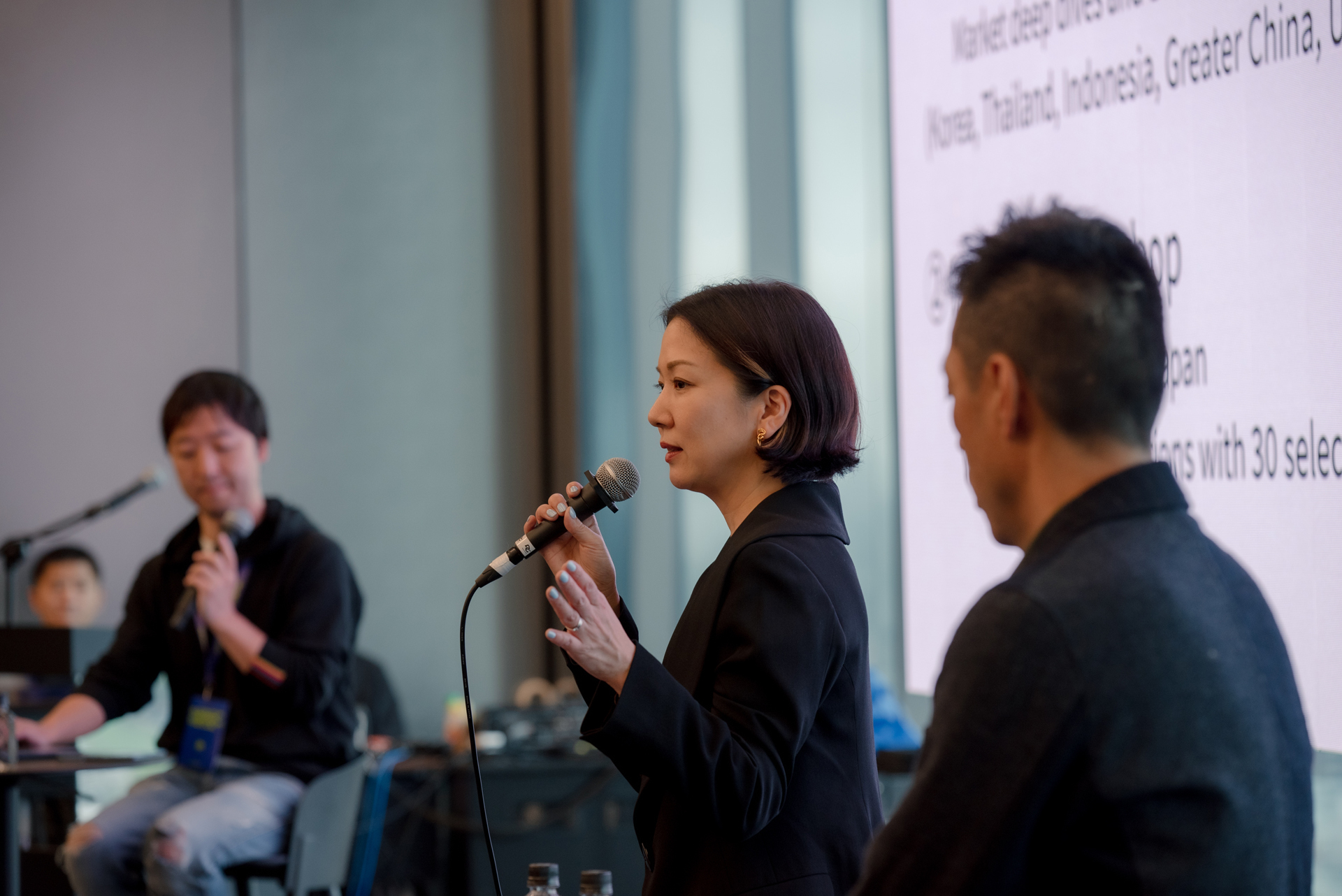
When asked what has historically been lacking in Japan’s music industry, Masako Masuda referred to her experience working on YOASOBI’s international expansion. She noted that it took three to four years to identify the right local partners and build those relationships, reflecting that international expansion could have been carried out more efficiently if information-sharing across the industry had been more advanced. She added that this education program can serve as a platform to help address such challenges.
From the perspective of “Creating Opportunities,” Akira Nomoto emphasized the importance of understanding that overseas markets are not “difficult,” but rather “different.” With cultures and music varying from country to country, he explained that learning to understand those differences expands possibilities, underscoring the importance of continuing these efforts over time.
Looking ahead, he also expressed interest in expanding initiatives into China, despite its political complexities, as well as into the United States, which he described as the ultimate goal.
At the close of the session, Taro Kumabe stated that Japan is no longer a closed market and expressed CEIPA’s commitment to building open, trust-based relationships with the world.