Special Talk Session Between Sasuke Haraguchi and Furui Riho — Event Report from “MUSIC AWARDS JAPAN 2026” × “Niconico Chokaigi 2026”
On April 25 and 26, a special collaboration between “MUSIC AWARDS JAPAN 2026,” Japan’s largest international music awards event, and “Niconico Chokaigi 2026”, a large-scale gathering celebrating Japanese internet culture, took place at Makuhari Messe in Chiba.
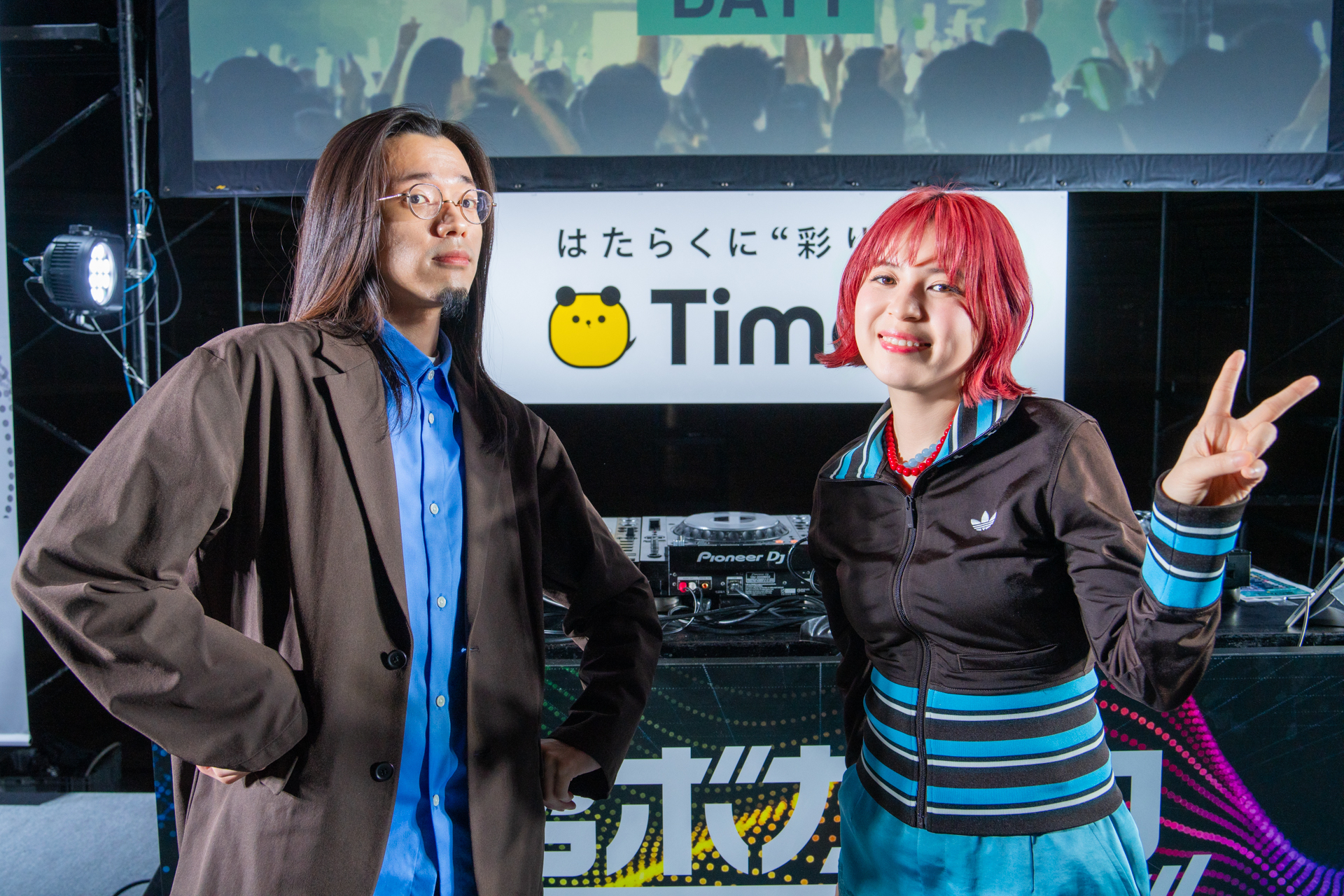
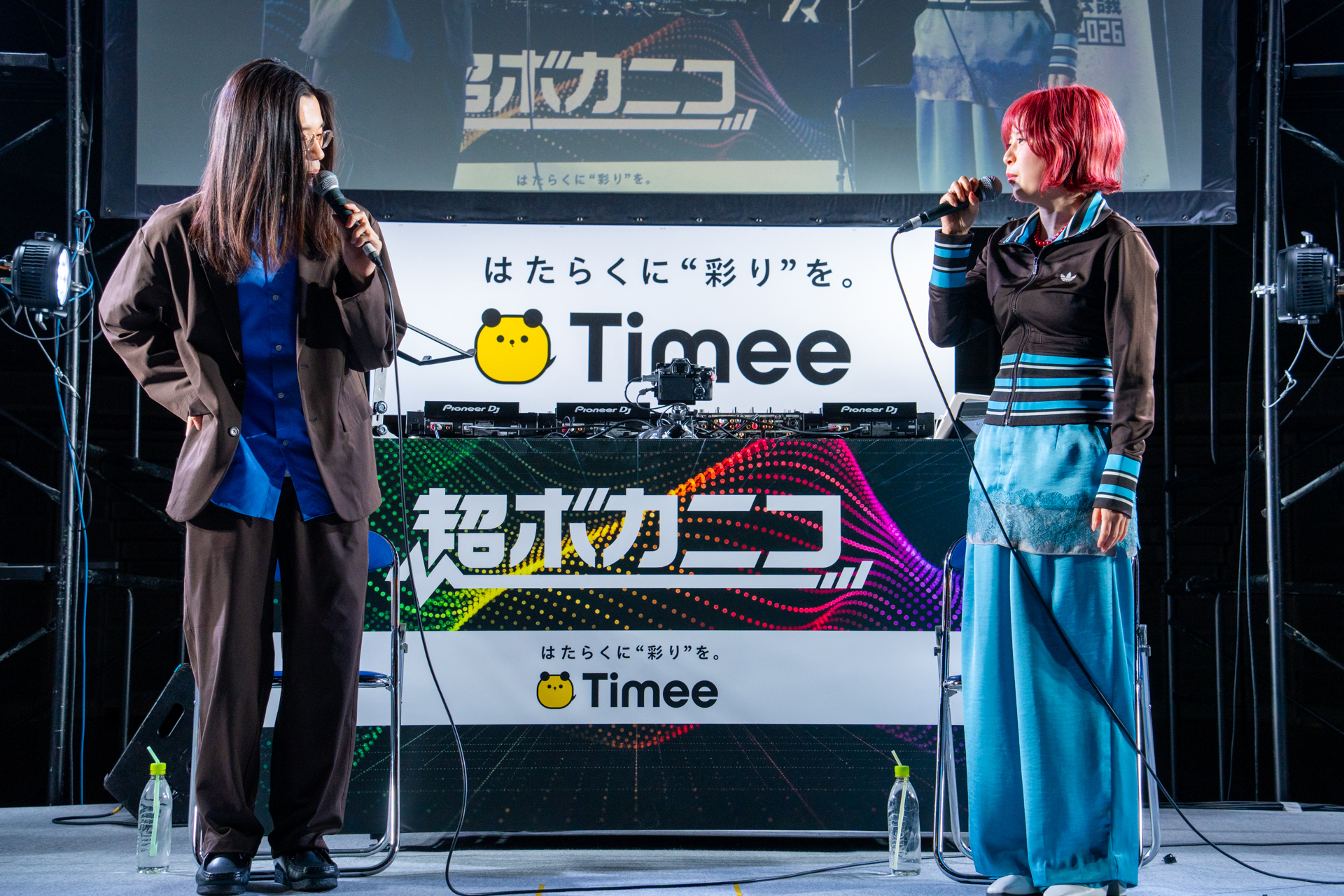
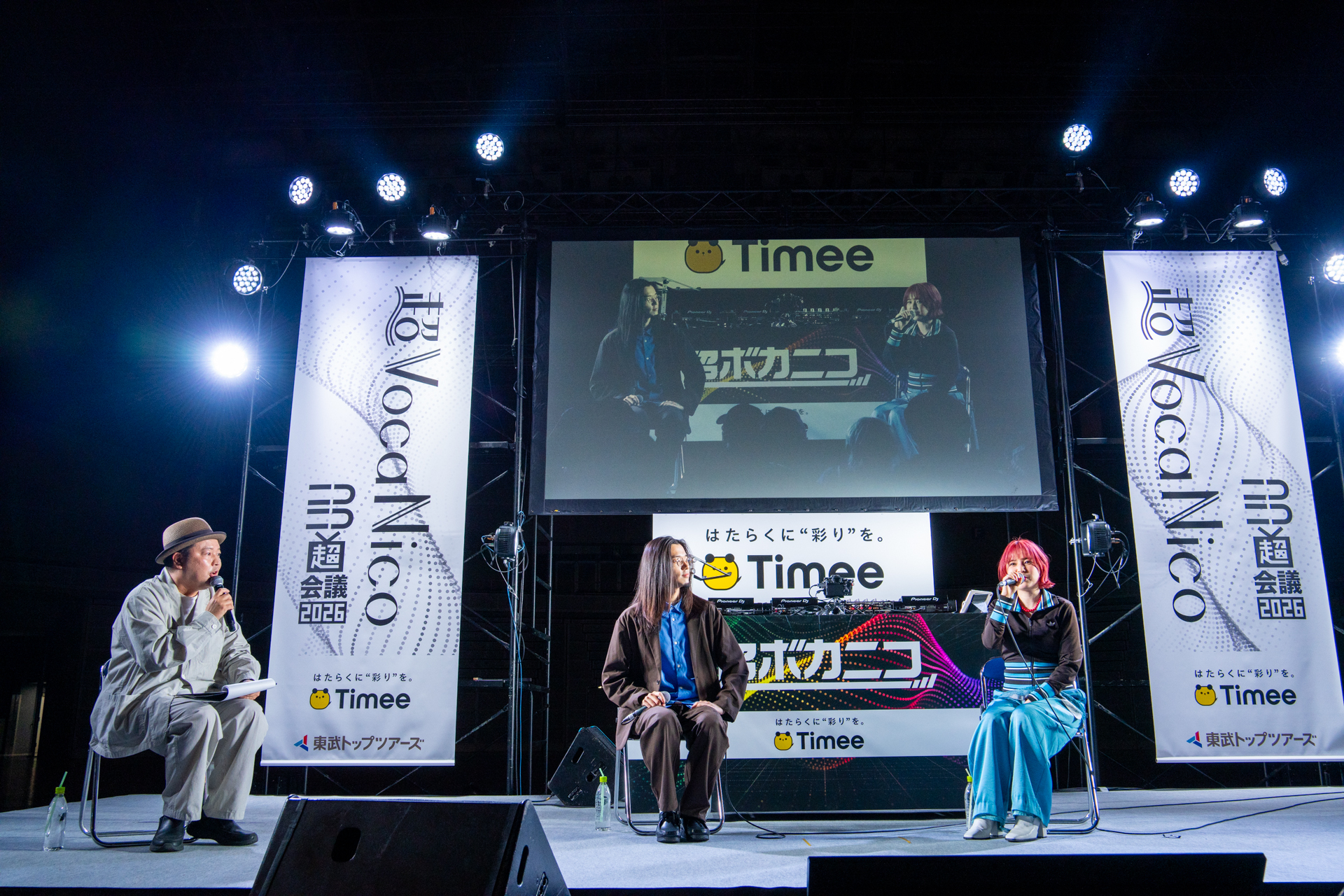
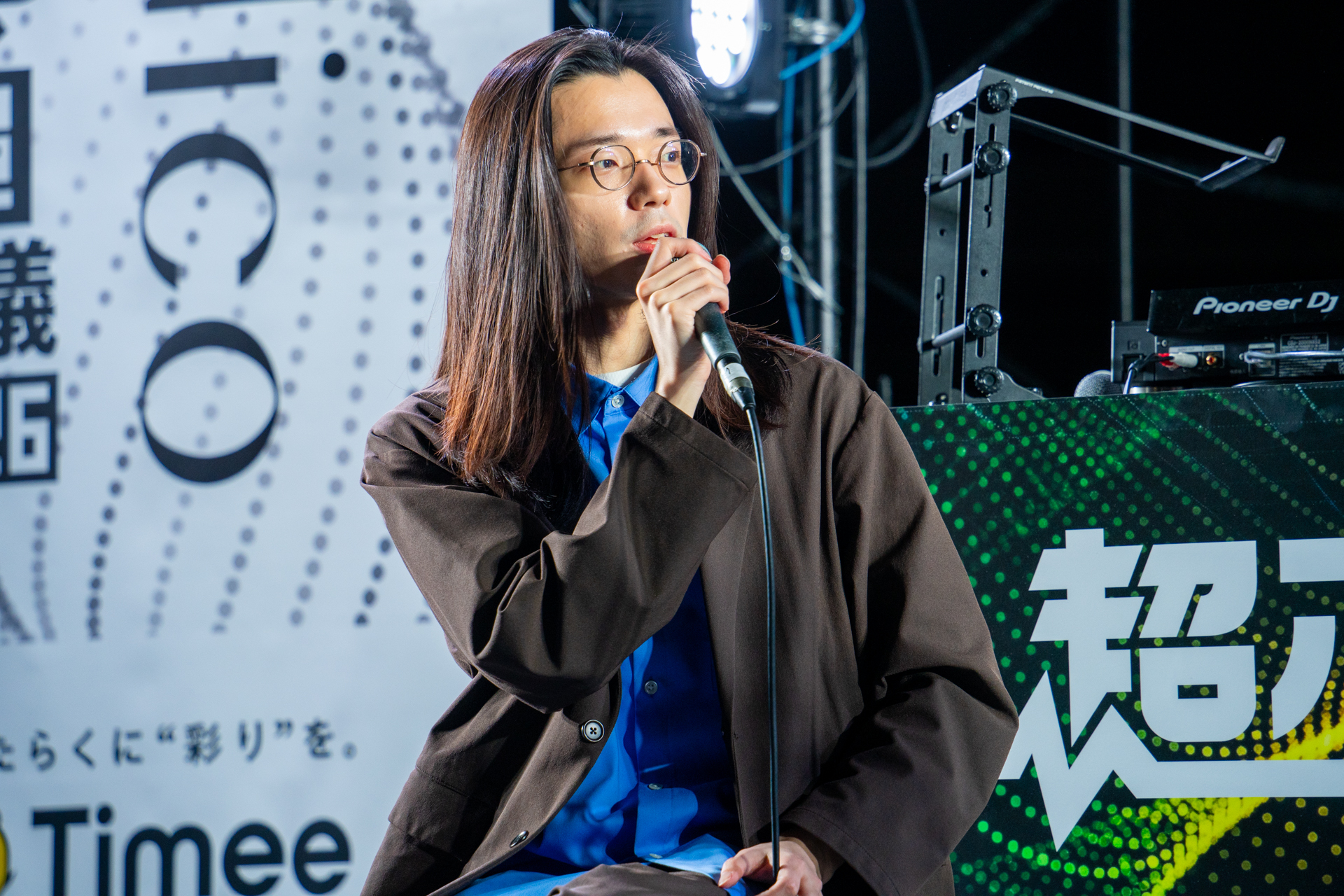
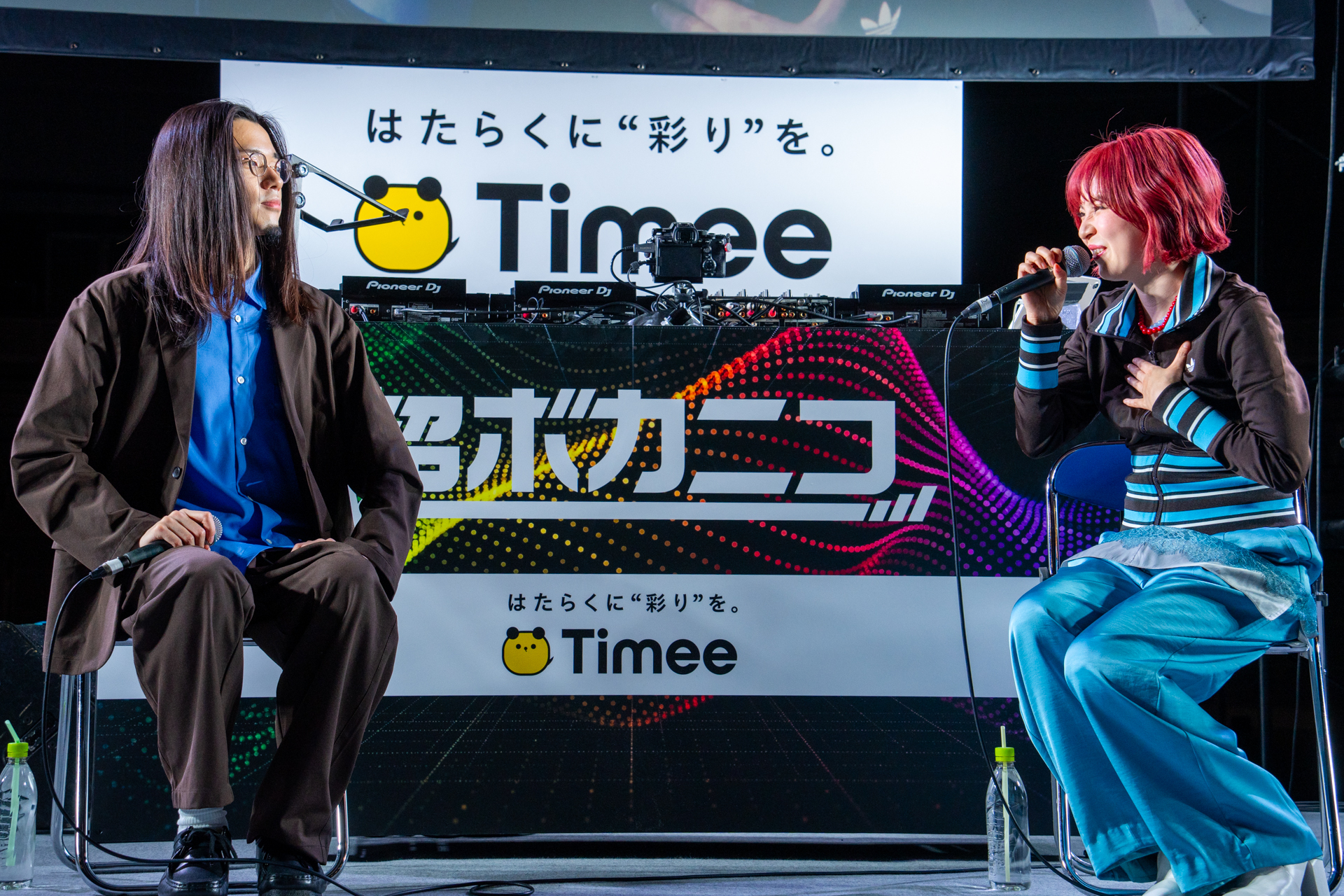
After the final act on April 25 at the “Cho Vocanico 2026 Supported by Timee” performance, a special talk session was held featuring electronic artist Sasuke Haraguchi and singer-songwriter Furui Riho. Centered around the topic of MAJ’s “Best Vocaloid Culture Song Award,” the two engaged in a passionate discussion covering a wide range of themes.
Already closely connected to MAJ, both artists have been nominated at the awards. At last year’s “MUSIC AWARDS JAPAN 2025,” Sasuke Haraguchi’s song “Igaku” was nominated for the “Best Vocaloid Culture Song Award,” while Furui Riho received two entries this year in the “Best R&B / Contemporary Song” and “Best Anime Song” categories for her number “Hello.”

Furui Riho Tours the “Niconico Chokaigi 2026” Venue
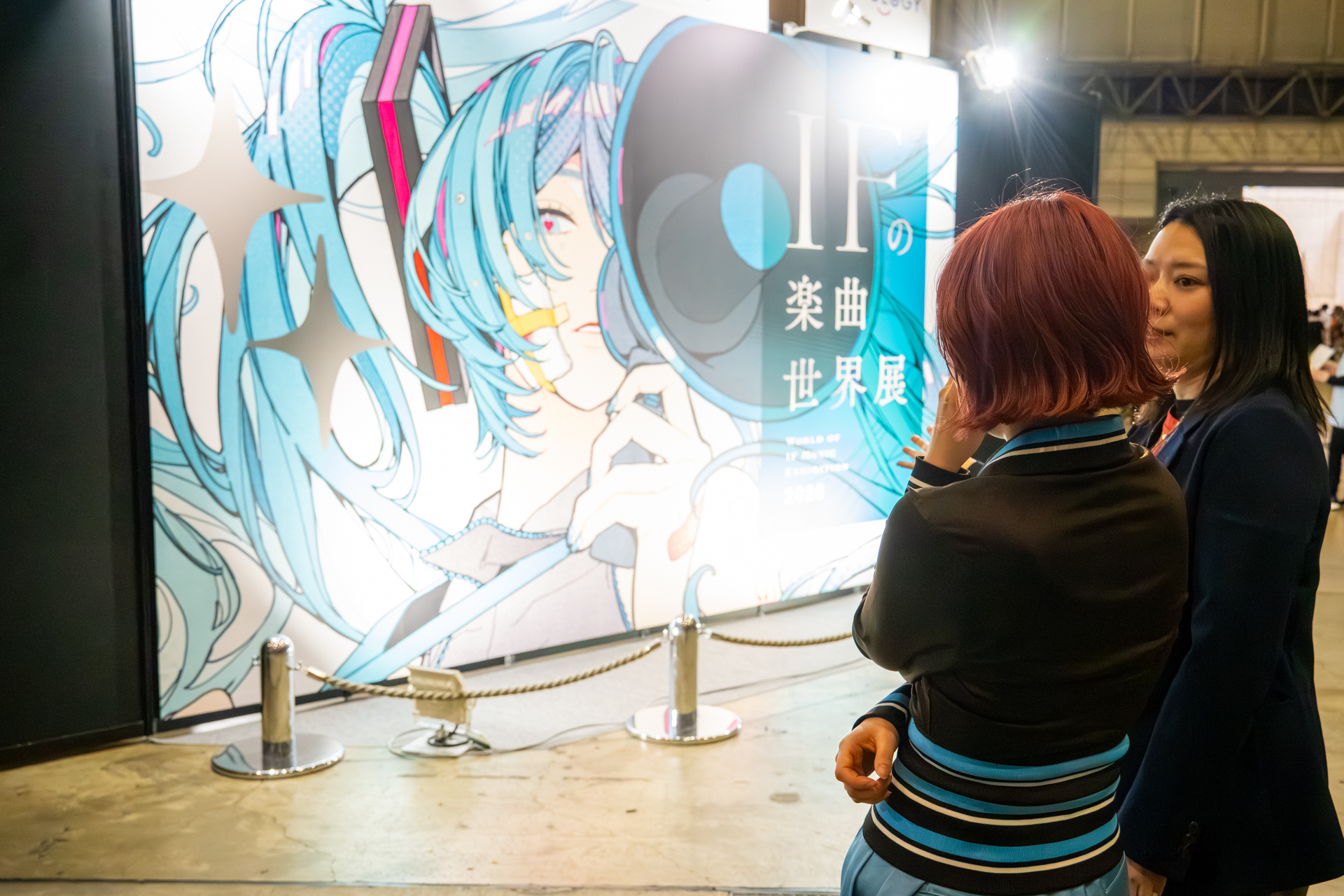
Before taking part in the talk session, Riho toured the “Niconico Chokaigi 2026” venue. Attending the event for the first time, she was visibly charmed by its unique atmosphere. She first visited “THE VOC@LOiD Cho M@STER 62,” a fan marketplace dedicated to Vocaloid works, before heading to the “Super Illustrator Exhibition: IF's Music World Exhibition,” which showcased artwork by illustrators known for creating visuals for Vocaloid songs.
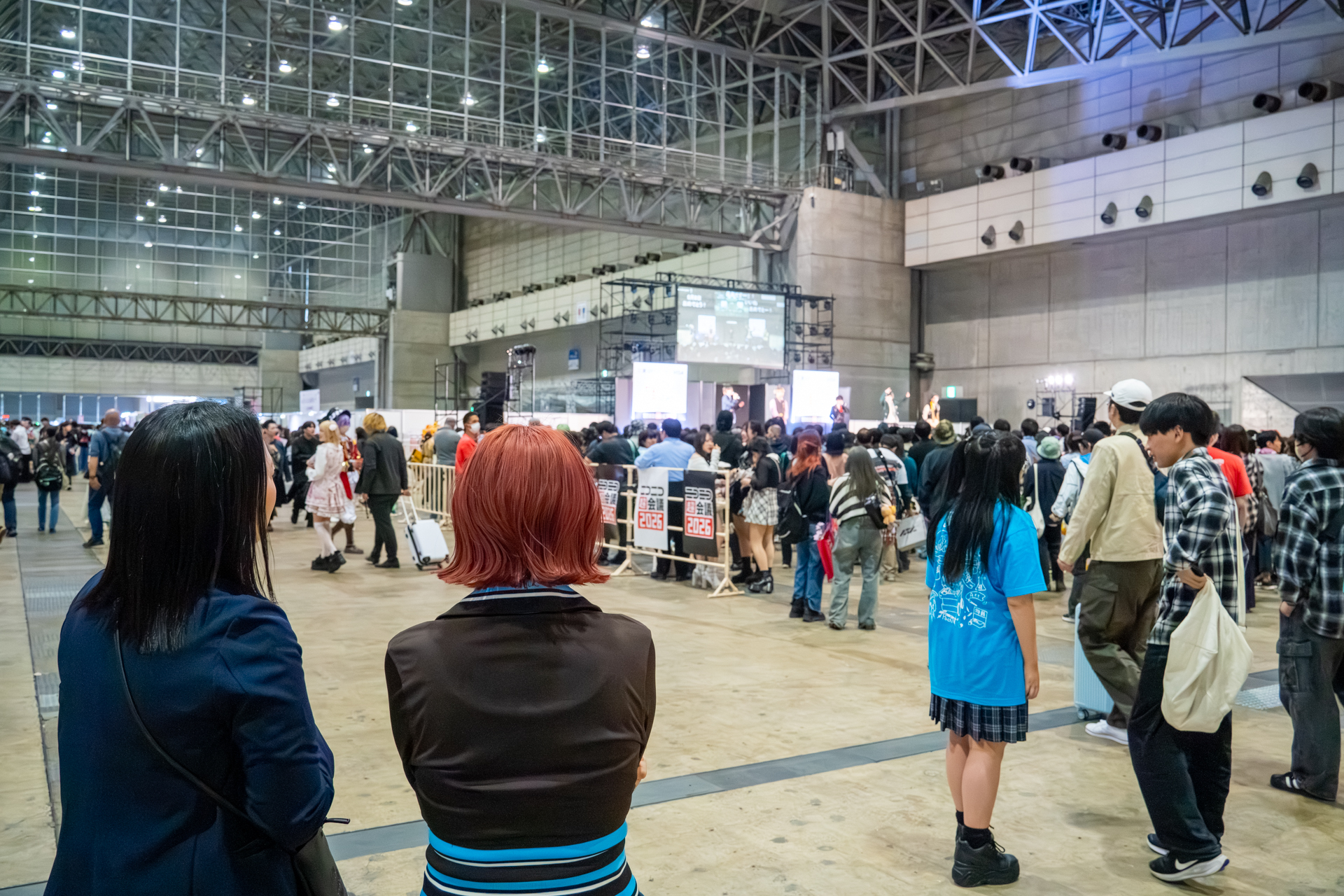
Though overwhelmed by the sheer level of creative passion on display, Furui continued exploring the halls, watching from a distance as participants freely expressed themselves on stages such as the “Cho Dance” and “Cho Singing” areas. She looked on with a mixture of admiration and empathy for the creators and performers taking part in the event. At one point, a freely rideable human-powered carriage passed through the venue corridors, drawing her attention to the cosplayers packed onto the float-like vehicle, all clearly enjoying the festivities.

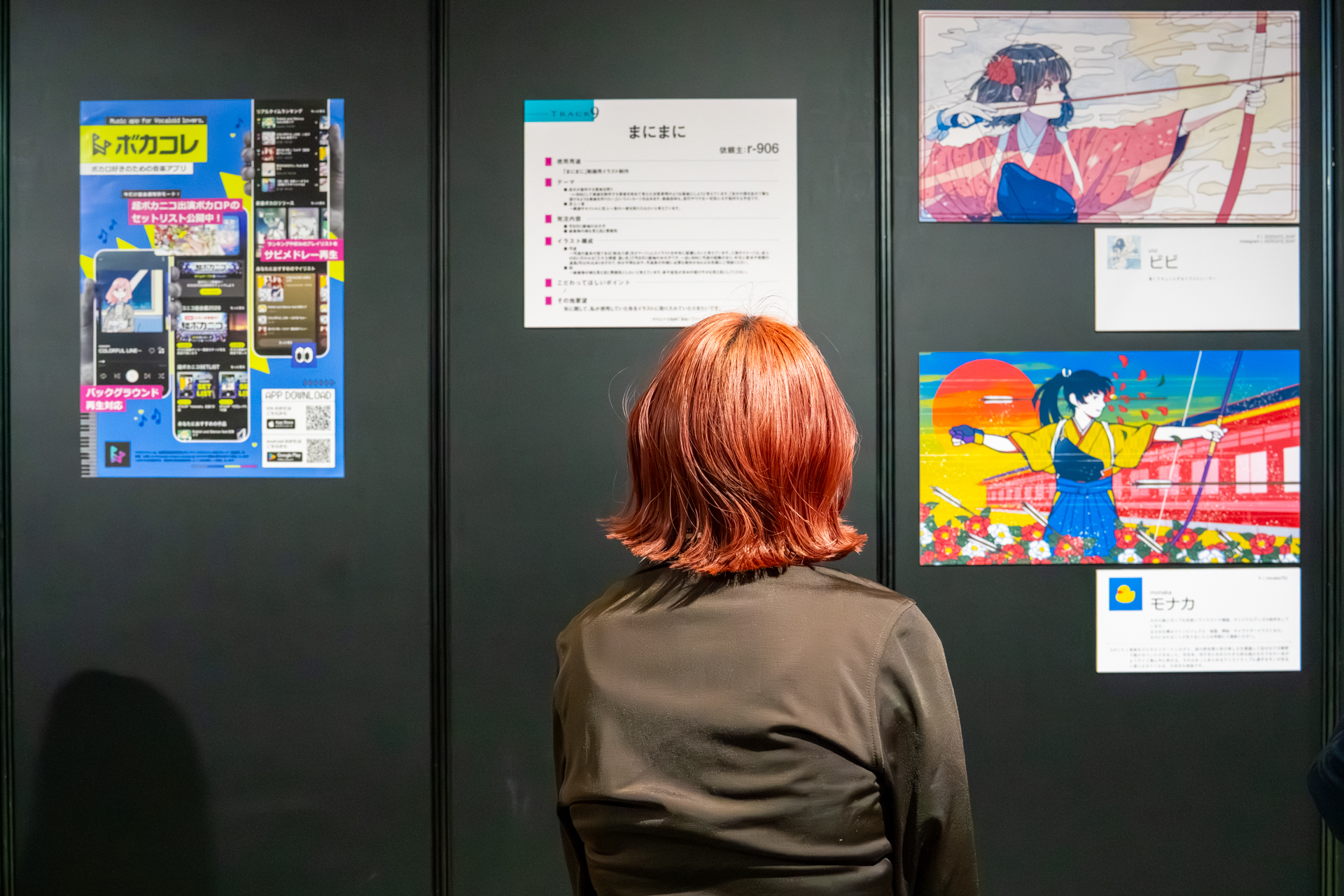
After completing her tour, Furui remarked that the “Super Illustrator Exhibition” left the strongest impression on her. The popular exhibition invites multiple professional illustrators to create their own visual interpretations of the same well-known Vocaloid song under the theme, “What if I interpreted the world of this song myself?” Seeing different creators expand upon a single theme through their own perspectives reminded her of collaborative songwriting sessions in the music industry. Encountering Vocaloid culture is something she had not previously explored in depth and appeared to provide her with both fresh inspiration and a powerful creative stimulus.
Later, Furui watched Sasuke Haraguchi’s DJ performance from the audience at the “Cho Vocanico” stage, where he performed as the penultimate act. Mesmerized by the sea of penlights shining like stars from both the arena floor and packed stands, she fully enjoyed Haraguchi’s approximately 35-minute set, which electrified the crowd with moments that were by turns cheerful and aggressively intense.
MAJ as a Source of Motivation for Creators
After Hachioji P, the final performer, whipped the crowd into a frenzy, host Takuya Hoshino took the stage to moderate the special talk session. He introduced the audience to “MUSIC AWARDS JAPAN 2026” (MAJ) and its “Best Vocaloid Culture Song Award,” while also emphasizing that the award’s selection process includes public voting.
Public voting is currently open through the voting website operated by Dwango, maj-vocaloid.com, where fans can cast one vote per day until May 20.
Haraguchi and Furui were then welcomed onto the stage with enthusiastic applause. Asked once again about her impressions of “Niconico Chokaigi 2026,” Furui smiled as she reflected, “Everyone here is enjoying themselves to the fullest. I was deeply moved by how many people have gathered in one place to express themselves and create something. It’s wonderful that a place like this exists.”
Having just finished his DJ set moments earlier, Haraguchi looked back on his song selection and set structure, explaining, “I was thinking about how to create a sense of unity and excitement with the audience while taking into account this year’s atmosphere, my own mood, and the balance with the performers before and after me.”
Regarding the launch of the internationally focused MAJ music awards in Japan, Furui expressed the view that the awards would serve as “a source of motivation for creators.” She added that she expects more and more artists to aspire to win the award in the future.
Haraguchi, meanwhile, offered a more measured perspective, noting, “Since this is only the second edition, there are probably still many people who don’t really know the criteria or even the existence of the awards themselves.” He stressed the importance of generating broader interest and building excitement around the awards moving forward.


Exchanging Questions About Each Other’s Music
From the middle portion of the discussion onward, the two artists took part in a Q&A session in which they asked one another questions, for a total of four exchanges.
The first question came from Haraguchi to Riho: “Is there something you consistently want to communicate through your activities? If so, what would that be? (It can simply reflect how you feel right now.)”
Furui answered immediately, “What I value most is probably love.” She explained, “When people feel exhausted or lonely in everyday life, I think what humans ultimately want is love,” adding that she hopes her music can remind listeners of “something warm within their hearts.”
Haraguchi nodded in agreement at her response and shared that, in his own creative work, he consciously tries to “depict life itself.”
The second question came from Furui to Haraguchi and focused on his songwriting process: “I feel you’re incredibly skilled at creating songs that stay in people’s ears, whether it’s the melody lines or the lyrics. They become addictive after just one listen. What’s your secret to making songs like that?”
Haraguchi revealed that he repeatedly rewrites melodies throughout every stage of production, from the initial idea and melody programming to the arrangement process and even the final stages right before completion. He explained that he continues experimenting almost until the very end. At the same time, he admitted, “A lot of hit songs actually come from ideas that appear in an instant,” prompting strong agreement from Furui. She revealed that her signature song “Hello” came to her all at once while she was cleaning her room, not only the melody, but even detailed aspects of the arrangement seemingly “descended” upon her in a single moment of inspiration.


In response to Haraguchi’s next question; “Is there anything you consciously keep in mind in order to deliver your music to more people?” Furui explained that her mindset changes depending on the period of her life. However, she shared her current belief that “songs created from a genuine feeling of ‘This is cool! This is fun!’ resonate more deeply with listeners than songs made with the intention of being liked by others.” Haraguchi strongly agreed, emphasizing that “it’s important not to force yourself”, not in the sense of cutting corners, but in staying natural. He added that being a creator means “keeping yourself in a state where inspiration can strike at any moment, always ready for ideas to arrive.”
The final question, posed by Furui, touched more directly on the essence of Haraguchi’s music: “I think your songs have a certain ‘edge’ to them, in a good way. There’s a kind of discomfort that never becomes too difficult, and I feel that’s what makes your music so interesting. Is that edge intentional? What do you think about when creating music?”
Haraguchi answered that he does not intentionally try to create that “edge.” Instead, he explained, “My tastes and sensibilities are naturally a bit different from other people’s, so the edge is already there from the start. If I leave it as-is, it can become hard to understand, so I actually try to round it off a little when making music.”
Furui responded with an amused “I see!” and appeared genuinely impressed by the unexpected revelation that songs such as “Igaku” were born not from adding sharpness, but rather from an effort to soften it.
The 20-minute discussion came to an end all too quickly. Haraguchi reflected, “Just as her music suggests, I felt that Furui is someone who truly takes music seriously. I was able to hear the things I wanted to ask about, and it was a really meaningful time.”
Furui, who admitted she had long thought of Haraguchi as “a genius,” added, “A few years ago, I never could have imagined that I’d one day come here and have the chance to speak with Haraguchi. It feels miraculous.” Smiling brightly, she concluded, “I’m happy we were able to connect and relate to each other.”