
“Music Awards Japan - Deep Insights-” Vol.6: Zeebra on the “Best Hip Hop / Rap Song” and “Best DJ” Awards in association with JDDA
Japan’s largest music awards, MUSIC AWARDS JAPAN, was established in 2025 by the Culture and Entertainment Industry Promotion Association (CEIPA). It is held under the concept: “Connecting with the world and illuminating the future of music.”
This award was established with the aim of becoming Asia’s counterpart to the Grammy Awards. Submitted works are automatically moved forward based on objective metrics gathered from Billboard Japan and the Oricon music charts. From there, voting determines five nominees in each category, as well as eventual winners.
Voting is carried out by approximately 5,000 music industry professionals across various fields. They include artists, creators, record label staff, concert promoters, music publishers and judges from other international music awards.
In its second year, the awards ceremony will be held on June 13 at TOYOTA ARENA TOKYO in the capital’s Odaiba area. Nominees were announced on April 30, with final voting ongoing until May 20.
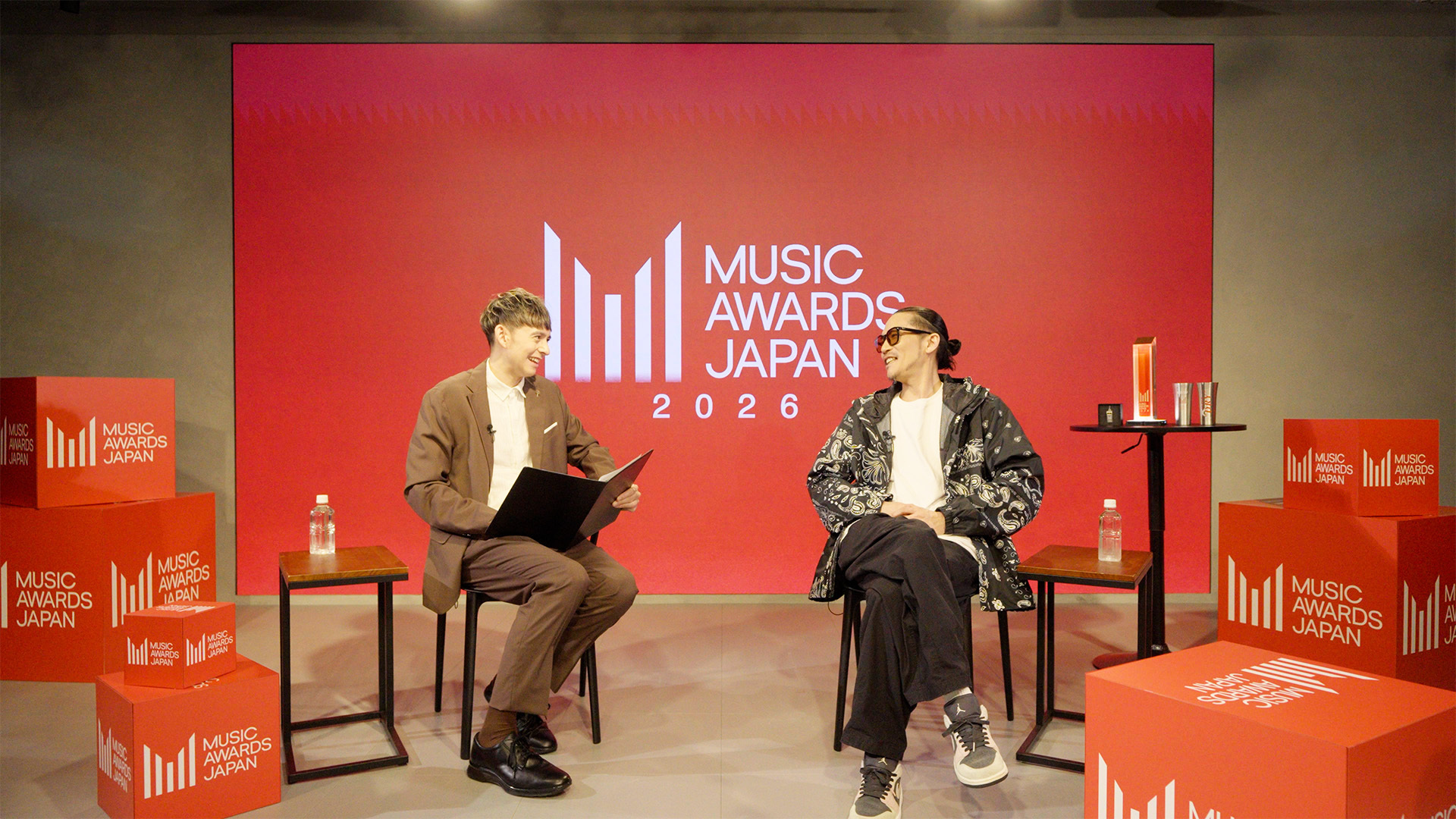
Prior to this, a new program titled “OTOMO presents MUSIC AWARDS JAPAN -Deep Insights-” launched on the official YouTube channel of MUSIC AWARDS JAPAN / CEIPA. Centered around the theme “What is happening in the music scene right now?”, it is a talk show in which host Harry Sugiyama invites a different expert guest each episode to explore the current state of various music genres and scenes.
Hip Hop vs. Rap: What’s the Difference?
This episode’s theme is the “Best Hip Hop / Rap Song” award. Joining the program as a guest was Zeebra, who describes himself as a “hip hop activist.” Together with host Harry Sugiyama, he revisited the fundamental question of “what is hip hop?” while discussing the genre’s current state and future outlook. According to Zeebra, the title “hip hop activist” reflects two core pillars of his work: spreading hip hop culture and using that culture to contribute to society.
The conversation began with Harry asking about the distinction between “hip hop” and “rap.” Zeebra explained, “I think a lot of people see them as the same thing, but rap is an art form centered around rhythm and words, while hip hop is the name of the broader culture.” Hip hop culture is generally understood to be built upon four core elements: rap, DJing, breakin’ (breakdancing), and graffiti art. Rap is just one component of hip hop culture.
Today, rap techniques are frequently incorporated into genres outside of hip hop as well. Reflecting on how the category is defined at MUSIC AWARDS JAPAN, Zeebra commented, “Rather than limiting it strictly to hip hop culture, I think calling it ‘Hip Hop / Rap’ is the best way to avoid misunderstandings while encompassing the wider influences surrounding it,” emphasizing the appropriateness of the awards’ segmentation.
Zeebra also spoke about improving the social standing of DJs from his position as a board member of the Japan Dance Music & DJ Association. Before revisions to Japan’s Entertainment Business Control Law in 2016, DJing at clubs late at night existed in a legal gray area, and DJs were not widely regarded as having a respected social status. Wanting to create an environment where the next generation could pursue the profession with pride, Zeebra has worked to improve conditions through dialogue with government officials and politicians. He further strengthened ties with public institutions during the COVID-19 pandemic, including negotiations over compensation measures for freelancers. Zeebra expressed the view that DJs today are increasingly recognized not simply as providers of entertainment, but as professionals with genuine cultural value.
Zeebra Breaks Down the “Best Hip Hop / Rap Song” Nominees
The conversation then shifted to the nominees for the “Best Hip Hop / Rap Song” category at MUSIC AWARDS JAPAN 2026. Looking over a lineup featuring artists with widely different styles and approaches, Zeebra remarked, “I think it’s a really well balanced selection,” reflecting on the depth and diversity of Japan’s current hip hop and rap scene.
Discussing “Miss Luxury” by YZERR, LANA, JP THE WAVY, and ¥ellow Bucks — a remake of a classic track by DJ PMX — Zeebra praised the younger generation in Japan for embracing the sampling culture and sense of musical lineage deeply rooted in US hip hop.
Turning to STUTS, whose “99 Steps (feat. Kohjiya, Hana Hope)” also received a nomination, Zeebra highlighted the producer’s achievement in successfully staging large scale solo concerts as a beatmaker and producer, calling him “someone our industry has never really had before.” He also singled out Kohjiya for praise, saying, “He’s insanely good at creating toplines,” before adding, “He feels like the kind of artist who’s going to move this scene forward.”
When the topic turned to Creepy Nuts and their nominated track “doppelgänger,” Zeebra enthusiastically celebrated the duo’s recent international success. “Creepy are truly incredible. Their Coachella performance was a huge success, their New York headline show was a huge success… damn you guys! You’re doing everything we wanted to do!” he joked, before adding, “I’m honestly so happy that this era has finally arrived,” referring to the global rise of Japanese hip hop acts.
Reflecting on the track’s uncompromising sound design, Zeebra compared it to his own song “MR.DYNAMITE,” explaining, “If I made more conventional kayōkyoku or J-POP leaning music and succeeded with that, I’d have to keep doing it forever. I absolutely didn’t want that, so I deliberately went in the complete opposite direction. Maybe they’re operating with a similar mindset too.” Through the comparison, he expressed admiration for the duo’s rebellious spirit.
The nominees also include CHANMINA’s “WORK HARD” and RIP SLYME’s “DO ON,” leading Zeebra to admit, “I honestly have no idea who’s going to win,” in awe of how strong the lineup is overall.
Speaking about RIP SLYME, who reunited last year with all five original members for a limited one year comeback, Zeebra candidly shared his feelings on the group’s return. “I didn’t think outsiders should say too much about it, but when I heard they were actually doing it, I was like, ‘Seriously? That’s amazing, I’m really happy for them.’” His comments also touched on both the value and difficulty of maintaining a group over time.

Zeebra Spotlights the Standout “Best DJ Award” Lineup
In addition to the “Best Hip Hop / Rap Song” category, MUSIC AWARDS JAPAN also features the “Best DJ Award in association with JDDA,” co-presented by the Japan Dance Music & DJ Association, where Zeebra serves as a board member. Speaking about the five nominees, Zeebra enthusiastically described the selection as “a really interesting lineup.”
According to him, not only do the nominees come from completely different genres, but they also represent a wide range of approaches, from artists deeply rooted in the domestic scene, to those dominating overseas, to DJs capable of thriving in both worlds.
Zeebra spoke passionately about each nominee: DaBook, who continues to lead Japan’s R&B DJ scene; DJ TATSUKI, who successfully held a solo show at Nippon Budokan alongside DJ CHARI; DJ KOCO aka SHIMOKITA, internationally respected for both his knowledge and technical skill; and ¥ØU$UK€ ¥UK1MAT$U, who has built a strong presence overseas through appearances at events including Coachella Valley Music and Arts Festival and whom Zeebra described as “without question the coolest Japanese DJ in the world right now.”
For Zeebra, the nominees fully reflect both the diversity and the exceptionally high level of today’s Japanese DJ scene.
Later, when host Harry Sugiyama asked, “This might be a simple question, but how do you personally discover new music these days?”, Zeebra explained that he encounters new music every day through his radio program. He said he makes a point of listening closely to albums by guest artists and speaking with them directly in order to better understand the stories behind their music.
Arguing that this is what allows listeners to appreciate hip hop on a deeper level, Zeebra explained, “Some people might think music should be judged purely by sound because, well, it’s music. But if you see an artist’s background, friendships, hobbies, all of that, as part of the music itself, you can enjoy it on a much deeper level.”