
Enka and Kayokyoku Music Honored through Celebration and Collaboration at MUSIC AWARDS JAPAN 2026
MUSIC AWARDS JAPAN 2026 hosted Enka & Kayokyoku at Zepp Diver City Tokyo on June 11, a live concert celebrating Enka & Kayokyoku music and a ceremony presenting the "BEST ENKA/KAYŌKYOKU SONG" award.
Enka is an older, emotionally charged version of Japanese pop featuring distinctive vocal delivery. Meanwhile, Kayokyoku is the broader historical umbrella for Japanese pop music which typically blends traditional Japanese melodies with Western instrumentals.
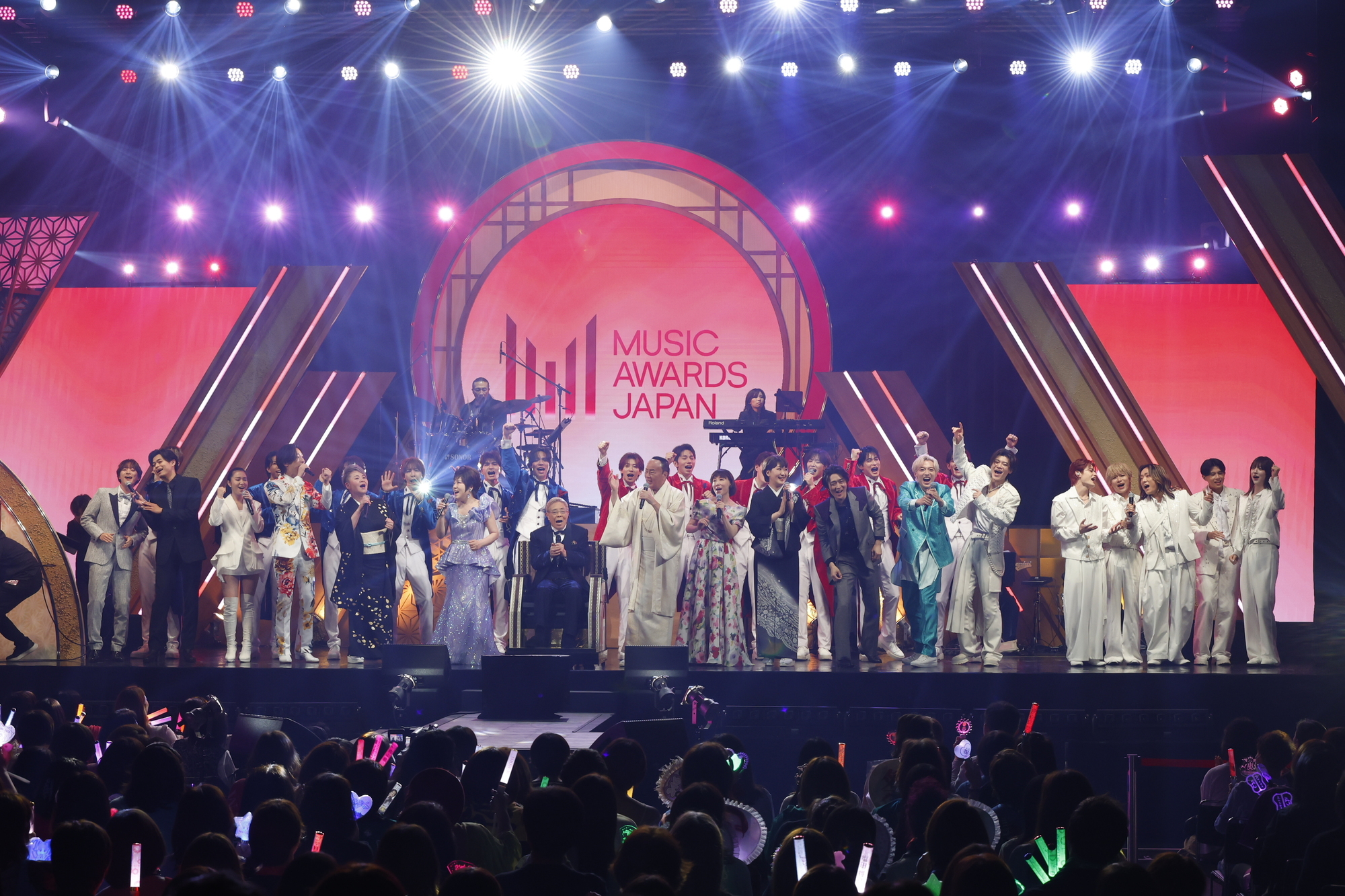
Nominees including Saburo Kitajima, Takashi Hosokawa, SHOW-WA, MATSURI, KaWang and many more performed their songs live before the winner was announced. The lineup brought together an array of artists, from those at the pinnacle of the genre to younger artists poised to carry the torch for the next generation. They gathered as passionate vocalists dedicated to presenting, cherishing and passing on melodies that have been deeply engraved into modern Japanese history and culture.
Performers and Nominees Include:
Saburo Kitajima, Takashi Hosokawa, Kaori Mizumori, Aya Shimazu, Yukino Ichikawa, Kim Yonja, Keisuke Yamauchi, Junretsu, SHOW-WA, MATSURI, Yuto Tatsumi, Naoki Sanada, Leon Niihama, Shin Aoyama, Soichi Futami, Aimi Tanaka, and KaWang.
A Stage Where Tradition Meets Innovation
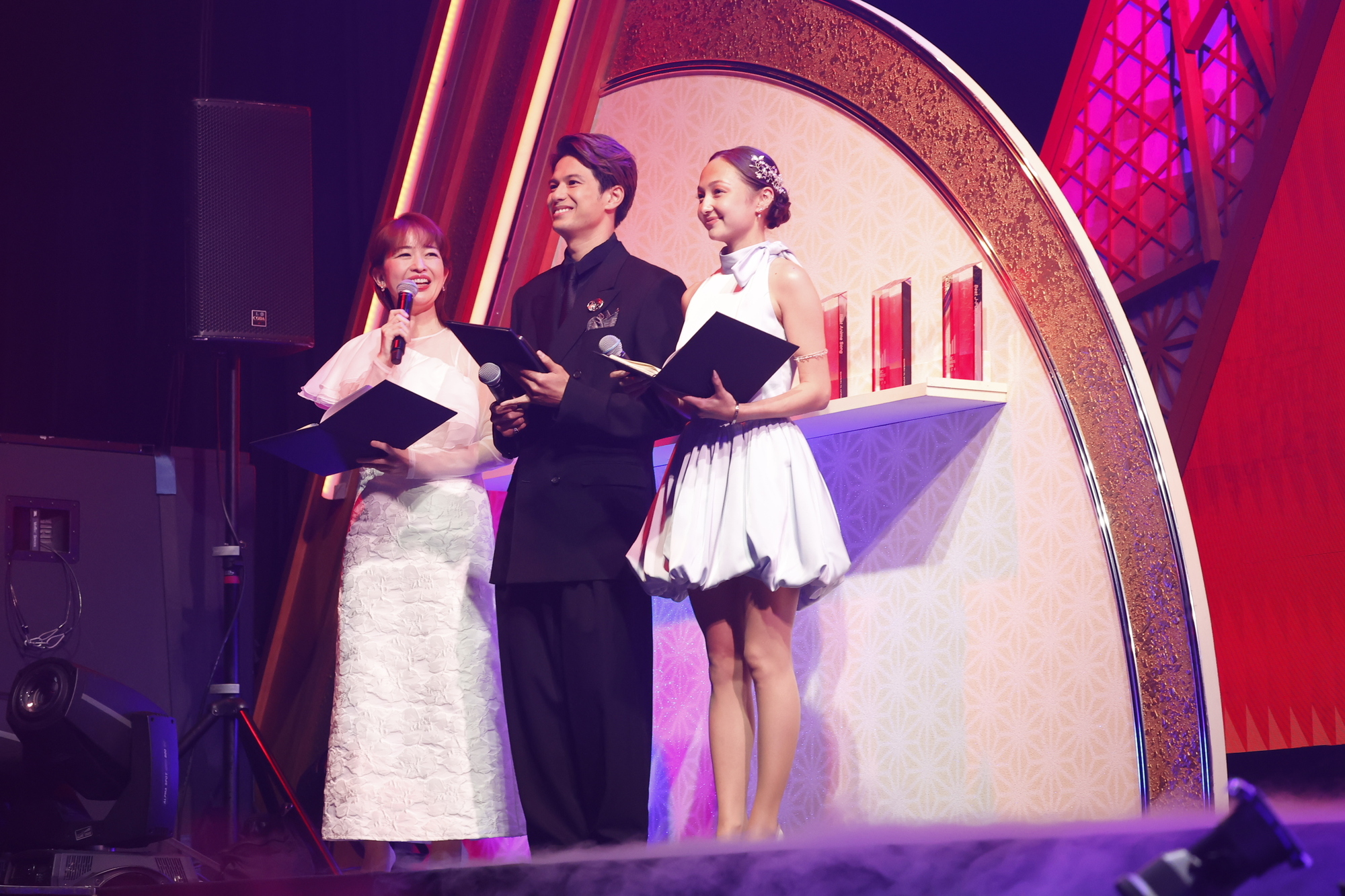
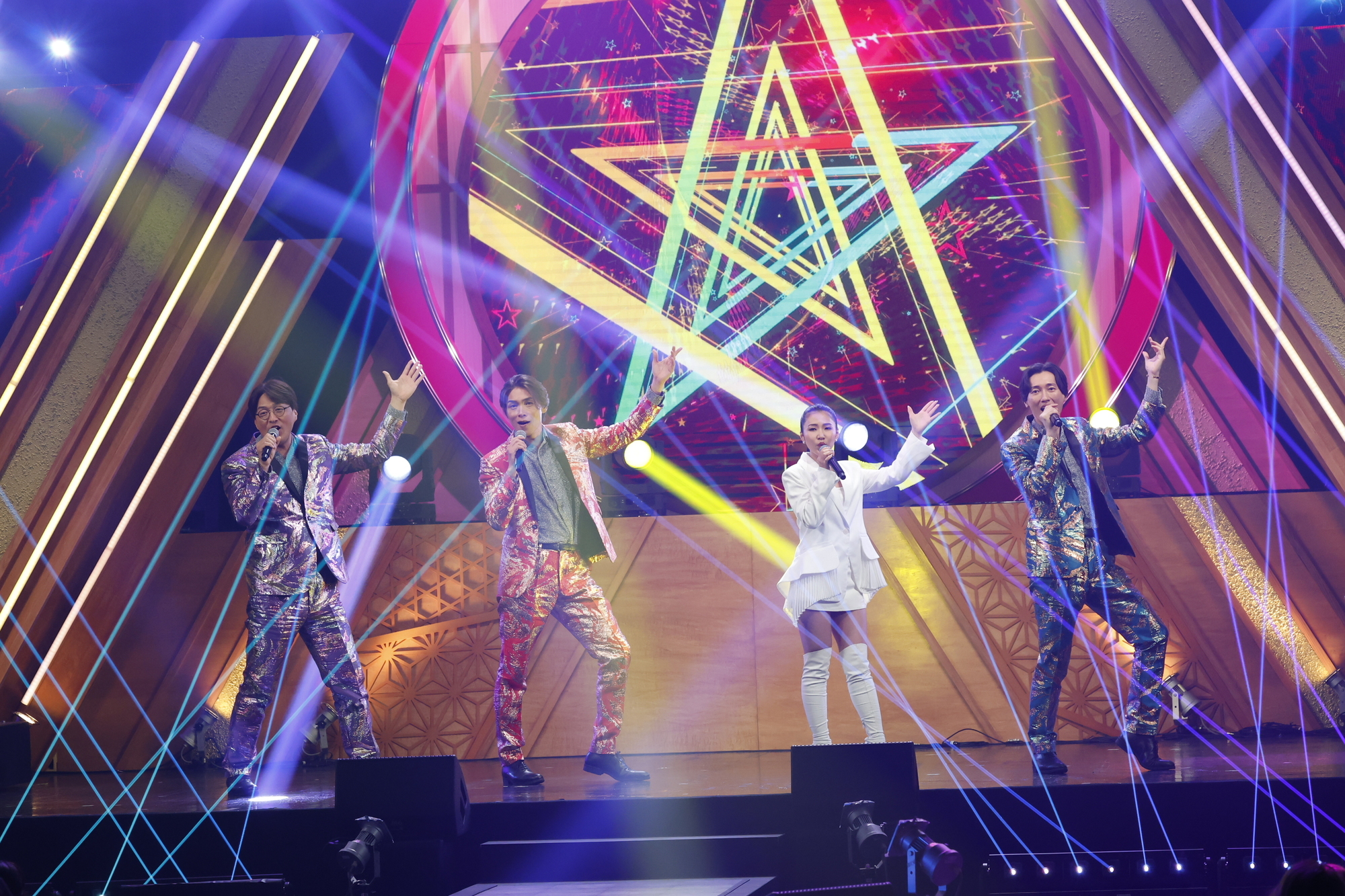
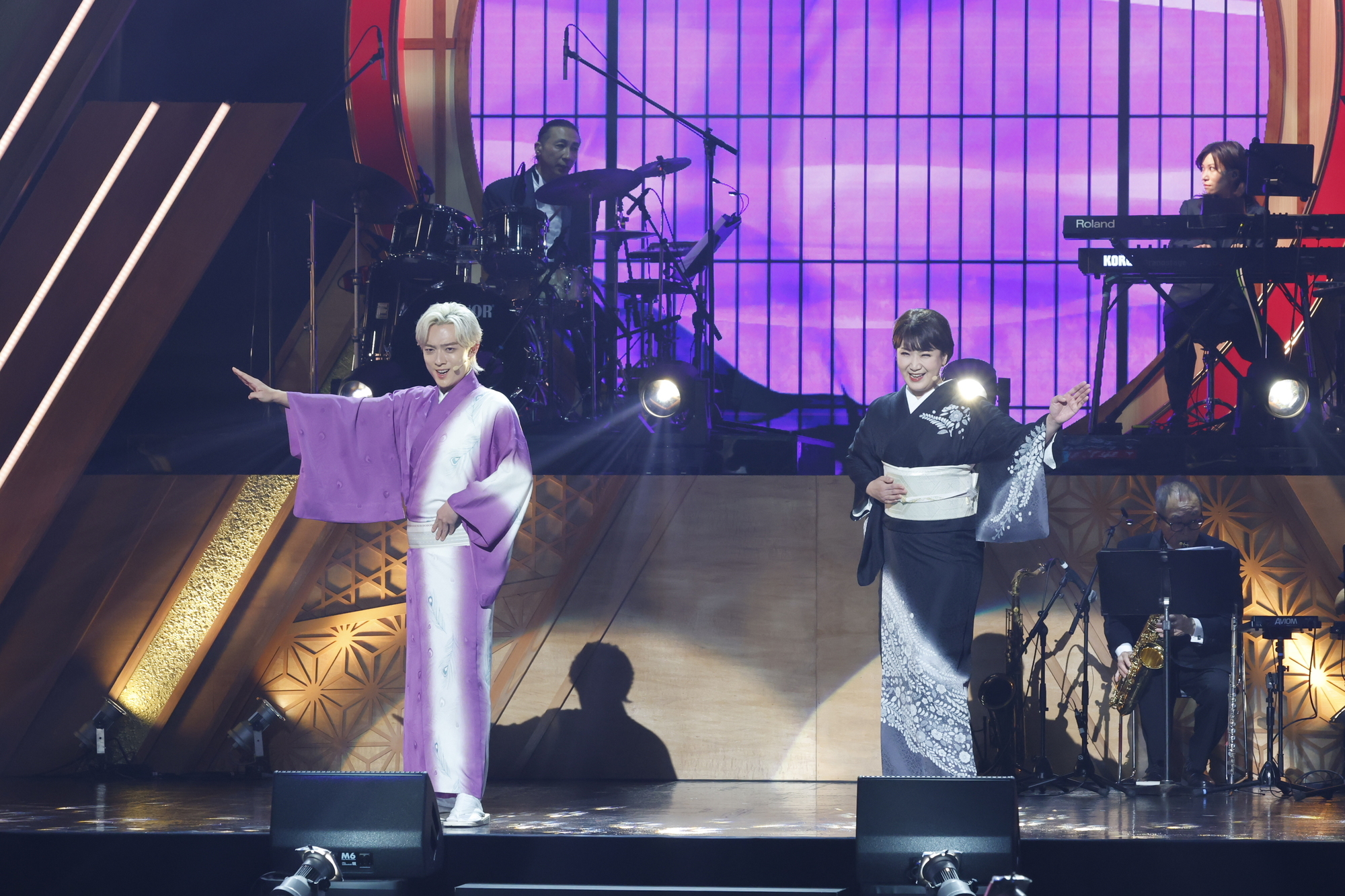
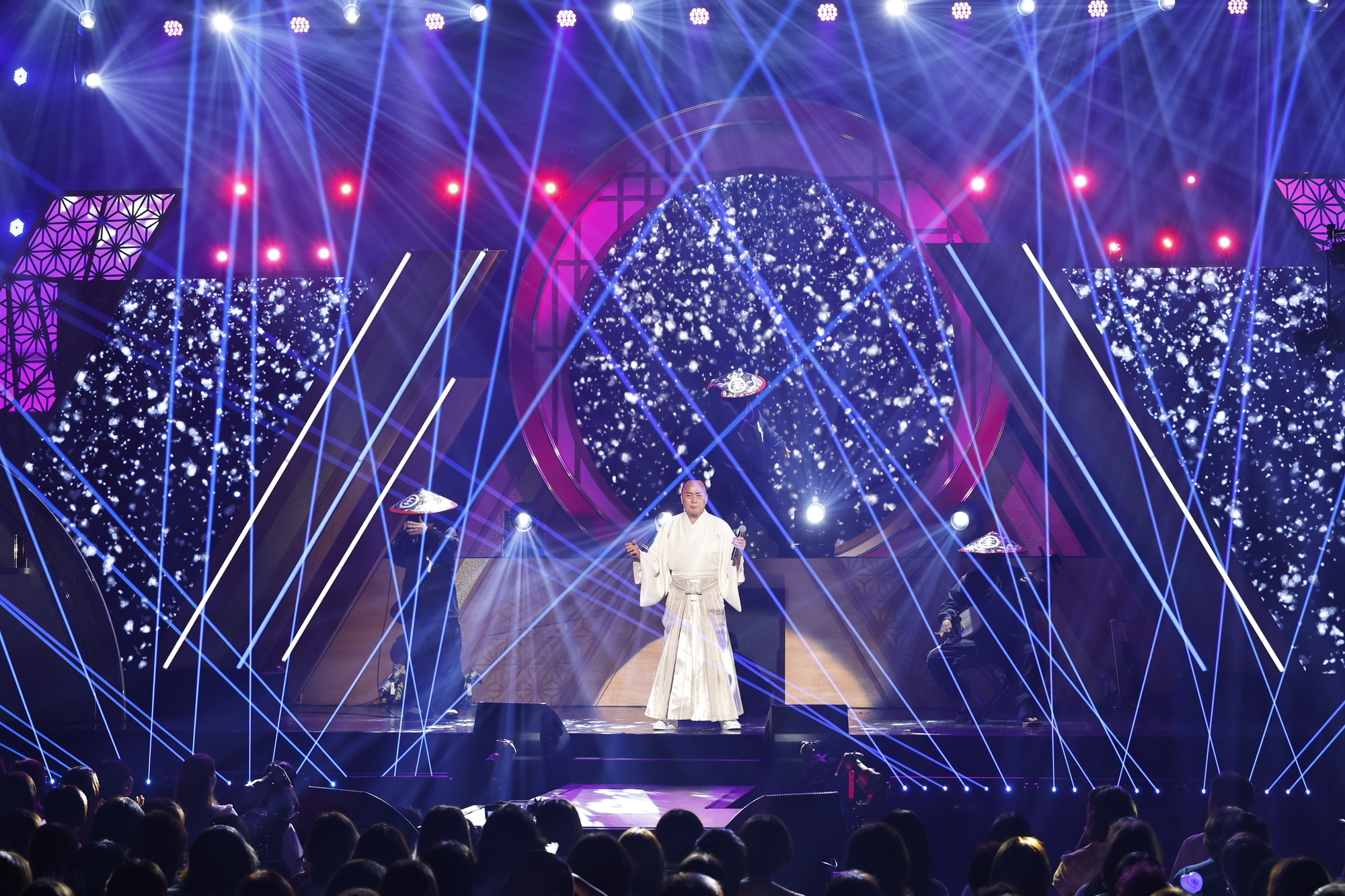
MCs Win Morisaki, Yuki Matsumaru and Keina guided the proceedings and broadcast to a global audience in English. Their lively yet respectful hosting breathed new life into this genre, while also creating an atmosphere both heartwarming and exciting from start to finish. The opening performance, featuring a dynamic collaboration blending Tsugaru-jamisen (a type of traditional Japanese folk music played on an instrument called a shamisen) and dance music, was brought to life by the Yoshida Brothers, DAISHI DANCE and Kamui. Following this dazzling performance, Takashi Hosokawa performed “Kita Sakaba” and Kaori Mizumori sang “Sanriku Banka” with these industry headliners conveying the essence of tradition through their songs.
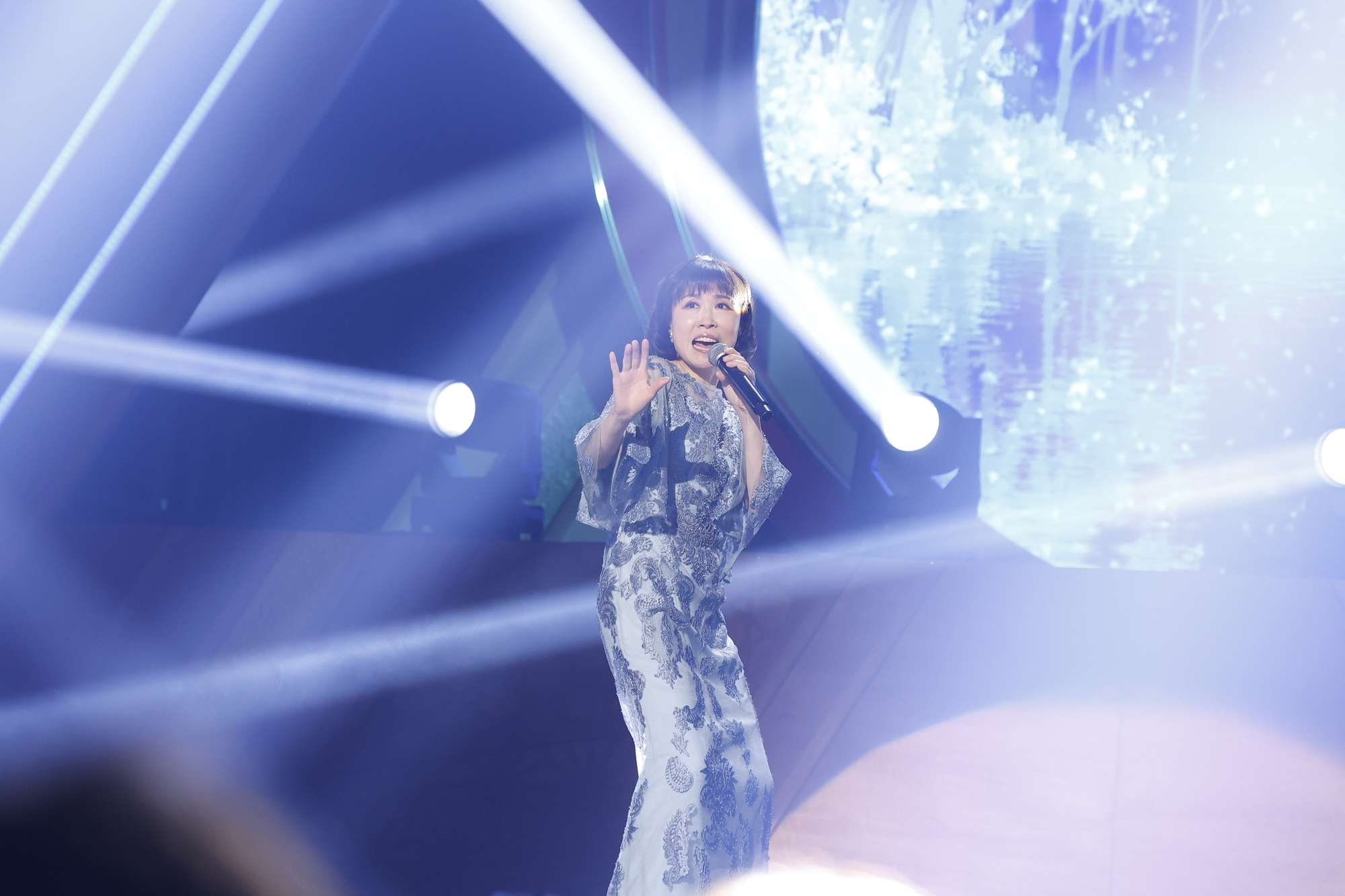
The night continued with a wide variety of performances celebrating Japanese music as it has changed and innovated over time.
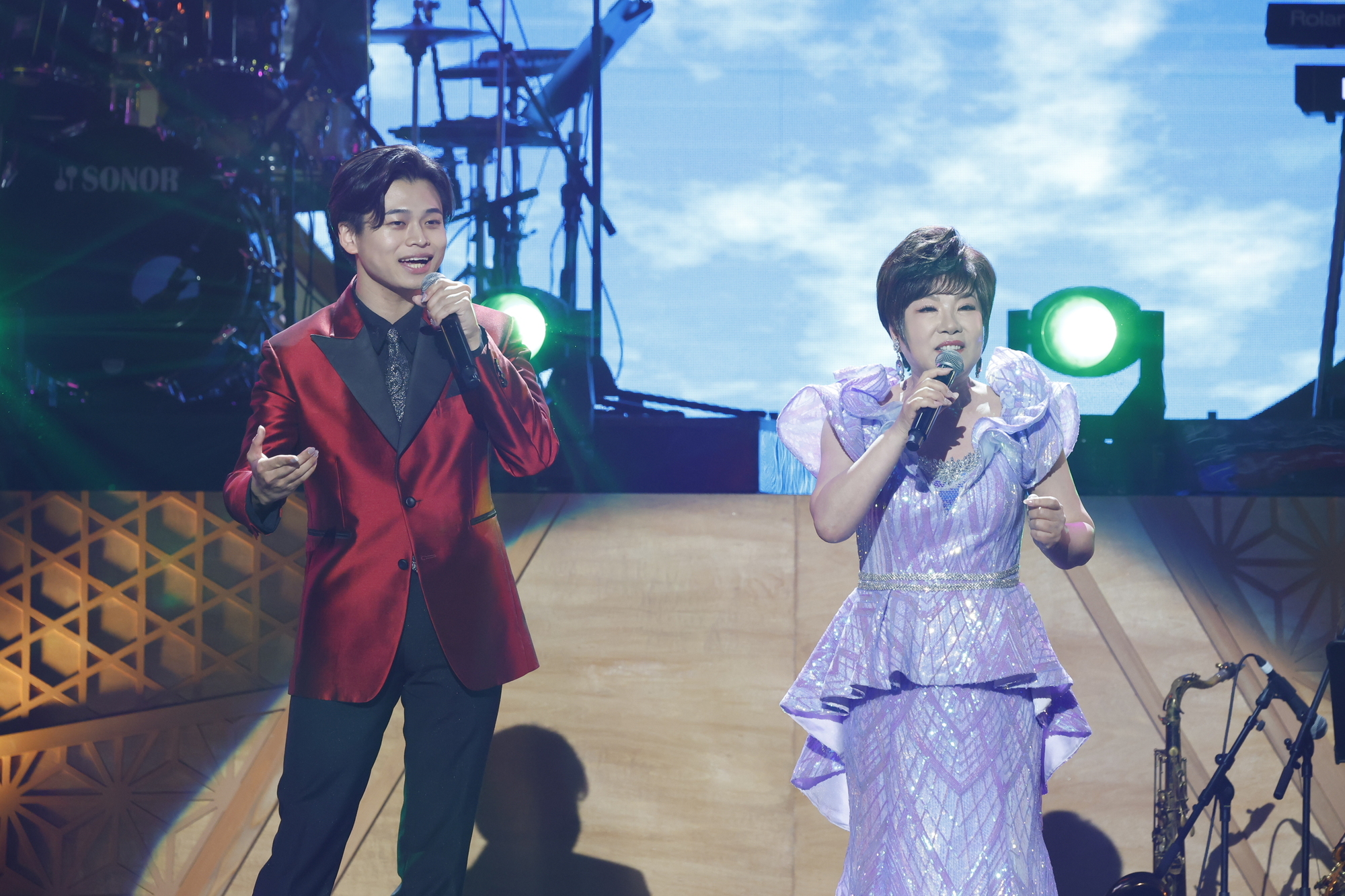
While performing "Kairancha Yoka (2025 Ver.)," artist Aya Shimazu expressed a sentiment of deep affection for her family and hometown through her powerful yet delicate vocals. Keisuke Yamauchi and Yukino Ichikawa collaborated with rock guitarist Marty Friedman. Yamauchi performed Aki Yashiro's "Onna Minatomachi" and Ichikawa sang her own song "Yuki Renge," once again demonstrating the compatibility between rock music and the genres of Enka and Kayokyoku. Naoki Sanada and Tanaka Aimi covered the classic song "Sanya Blues" by Nobuyasu Okabayashi, a track capturing the sentiments of Japanese working-class people.
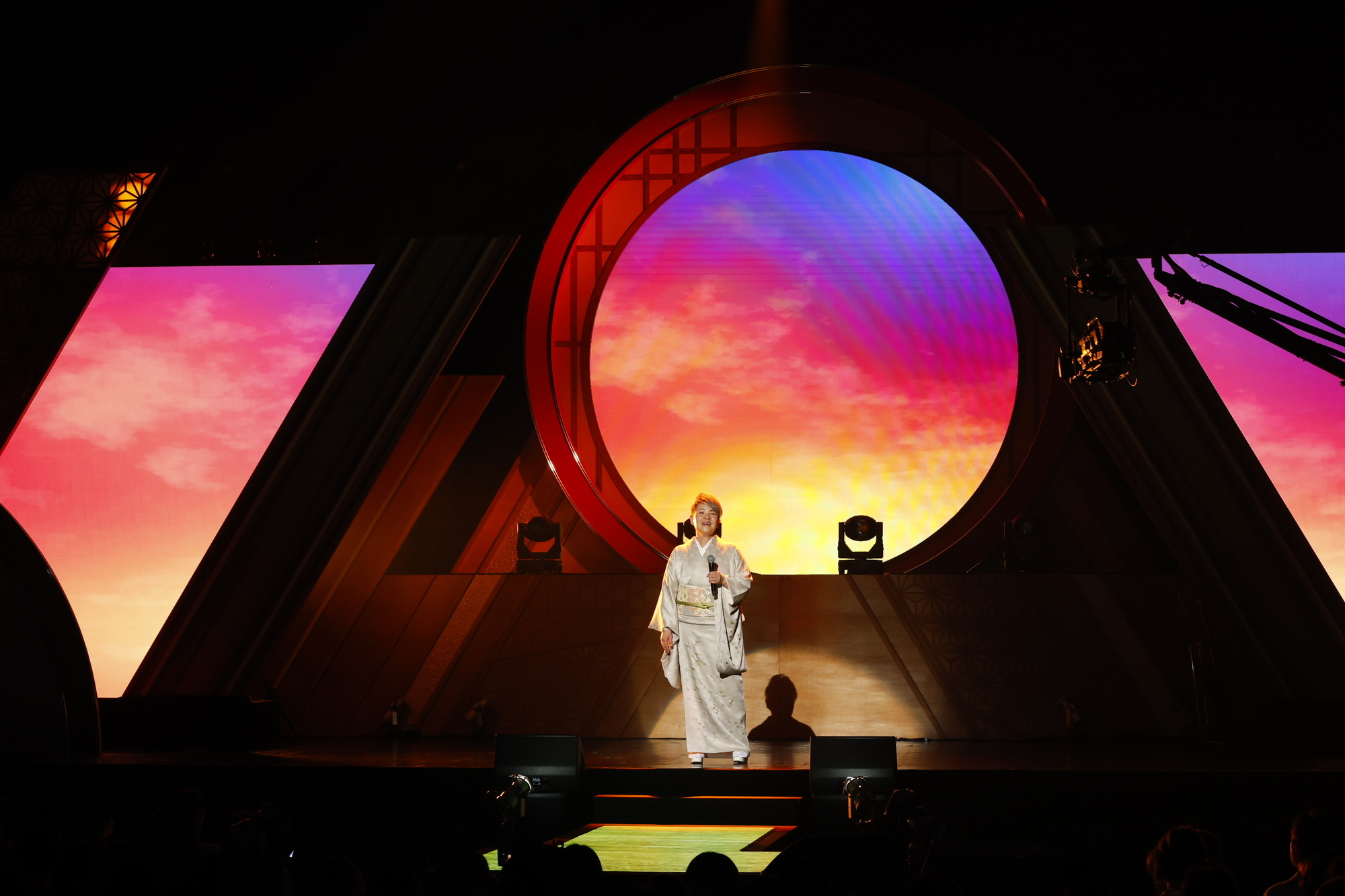
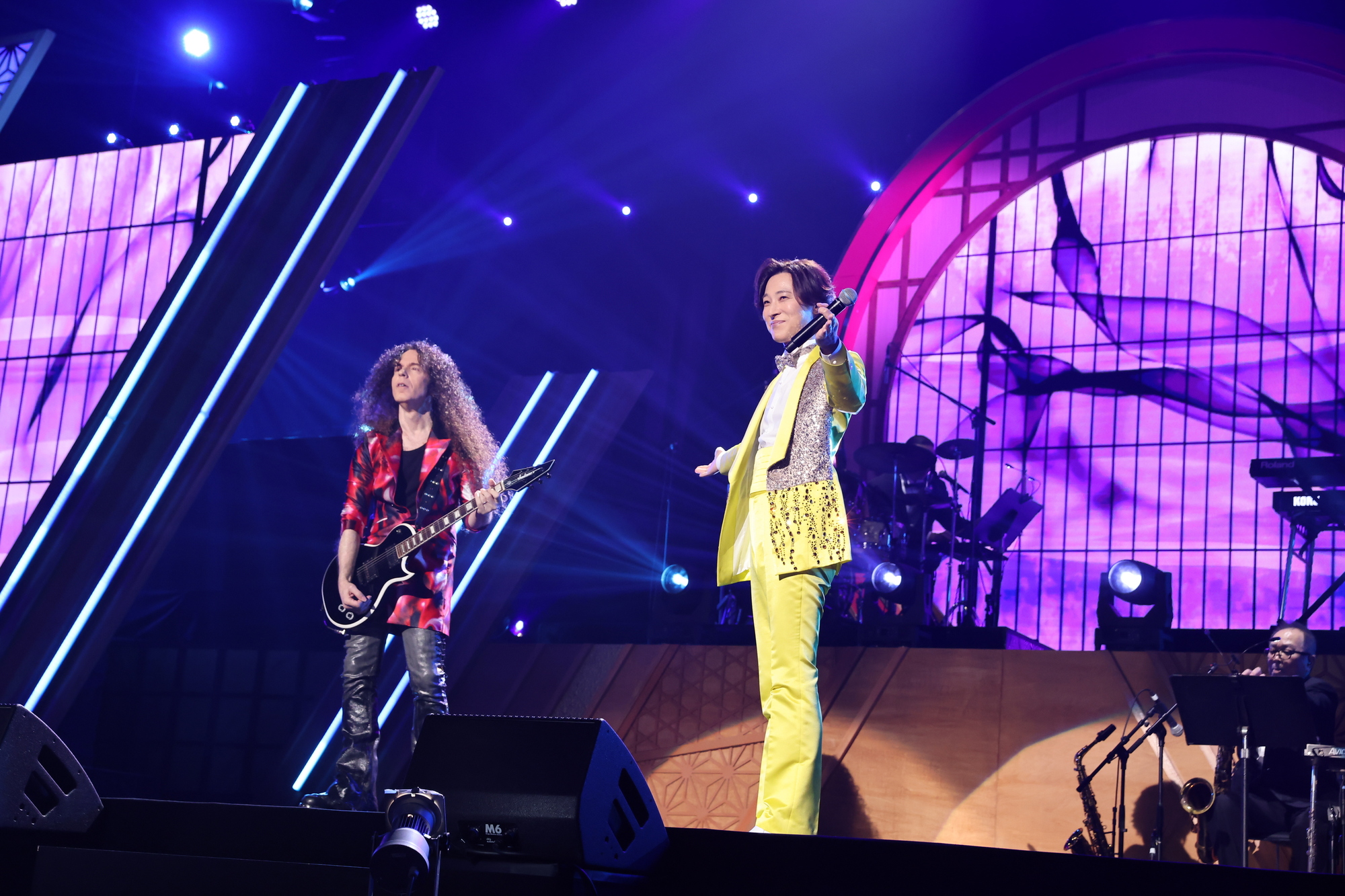
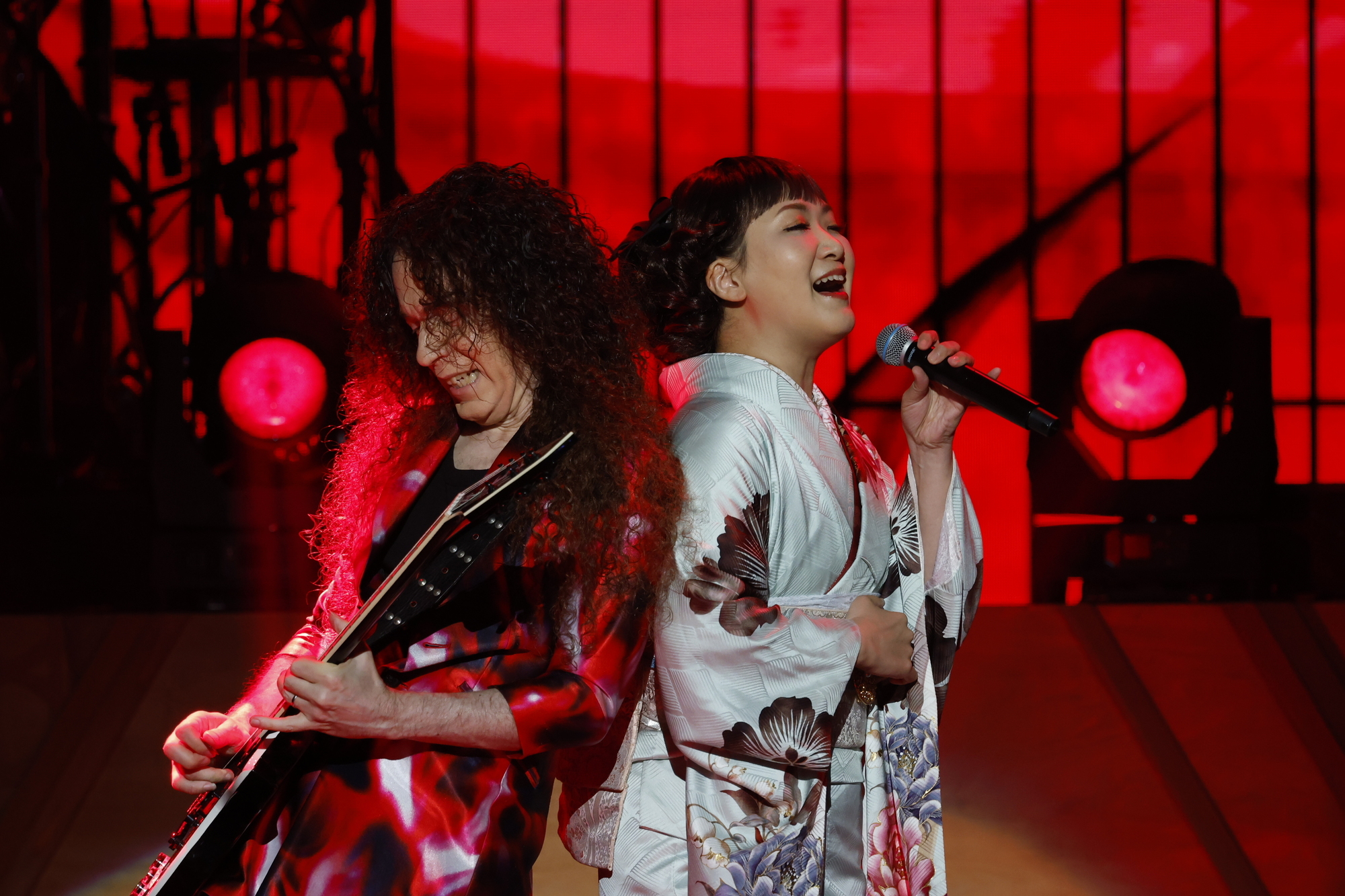
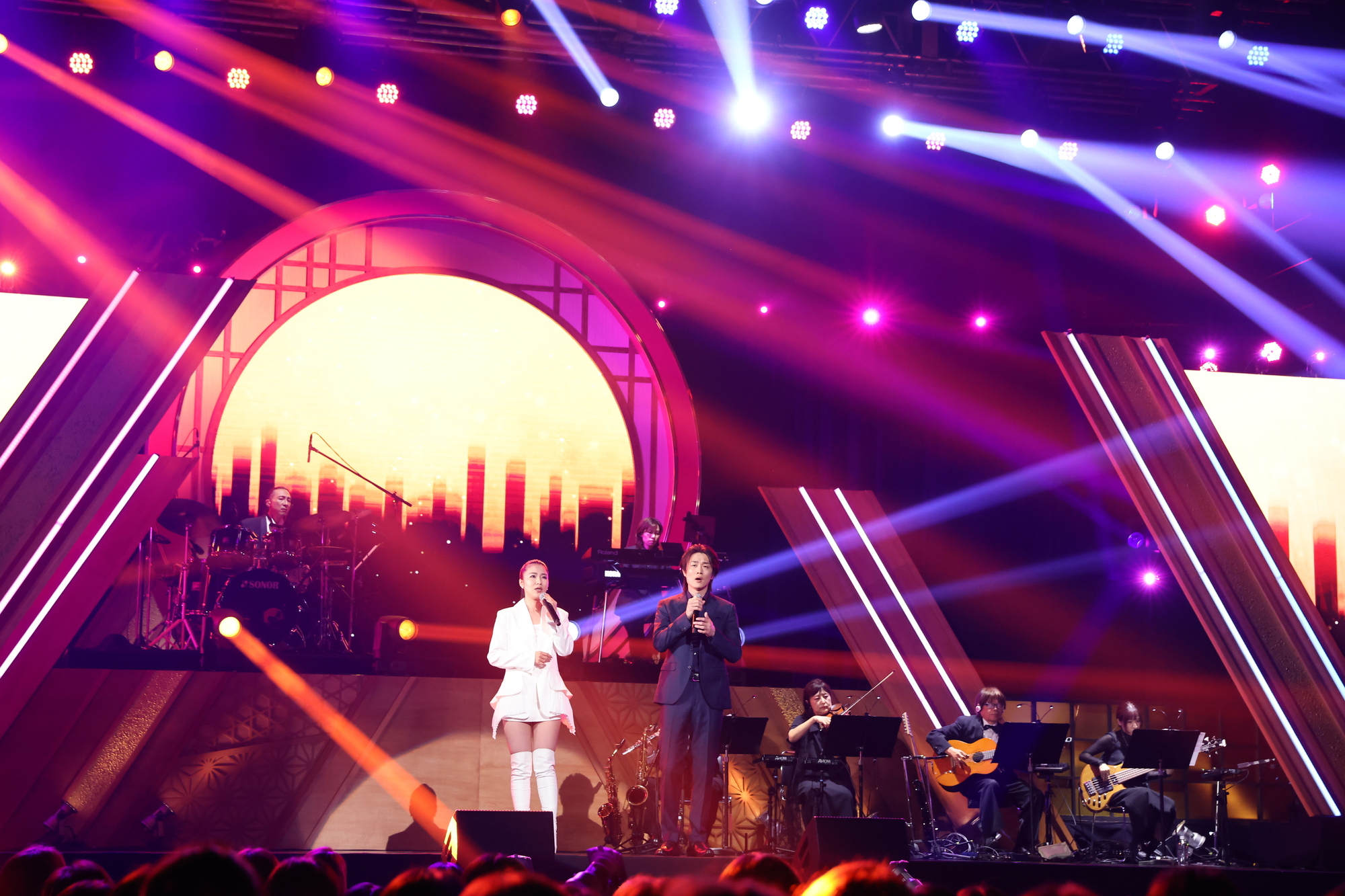
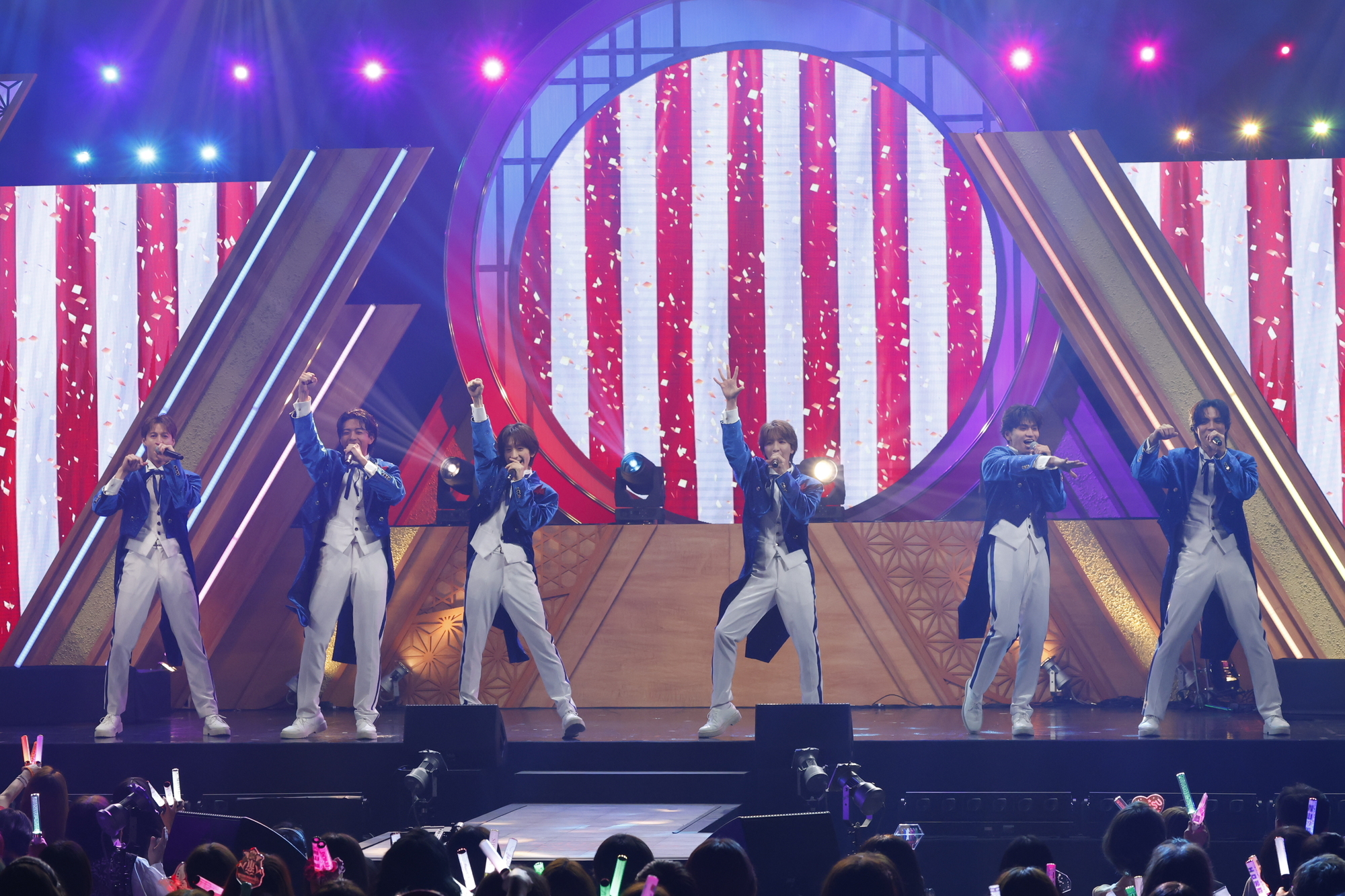
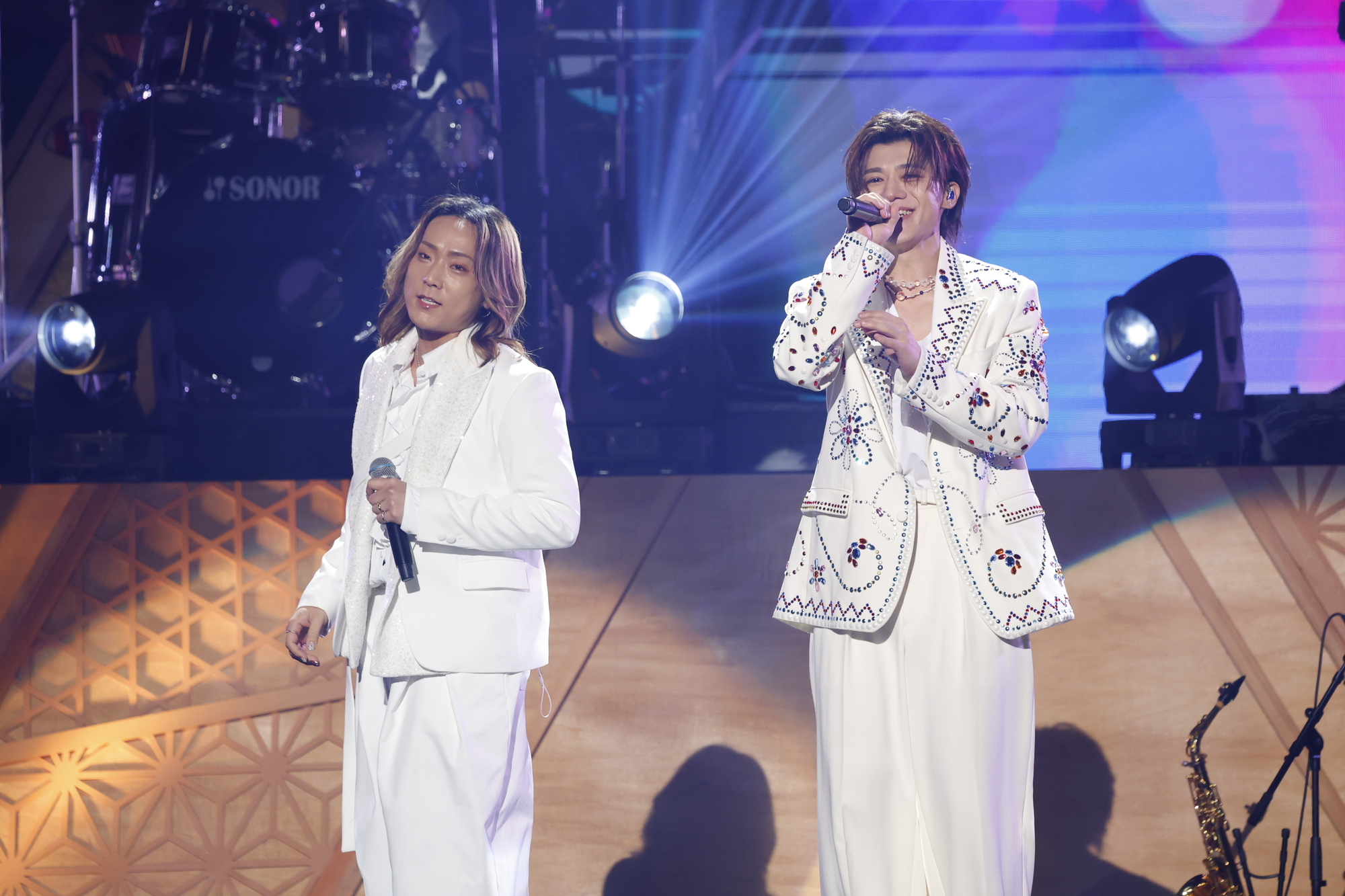
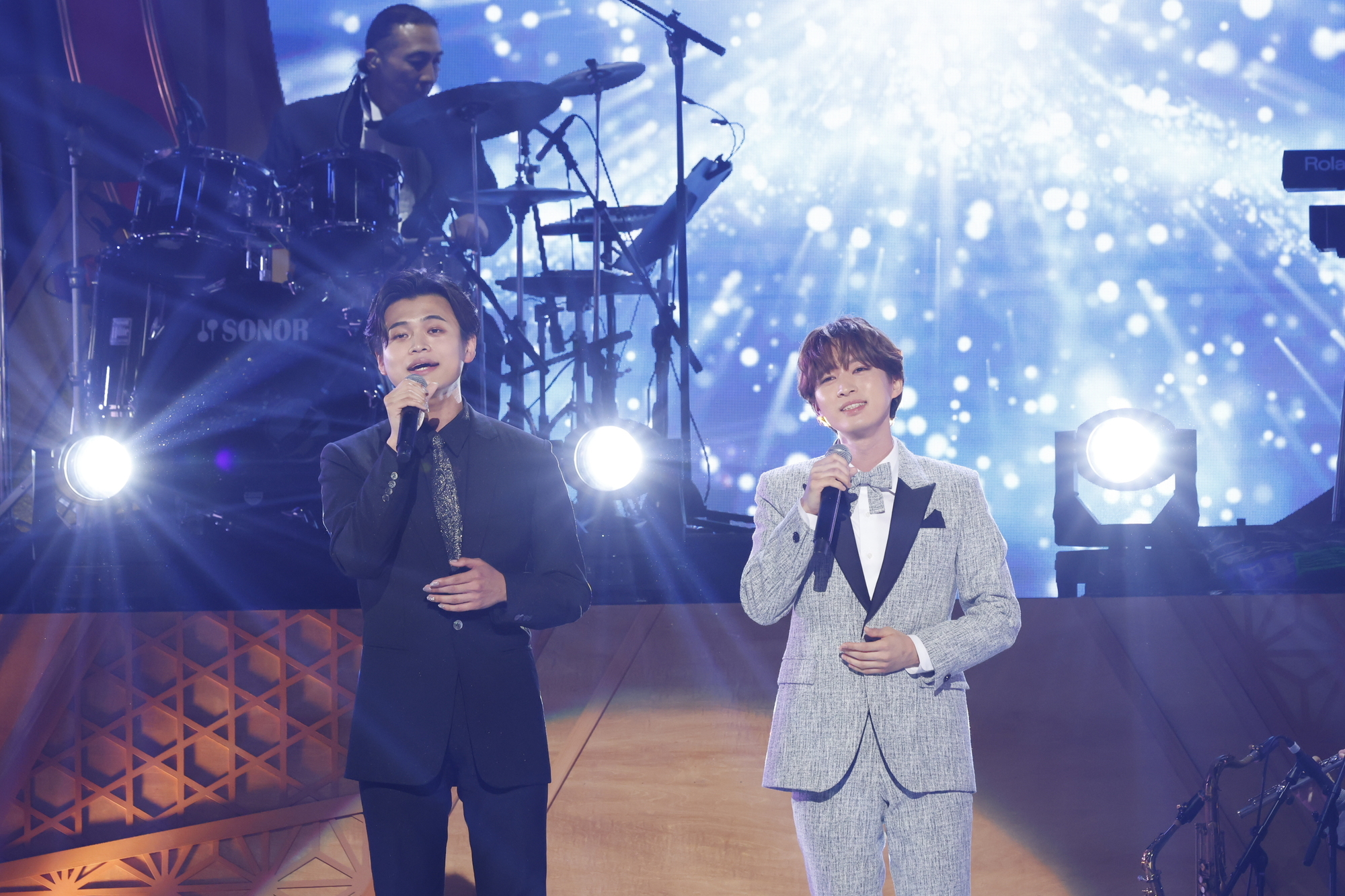
In the segment featuring songs from the Showa era, Junretsu sang "Bulldog," before Tanaka Aimi joined the group to perform "Hoshi Furu Machikado," before MATSURI had the audience singing along to "Omatsuri Mambo." SHOW-WA then did "Southpaw," followed by Leon Niihama and Masaya (KaWang) singing "Kimi wa Bara yori Utsukushii." Then Sanada Naoki, Aoyama Shin, and KaWang joined forces to sing "Miagete Goran Yoru no Hoshi o," filling the venue with a famous Showa melody.
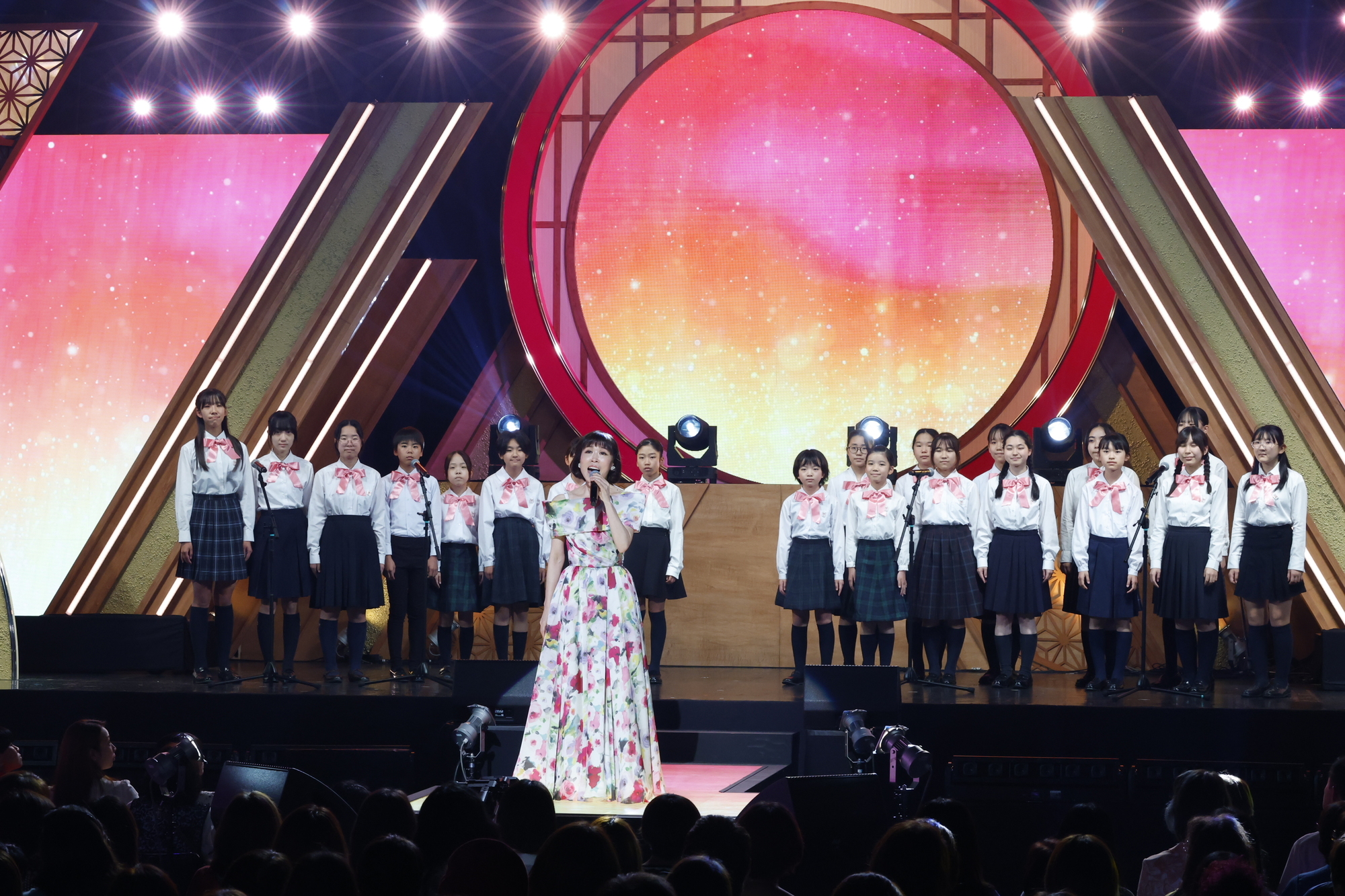
Kim Yeon-ja explained that "Korean trot music originated from Japanese enka," before singing "Kita no Yukimushi," and then performing "Kitaguni no Haru" with Futami Soichi. Ichikawa Yukino and Tatsumi Yuto's "Ippon-gatana Dohyo-iri" was a four and a half minute drama. Soichi Futami and Shin Aoyama cover Seiko Matsuda's "Ruri-iro no Chikyuu," while Kaori Mizumori and the choir Chor June Junior created a dramatic sonic world via Hibari Misora's "Ippon no Enpitsu." The spectacular collaborations continued with "Tsugaru Jongara Bushi" by SOME≡LINEZ which ignited a frenzy of excitement. It demonstrated just how dynamically Enka and Kayokyoku are evolving and engaging younger generations beyond Japan’s borders.
A Night Where a Gritty Journey Came to Fruition
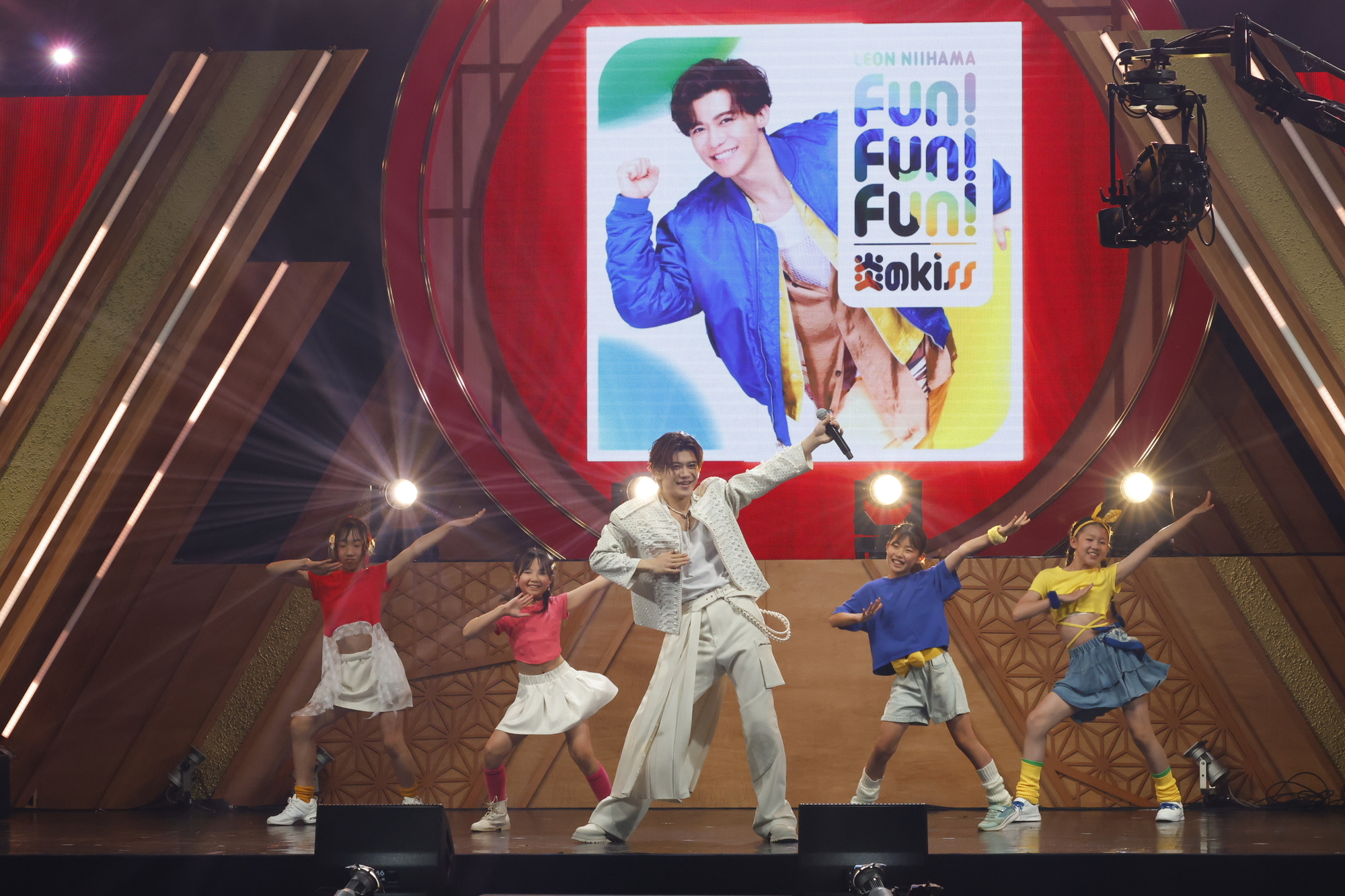
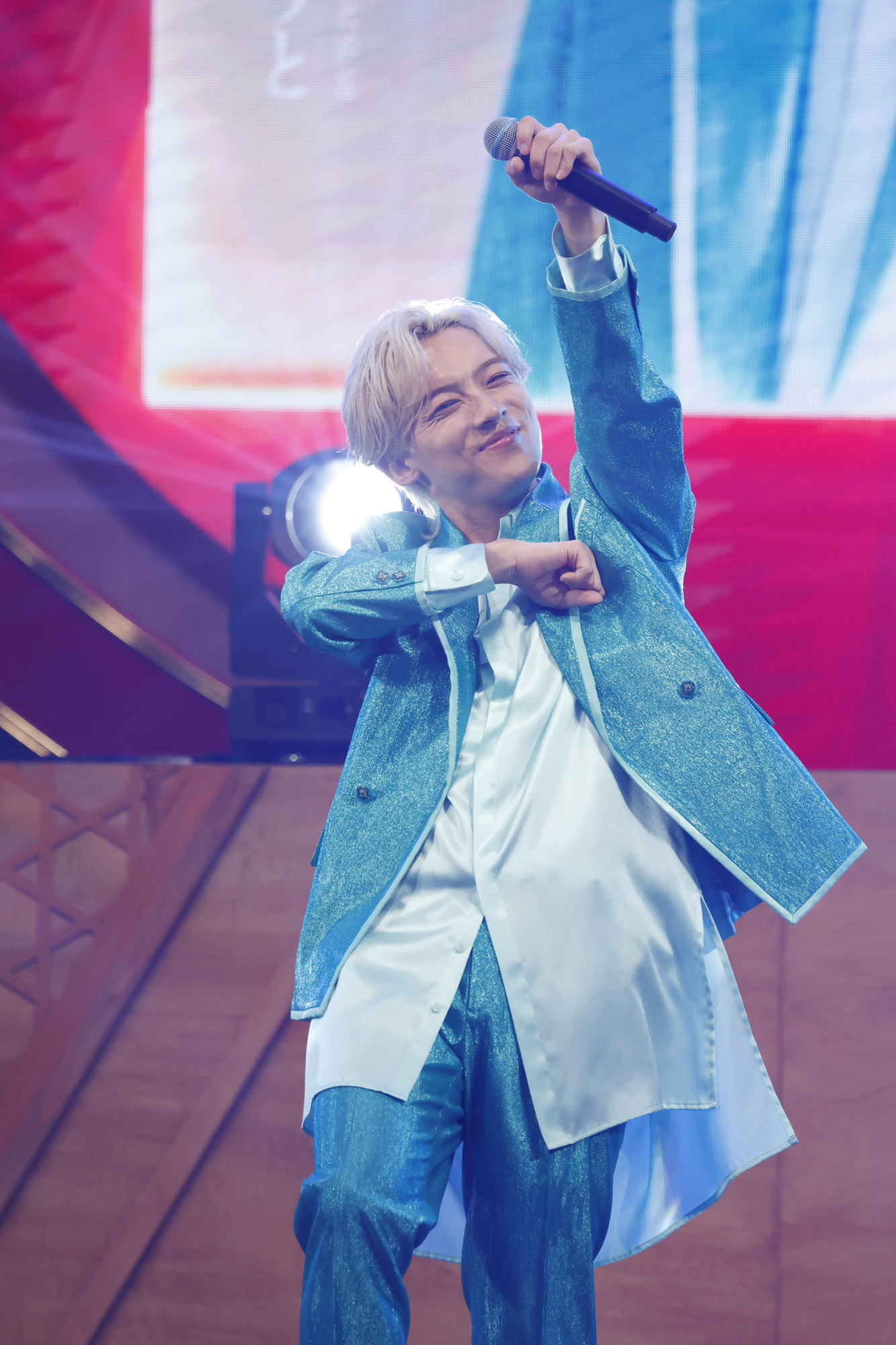
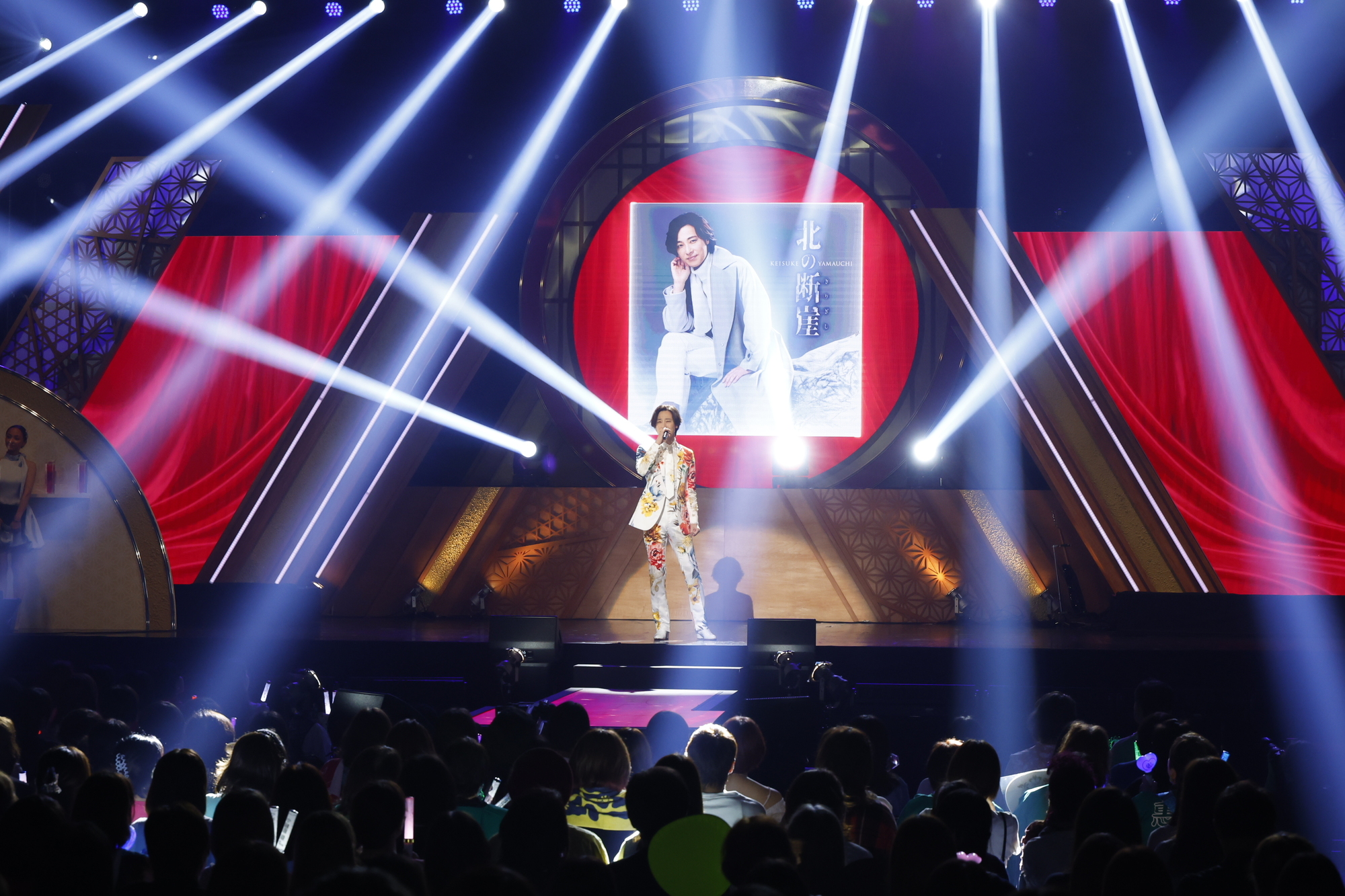
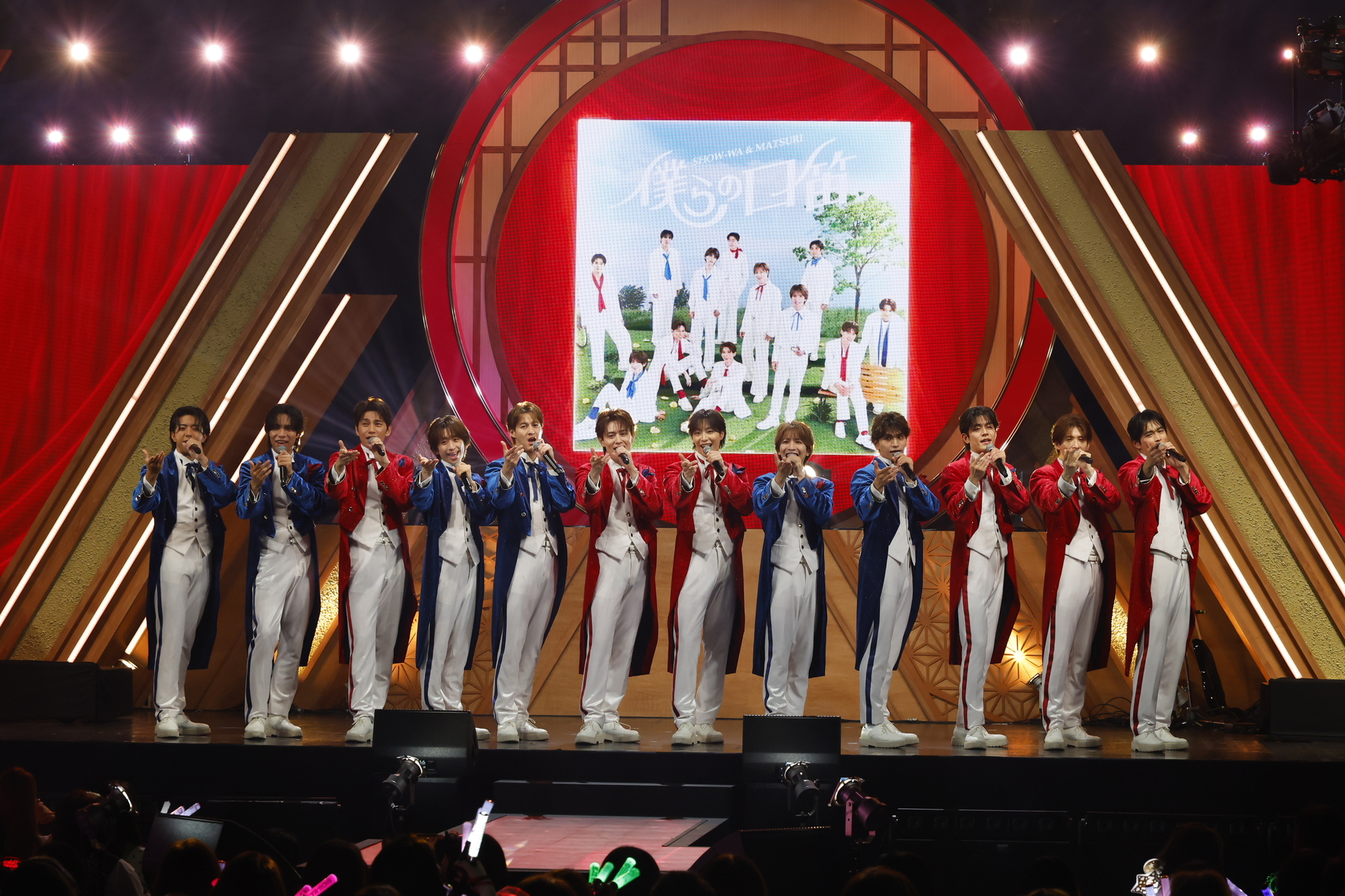
At this point, the nominees for the "BEST ENKA/KAYŌKYOKU SONG" award at MUSIC AWARDS JAPAN 2026 were announced once more, followed by even more performances. SHOW-WA sang "Hazusenai Pinky Ring," Leon Niihama performed "Fun! Fun! Fun!," Yuto Tatsumi sang "Unmei no Natsu," Keisuke Yamauchi performed "Kita no Dangai," and SHOW-WA & MATSURI sang "Bokura no Kuchibue."
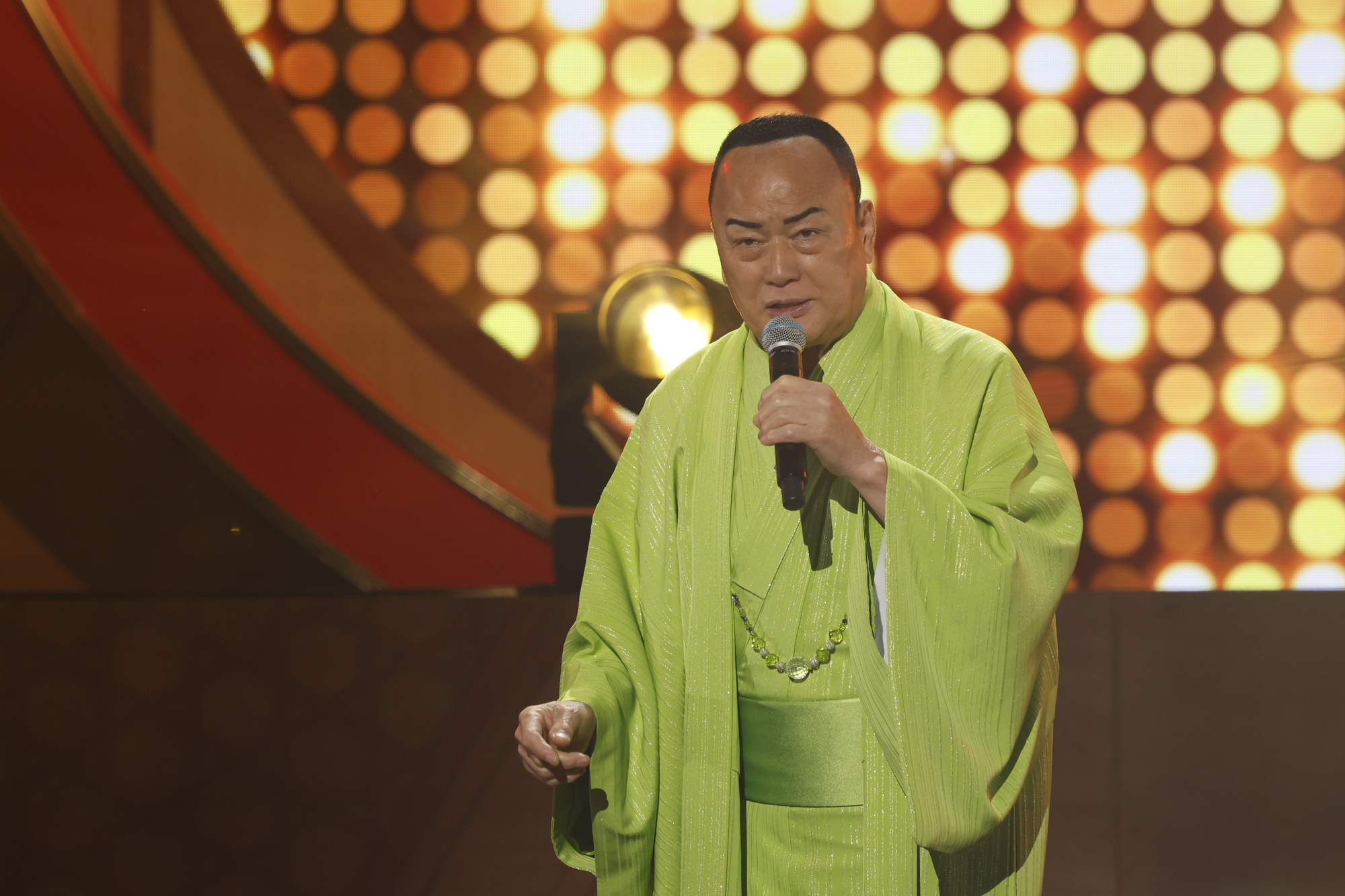
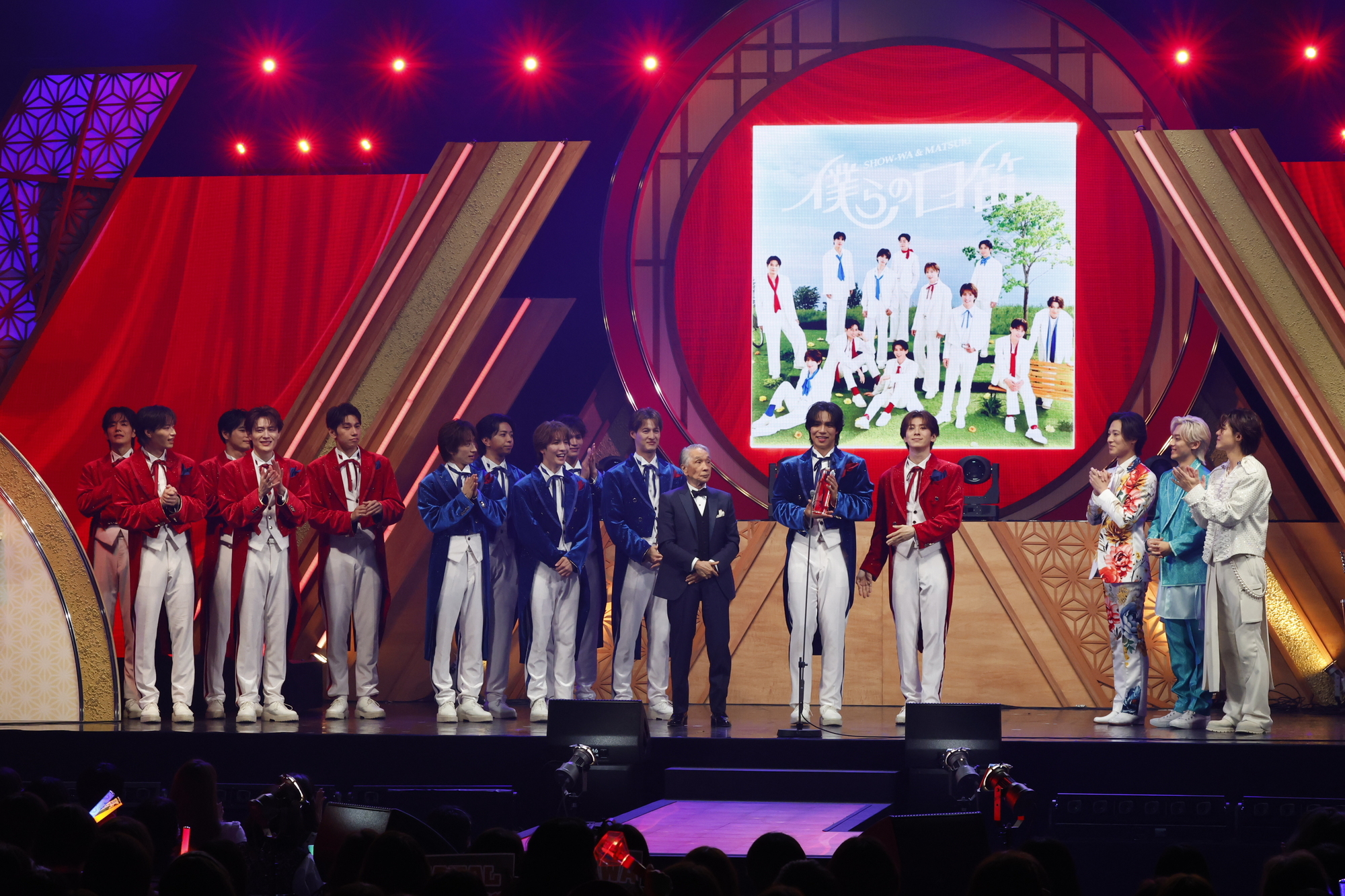
Masaaki Sakai then took the stage to present the prestigious "BEST ENKA/KAYŌKYOKU SONG" award. His commanding presence and witty banter instantly charmed the audience. Then Sakai announced the winner: "Bokura no Kuchibue" by SHOW-WA & MATSURI. The moment their name was called, a thunderous roar of cheers and applause erupted from the audience. Produced by Yasushi Akimoto, the group had worked to revive Showa-era popular music with modern rhythms. Representing the twelve members, Yuki Yanagida of MATSURI accepted the gleaming red trophy.
After receiving "THE RUBY" from Sakai, Shinjiro Terada of SHOW-WA expressed his overflowing joy, saying, "I am deeply honored to have been selected for the "BEST ENKA/KAYŌKYOKU SONG" award amidst such wonderful artists."
“Bokura no Kuchibue” features a melody that is refreshing yet tinged with melancholy. Their raw vocals hit listeners hard with emotion. All of these singers possess more than just vocal skill; they infuse every word with their life experiences, striking straight into the listener’s heart.
Legend Saburo Kitajima
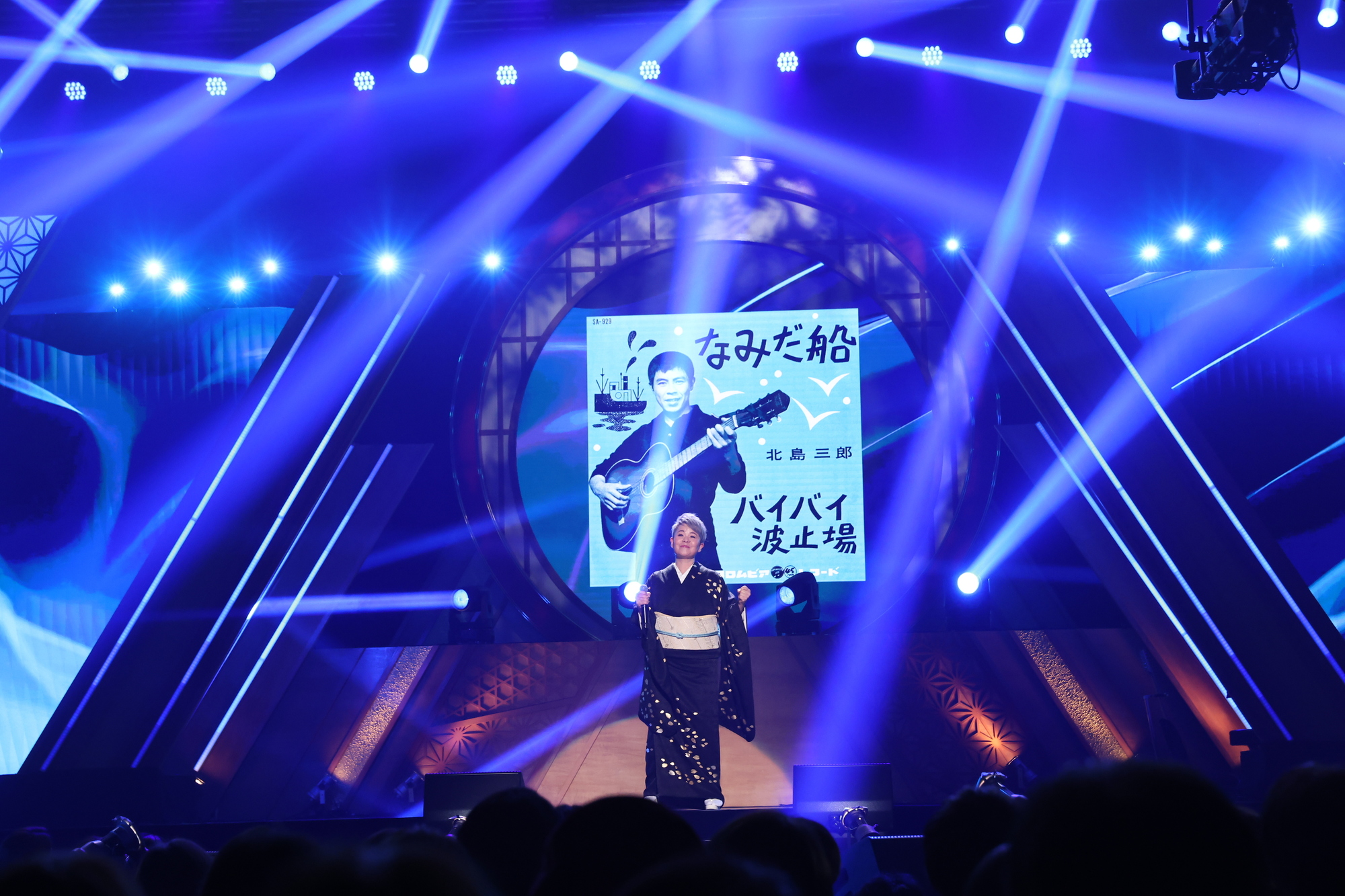
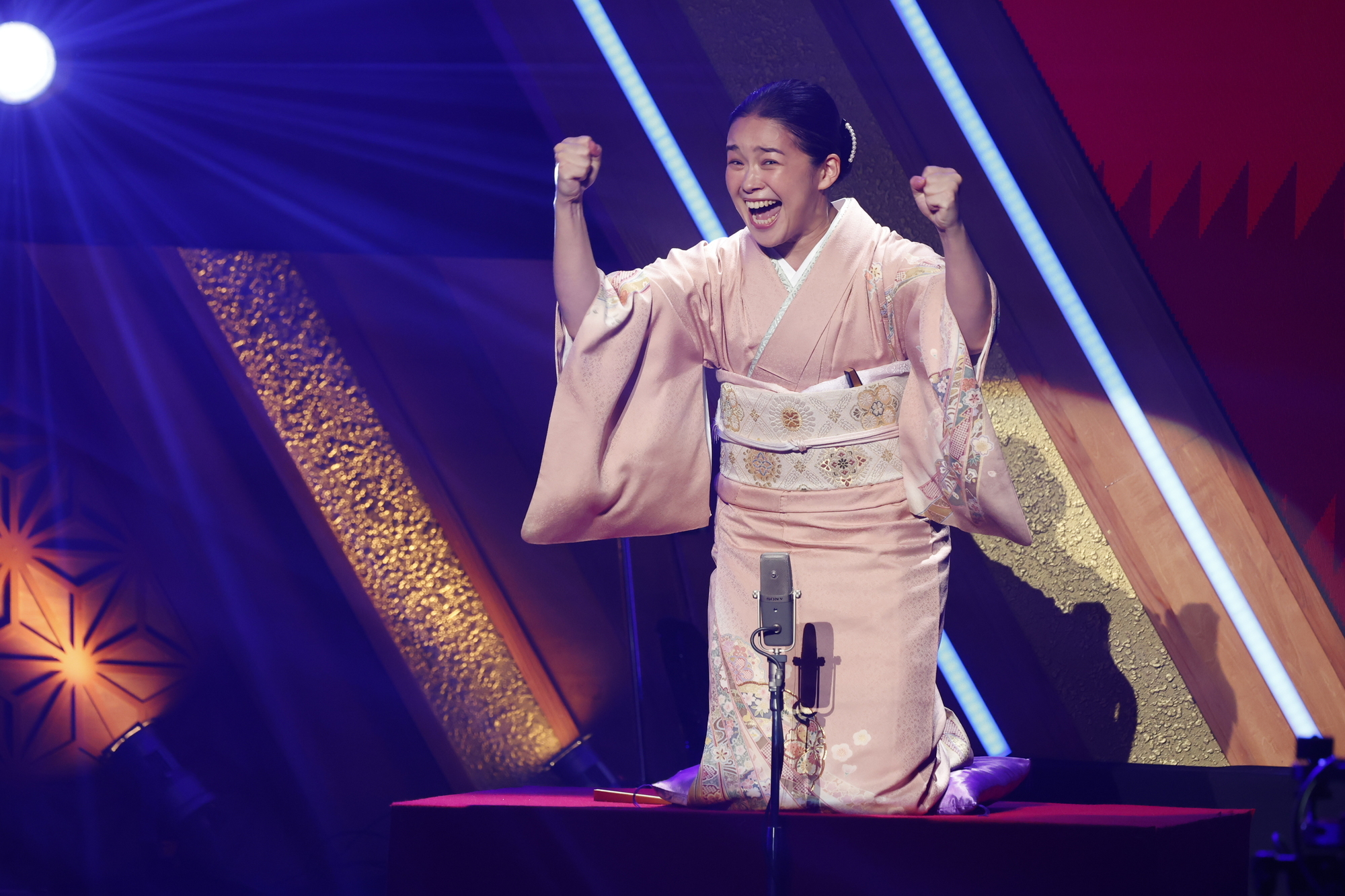
Saburo Kitajima, a true treasure of the Enka world, was presented with the "Special Achievement Award," an honor bestowed for the first time at the "MAJ Enka & Kayokyoku LIVE" event. This became a major highlight of the evening, a historic moment destined to be deeply etched in the history of Japanese music. Female storyteller Tsuruko Hayashiya recounted Kitajima’s life story in a performance titled "Saburo Kitajima: Gratitude for Encounters"; her skillful storytelling traced the journey of this Enka legend, beautifully complemented by Aya Shimazu’s rendition of Kitajima’s song "Namida-bune." The moment Kitajima himself appeared on stage, the atmosphere in the venue transformed instantly.
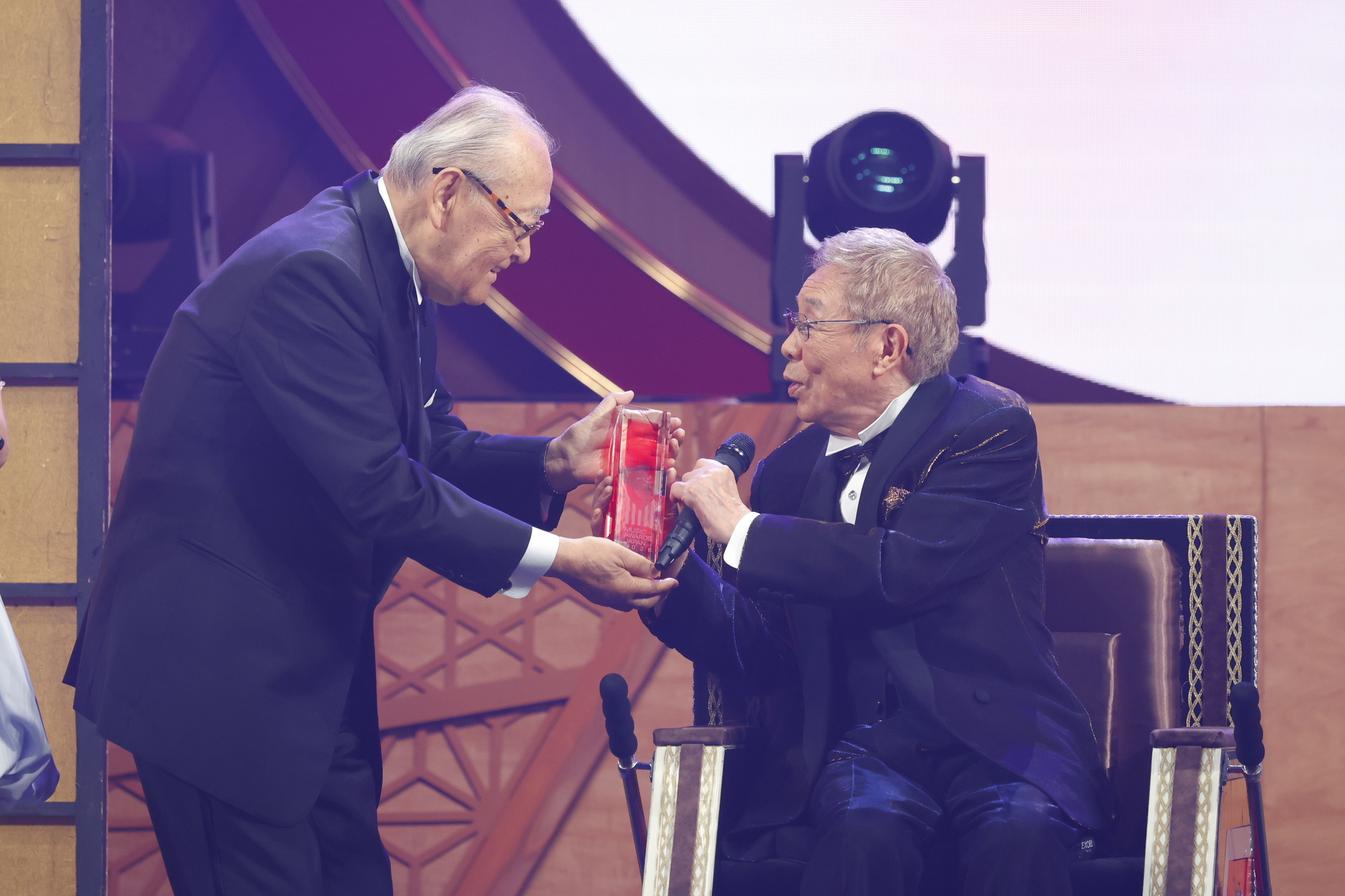
Everyone rose to their feet, offering thunderous applause. At the center of it all, seated and clutching the microphone, Kitajima slowly but firmly spoke: "It has been nearly ninety years since I began this journey. Yet, it has been a single, unwavering path. I have been supported and aided by so many of you, and to receive an honor such as this — thank you."
These were the words of a man who had devoted his long life wholeheartedly to the singular path of song. There was not a trace of arrogance in his demeanor; instead, there was profound gratitude toward those who had supported him, and the awe-inspiring intensity of a seeker dedicated to continuing his musical journey. Younger generations of performers looked up to him, with tears and fierce determination in their eyes, hoping to one day follow in the footsteps of this great figure.
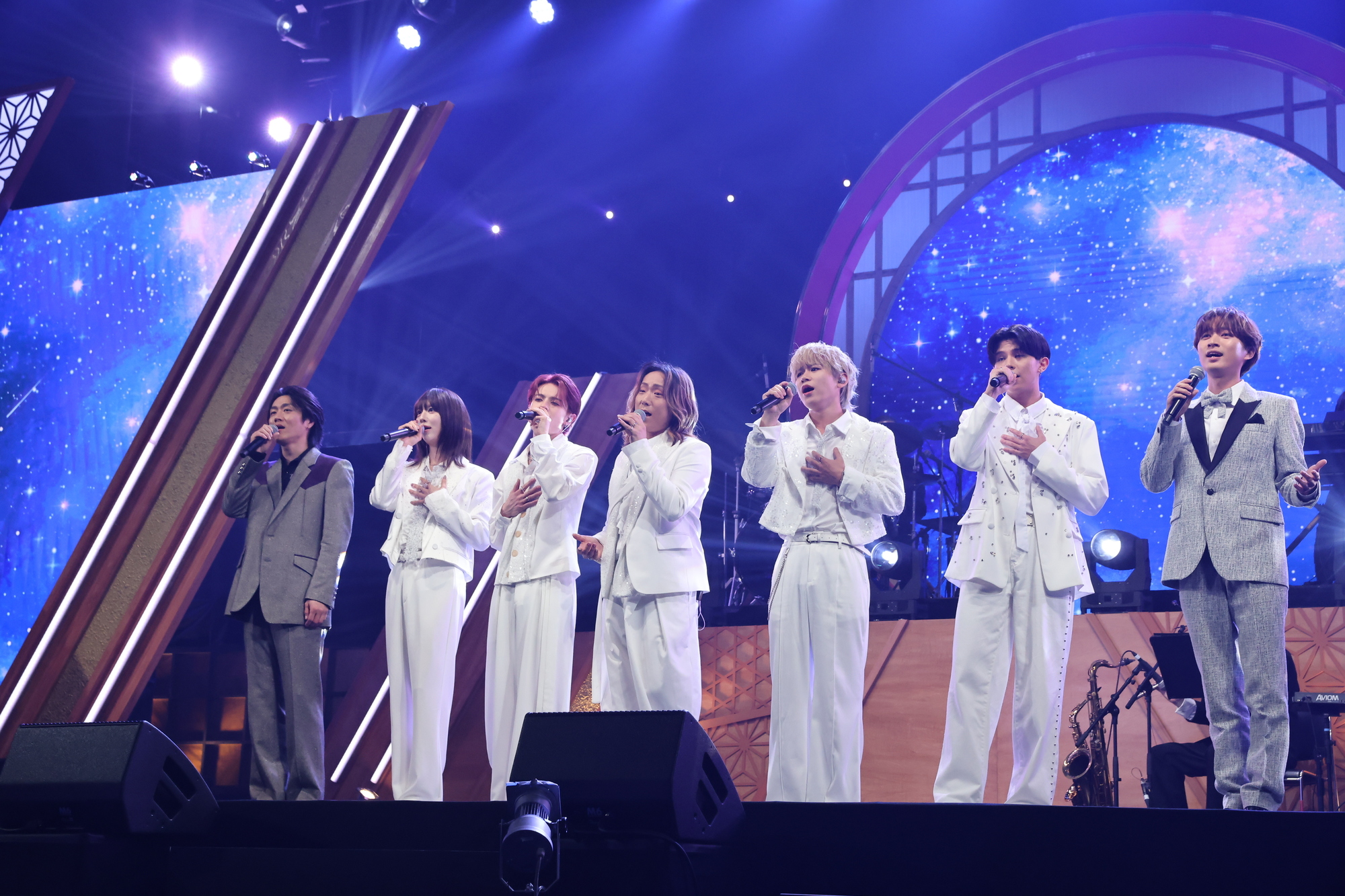
Then, at Kitajima’s signal, the night’s finale began. The song performed was, of course, that anthem of the Japanese soul: "Matsuri." All the performers on stage gathered around Kitajima to commence the last performance of the evening.
This night was partially a walk down memory lane, honoring all of the artists who have played a hand in Japanese music history. Now, the torch has been passed to the younger generation led by groups like SHOW-EA and MATSURI. No matter how times change, songs that resonate with the human heart remain constant, forever etched into music history. Amidst the thunderous, unending applause, the future of Japanese music seems cemented by the history of success.
Text by / Hisakatsu Tanaka Photo by Sayaka Aoki(PROGRESS-M)、Chie Kato(CAPS)