Going Global: What Japanese Artists Need to Know About Showcases and Festivals | CEIPA × TOYOTA GROUP MUSIC WAY PROJECT Professional Seminar
On August 18, the CEIPA × TOYOTA GROUP MUSIC WAY PROJECT Professional Seminar Community Workshop 2nd Edition (Showcases & Festivals), Supported by YouTube, an open seminar for music industry professionals, was held at Google’s offices in Shibuya Stream, Tokyo.
The Professional Seminar series was launched in 2025 as part of MUSIC WAY PROJECT, a collaborative initiative aimed at expanding the global reach of Japanese music and fostering sustainable growth. Designed to facilitate knowledge sharing and networking for artists looking to expand internationally, this year’s program is being held throughout the year in three formats: the seminar-based Flagship Series; Community Workshops, centred on discussion and exchange among participants; and Intensive Workshops, offering more advanced, hands-on learning.
Following the first Community Workshop on music catalogs in April, the second edition focused on showcases and festivals. Drawing on their own experiences, industry experts shared practical insights into the realities of international showcase events and music festivals, as well as how artists can approach these opportunities to build their global presence.
YouTube as an Essential Platform for Global Reach and a Strategic Approach to the GRAMMY Awards
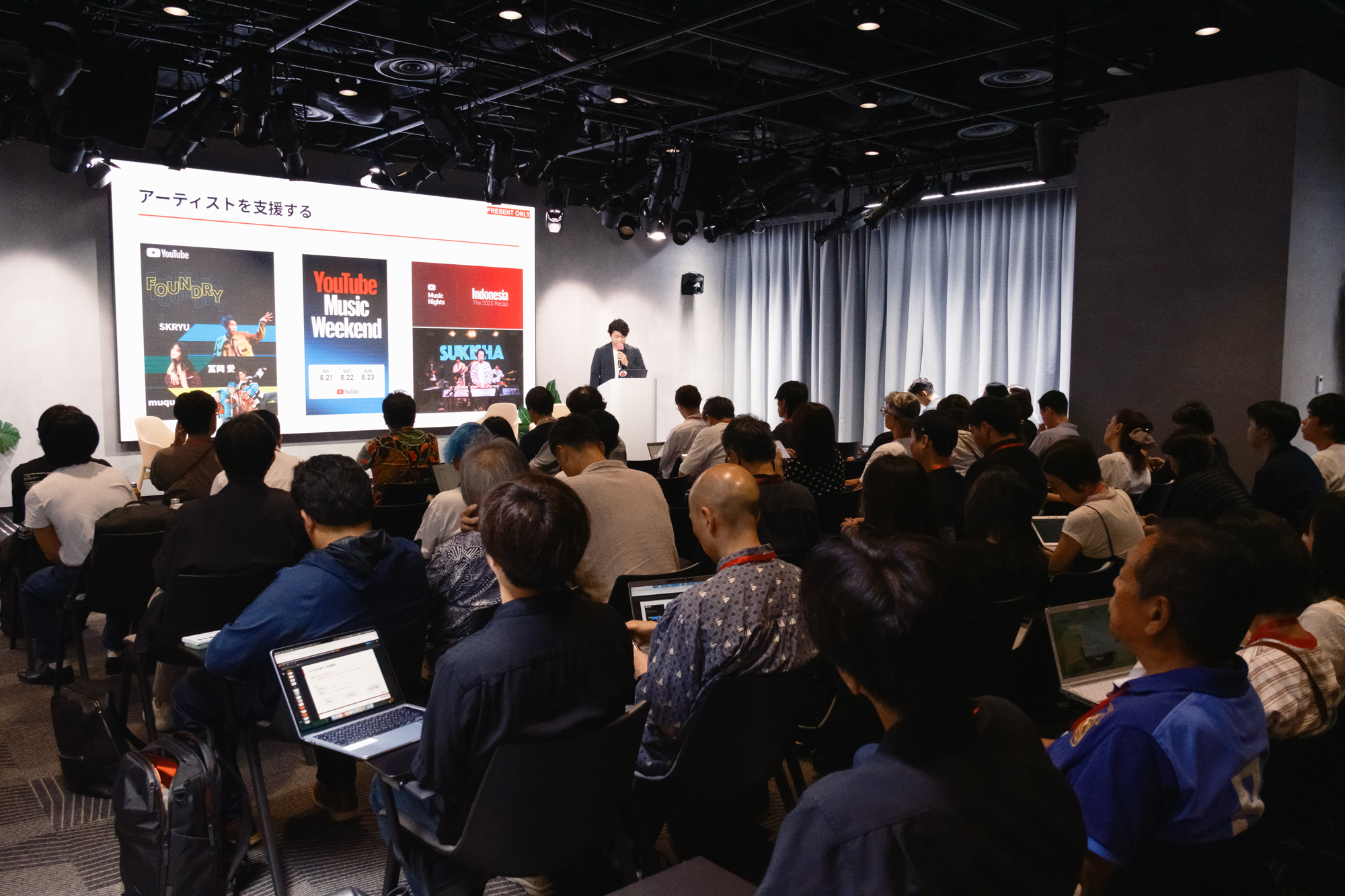
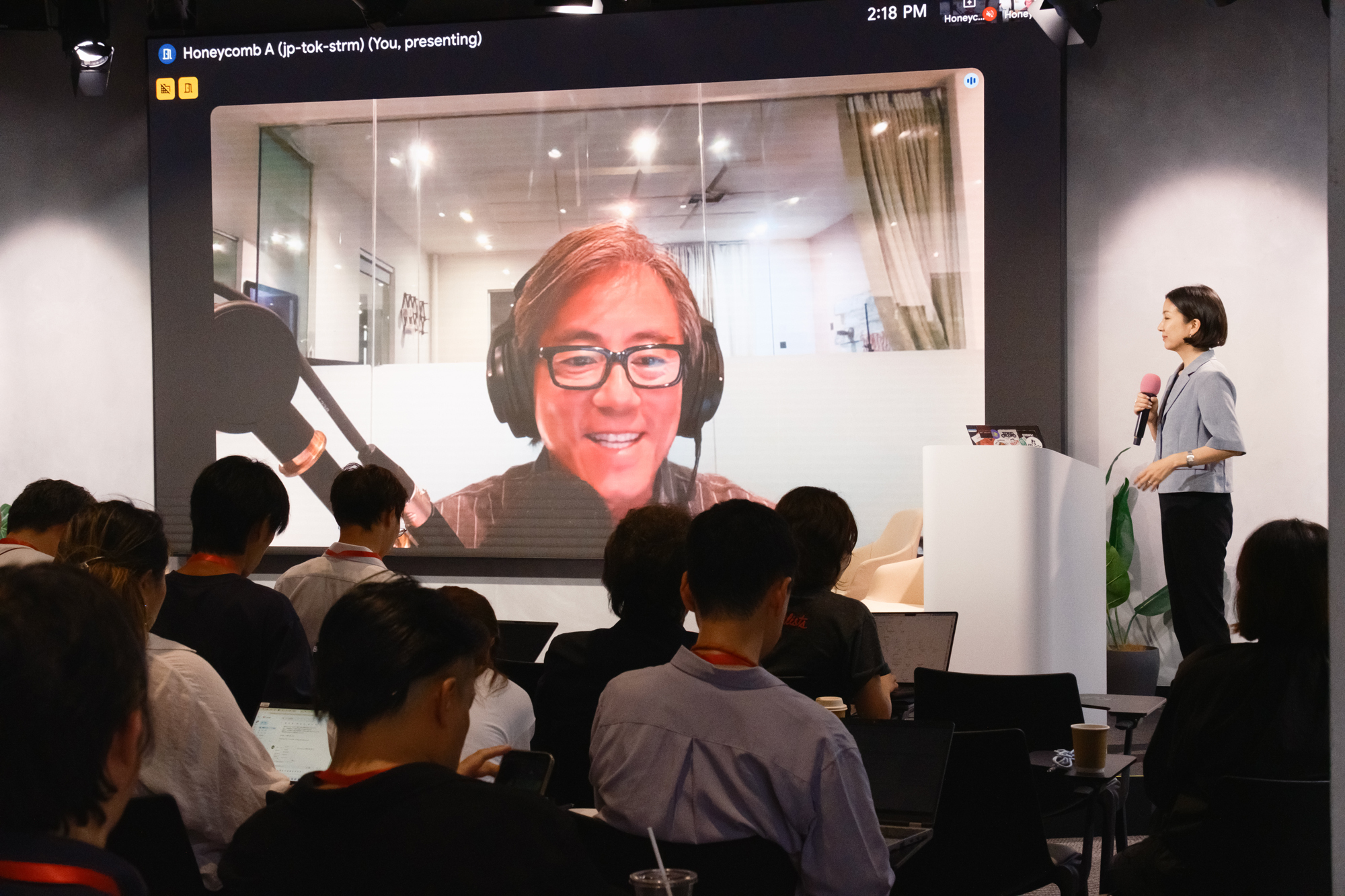
Ahead of the main session, Yudai Kai of the YouTube Music team gave a presentation, followed by a remote interview with Kimitaka Kato, CEO of Project Asteri. Kai discussed the current state of YouTube Music and its contribution to the music industry, emphasising YouTube’s role as essential infrastructure for reaching audiences around the world. The company provides strong support for artists through initiatives including its emerging artist development program Foundry, the online festival YouTube Music Weekend, and the showcase event YouTube Music Night. It is also actively pursuing technological innovations to protect artists’ rights, including stronger measures against the misuse of generative AI.
Kato, who is based in Los Angeles and works to support the international expansion of Japanese music, has in recent years been involved in research and advocacy aimed at increasing recognition of Japanese artists at the GRAMMY Awards. He described the introduction of a Best Asian Pop Performance category in 2027 as a major opportunity for Japan’s music industry, arguing that artists need to strategically identify which categories to target and run effective campaigns to capture the attention of voting members. Comparing the process to an election campaign, Kato said that steadily building recognition in international markets through activities such as collaborations with other artists and festival appearances can ultimately help translate that awareness into votes.
“70% of a Showcase Is Decided Before You Even Get There”
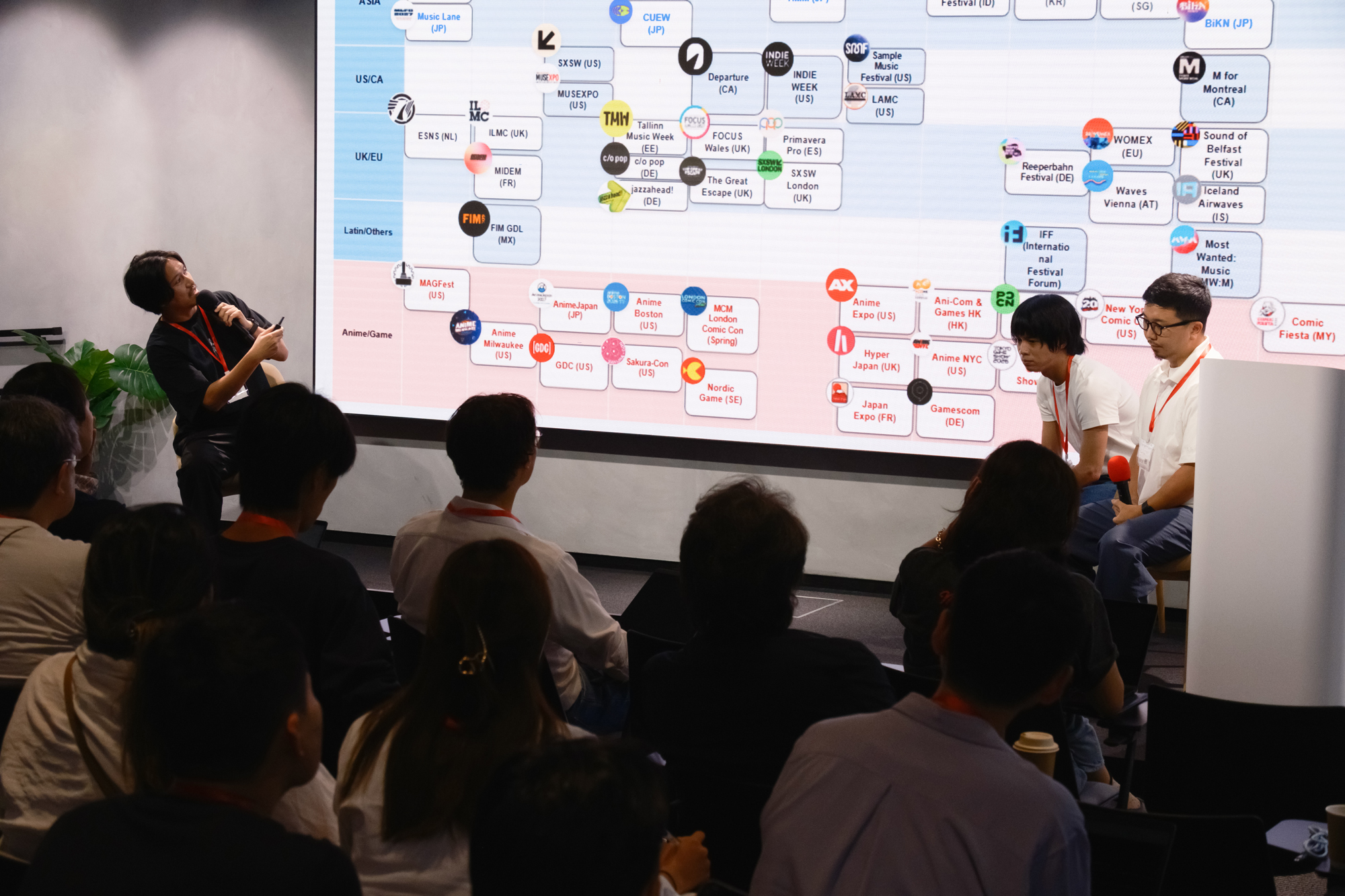
The main session that followed was divided into three parts. The first featured Yuta Nomura, CEO of SHIN Inc.; artist SOMAOTA (MC / Black petrol); and Yukihiro Tada of Sony Music Entertainment, who manages Black petrol. Together, they discussed how artists can make the most of showcase events.
While conventional music festivals are primarily aimed at fans, showcases are B2B events geared towards industry professionals, or delegates, such as booking agents and promoters. Performances themselves are typically short, lasting just 20 to 30 minutes, and artists generally do not receive a performance fee. The real purpose, however, lies in networking that can lead to future deals and bookings. Nomura described showcases as having three core components: conferences, live performances and networking, stressing that the performance itself accounts for only one third of the overall experience. “70% of a showcase is decided before you even get there,” he said, underscoring the importance of setting clear objectives and preparing in advance.
As a case study, the speakers discussed Kyoto-based experimental jazz band Black petrol, whose energetic performance at Bangkok Music City in Thailand led to multiple offers to perform internationally. Frontman SOMAOTA explained that the band actively looked for ways to make a lasting impression at the showcase, from using call-and-response techniques that could transcend language barriers to approaching organisers directly.
Tada, who manages the band, also stressed that what happens beyond the event itself, including connecting with local artists and conducting research in advance, can be crucial to success. With budgets often limited, he argued that it would be a missed opportunity to travel overseas for just a single performance, encouraging artists and their teams to make the most of every showcase trip.
Case Studies in International Festival Expansion and Key Contract Considerations
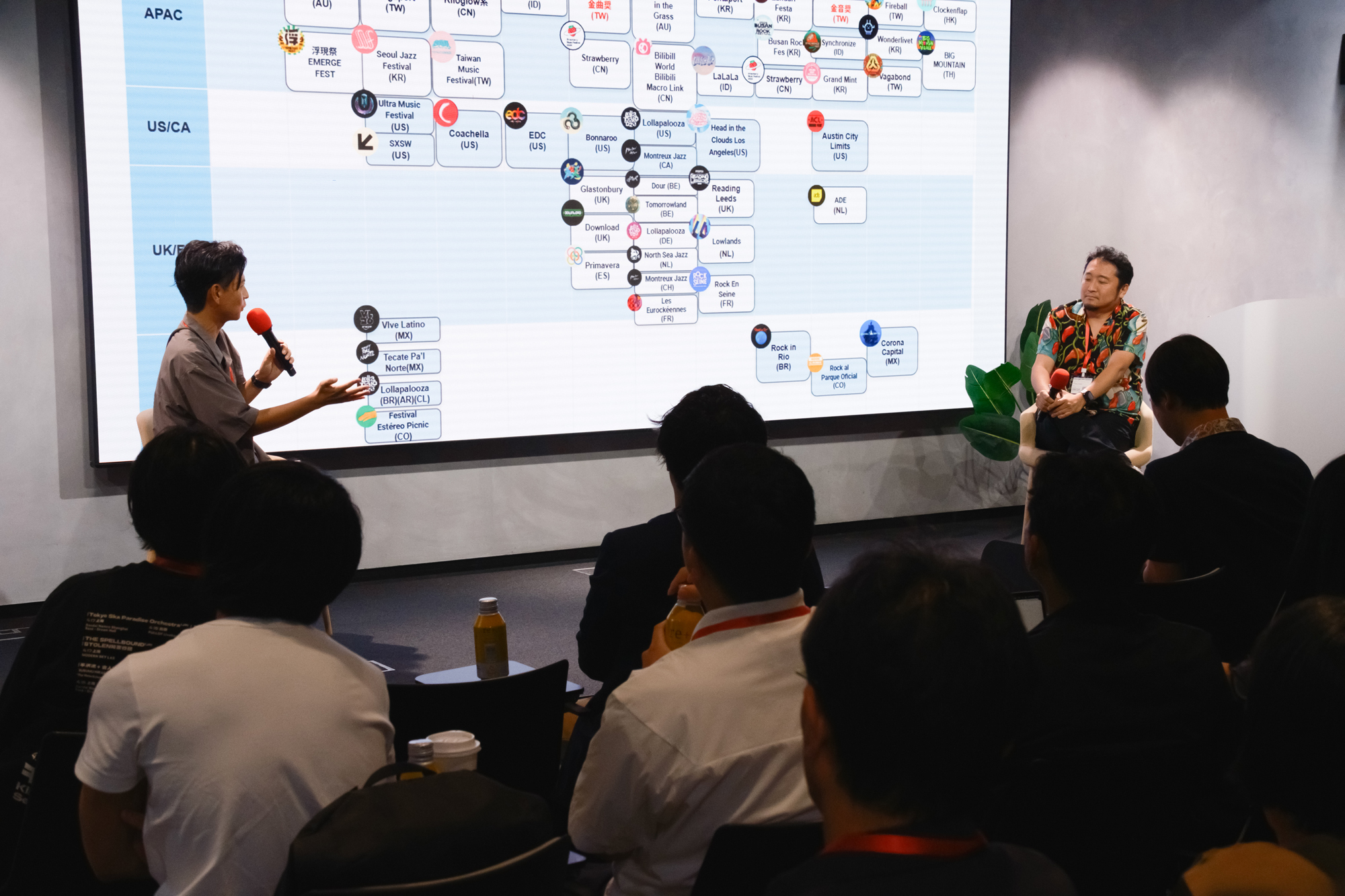
The following session focused on music festivals, featuring Shotaro Tsuda, editor-in-chief of festival media outlet Festival Life, and Kotaro Kawai of Sony Music Entertainment, who has worked on the international expansion of artists including CHAI, Creepy Nuts and SPYAIR. The two examined the global festival landscape and case studies of Japanese artists breaking into international festivals.
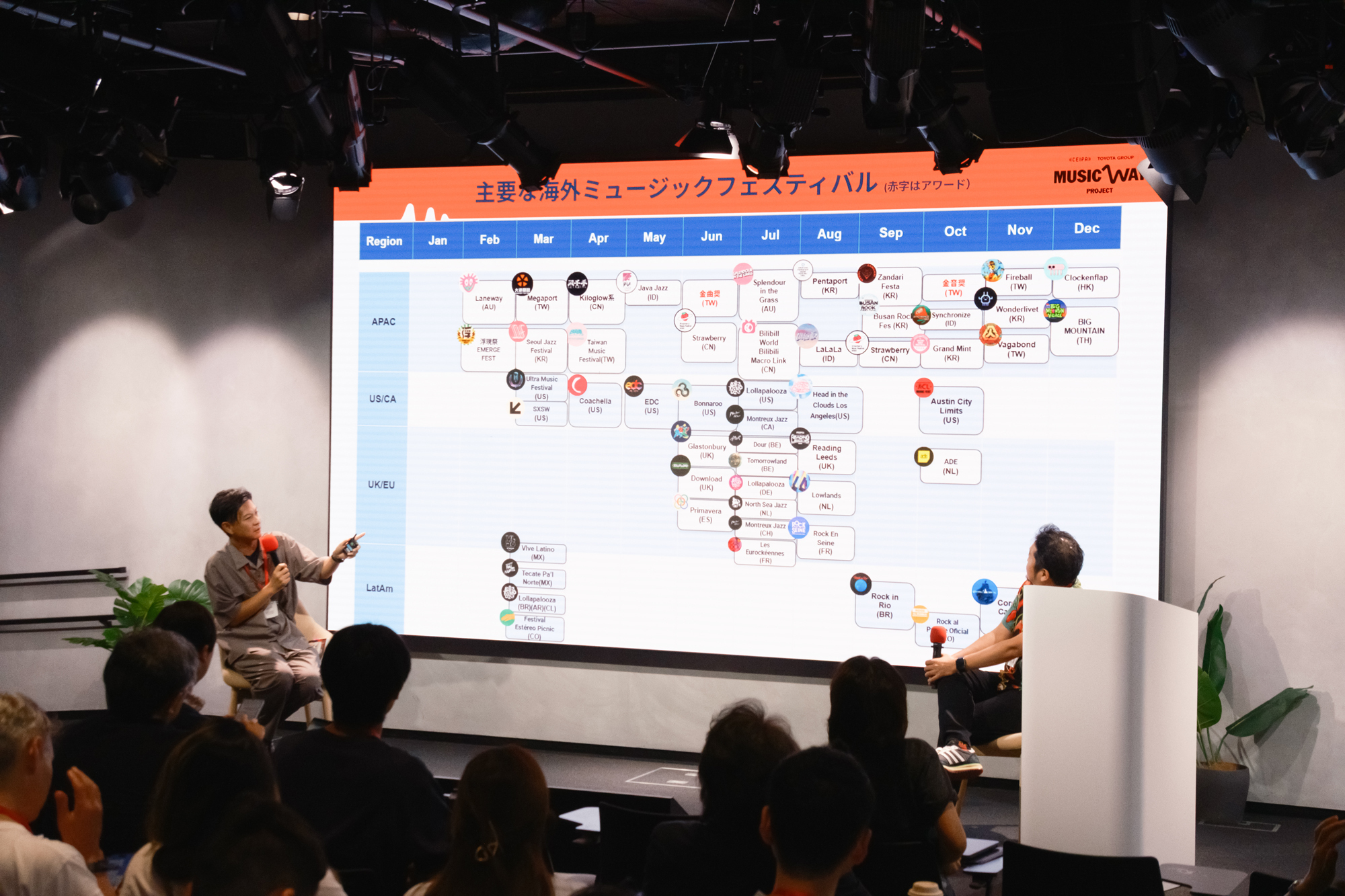
Tsuda began by outlining the annual cycle of major music festivals around the world, including the Coachella Valley Music and Arts Festival in the US, Glastonbury Festival in the UK and Primavera Sound Sao Paulo in Brazil. He explained that Asia has become an increasingly important focus for festival professionals worldwide. Reflecting on how Japan’s music scene has become significantly more connected to the global festival circuit since the pandemic, Tsuda pointed to developments such as YOASOBI’s first appearance at Head In The Clouds in Indonesia in 2022 as helping accelerate the growing presence of Japanese artists at international festivals.
Kawai then shared examples of artists he has worked with and the different paths they have taken internationally. CHAI built their global presence through a grassroots, independent approach; Creepy Nuts built on the viral success of Bling-Bang-Bang-Born as part of a strategy that ultimately led to an appearance at Coachella; and SPYAIR have become a sought-after act at anime events around the world, propelled by the popularity of their anime theme songs.
Kawai also highlighted an important contractual consideration when playing international festivals: many agreements include exclusivity provisions, or radius clauses, that restrict artists from appearing at other festivals in the same region for a period of several months before and after the event. He stressed the importance of carefully reviewing contractual terms and building an international strategy around them to avoid unnecessary complications.
Building Relationships for International Growth
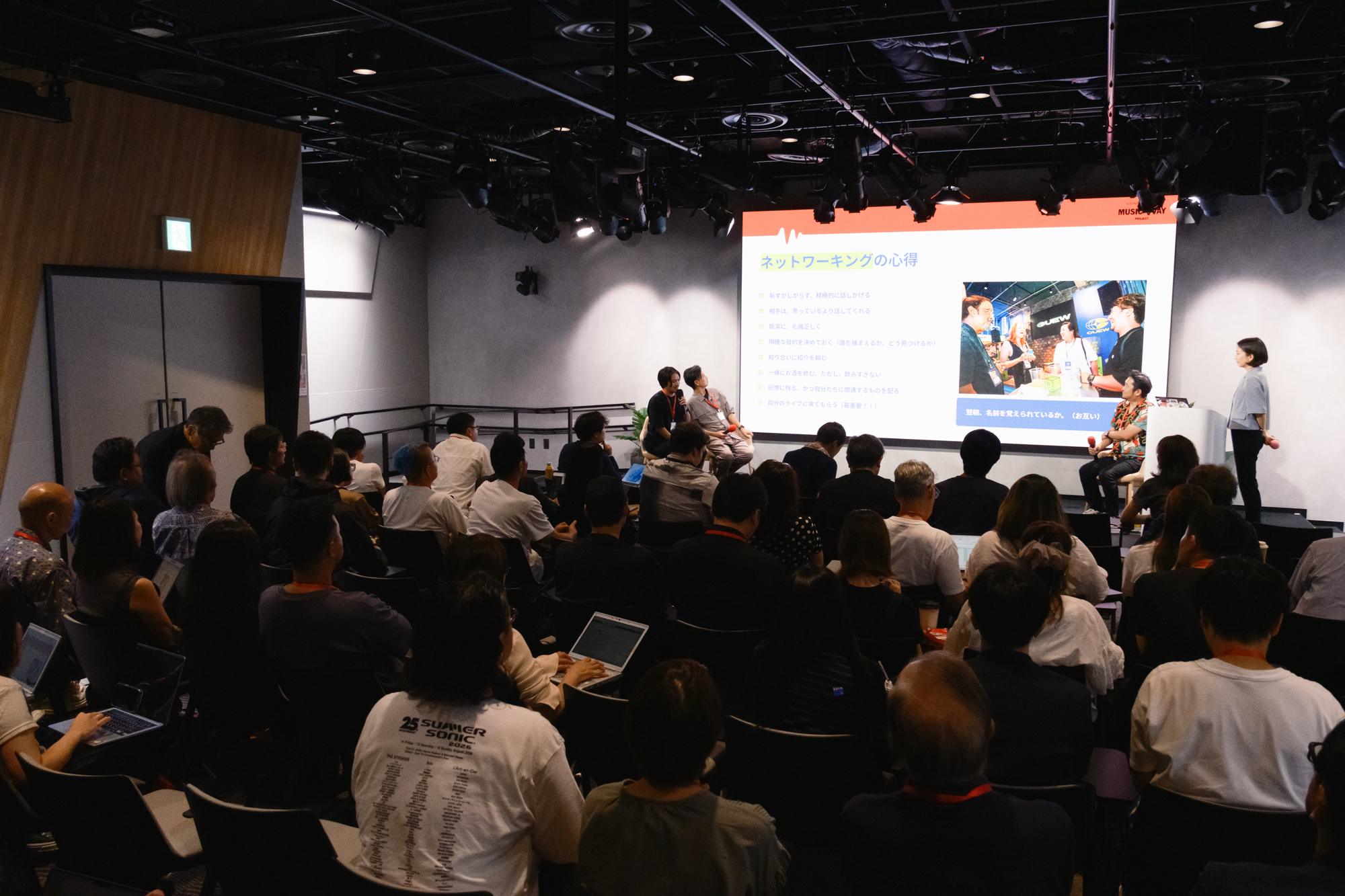
The final panel session brought together Nomura, Tsuda and Kawai to discuss practical approaches to networking and the mindset needed when building an international strategy. When communicating with industry professionals overseas, they stressed the importance of taking the initiative and not being afraid to start conversations. At the same time, networking should not simply be about extracting information from others. Building strong relationships requires offering information and insights that are valuable to the other person as well. The panel also agreed on the importance of finding ways to make a lasting impression, whether through distinctive artist outfits with strong visual impact or thoughtful giveaways that reflect Japanese culture.
Towards the end of the session, a survey of seminar participants was conducted as a new initiative. The results showed that around half had experience organising or taking part in music events overseas, yet roughly 70% of those respondents had not made use of public support programmes or grants. In response, Kawai noted that while grants can provide valuable support for international activities, the extensive administrative work involved in applications and reporting can place a significant burden on those managing the process. Depending on the amount of funding available, he added, the benefits may not always justify the labour involved.
Nomura, who organises the showcase and conference CUEW, also introduced showcase programs that present groups of Japanese acts to festivals in countries including England and the Czech Republic. He explained that in markets where approaching festivals individually can be difficult, presenting artists collectively can provide a more effective way to reach local delegates and audiences.
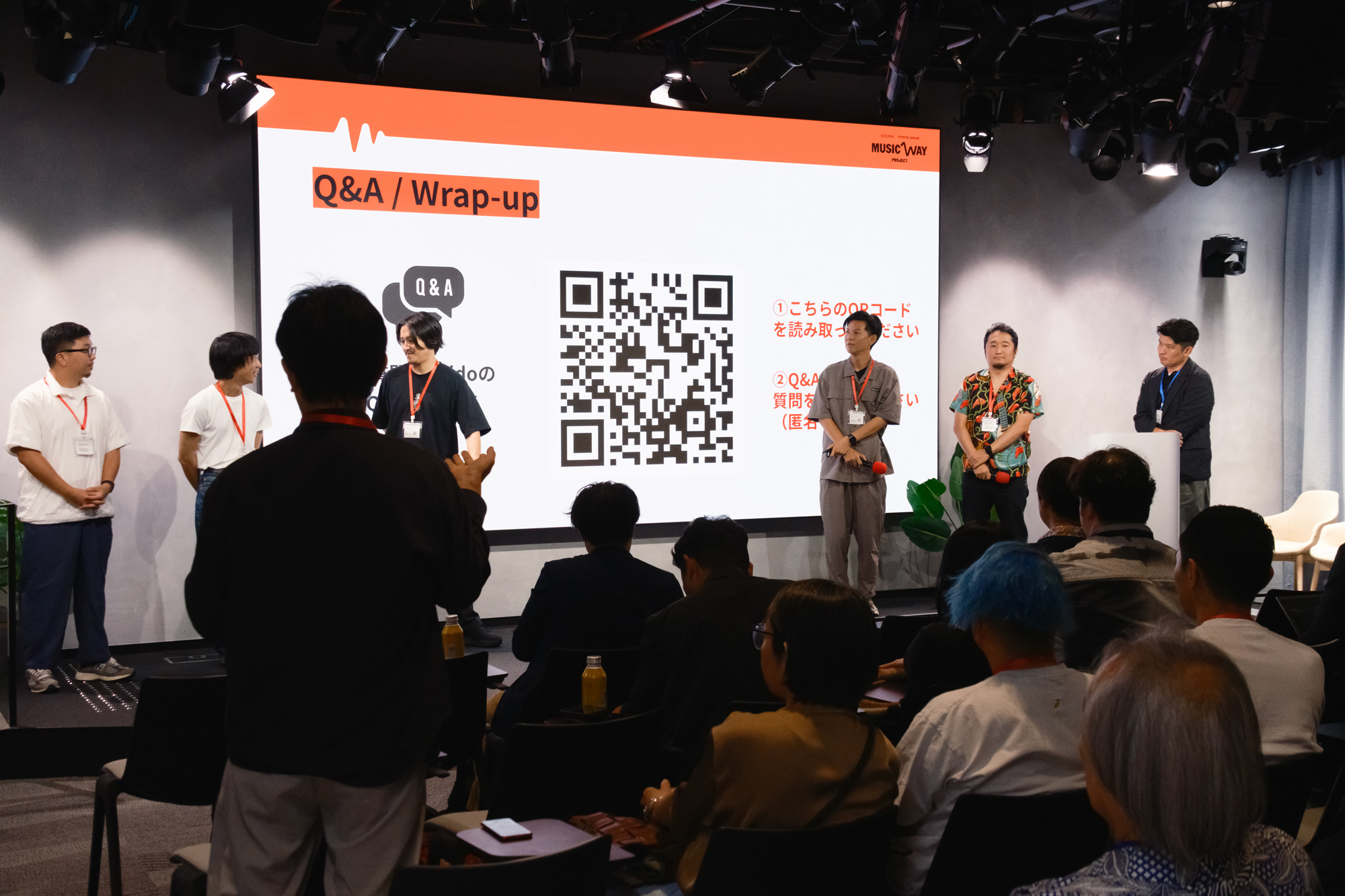
The seminar concluded with a Q&A and networking session, giving speakers and participants an opportunity to actively exchange ideas and information. The next Community Workshop, focusing on licensing, distribution and DSP pitching, will take place on November 6.