
Pushing Sound to Its Limits: Grand Prix Engineer Award Winner Musashi Maruyama on jjean’s “TFL”
MUSIC AWARDS JAPAN (MAJ), Japan's largest international music awards, was launched in 2025 by the Culture and Entertainment Industries Promotion Association (CEIPA), an organization established by five major Japanese music industry associations. Guided by the concept of “Connecting with the world, illuminating the future of music,” MAJ aims to bring Japan's music industry together and connect it with the global music community. Held this past June, MUSIC AWARDS JAPAN 2026 expanded on its inaugural edition with a total of 78 award categories, including those recognizing the behind-the-scenes professionals who support artists in their recordings and live performances.
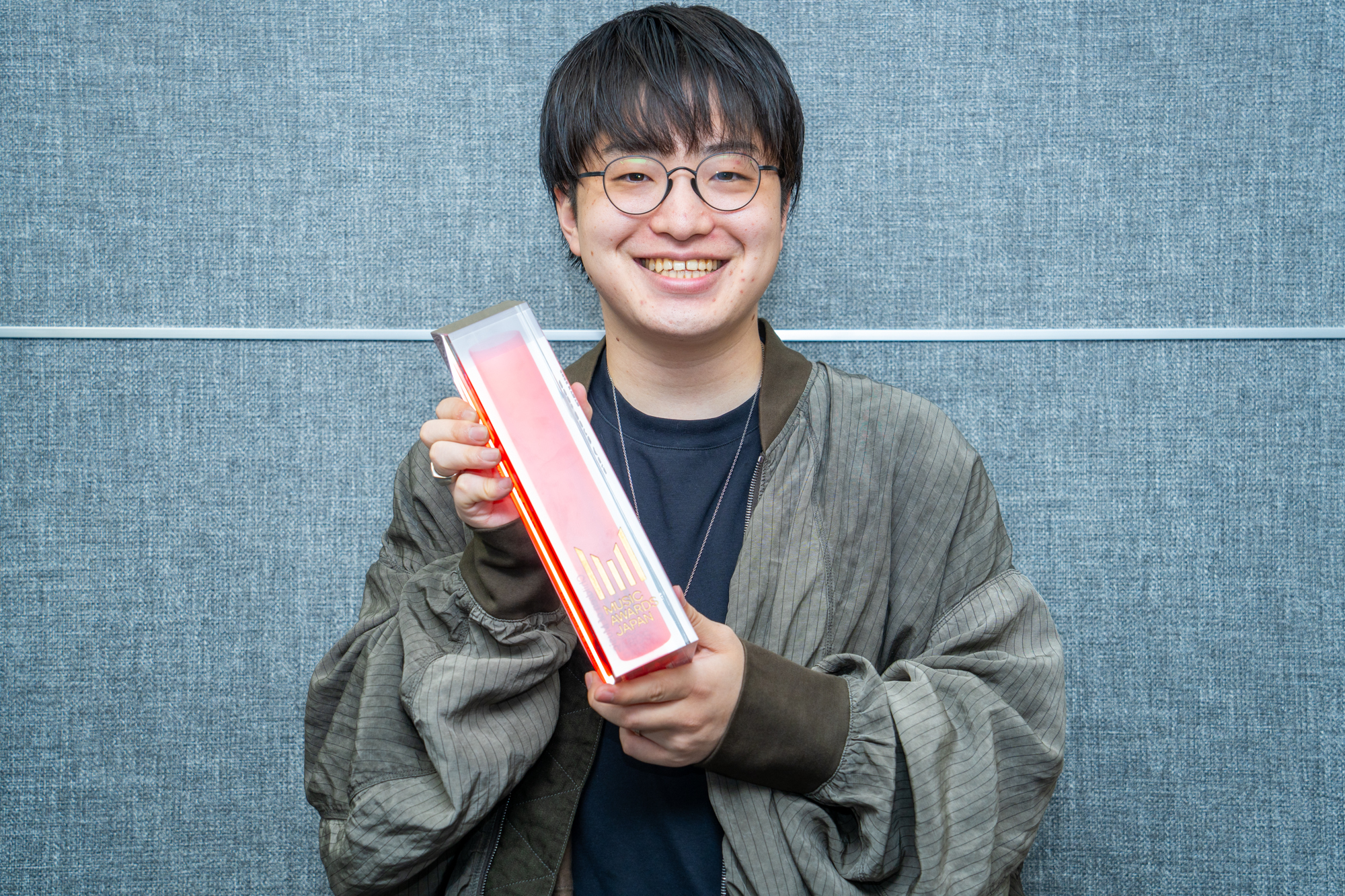
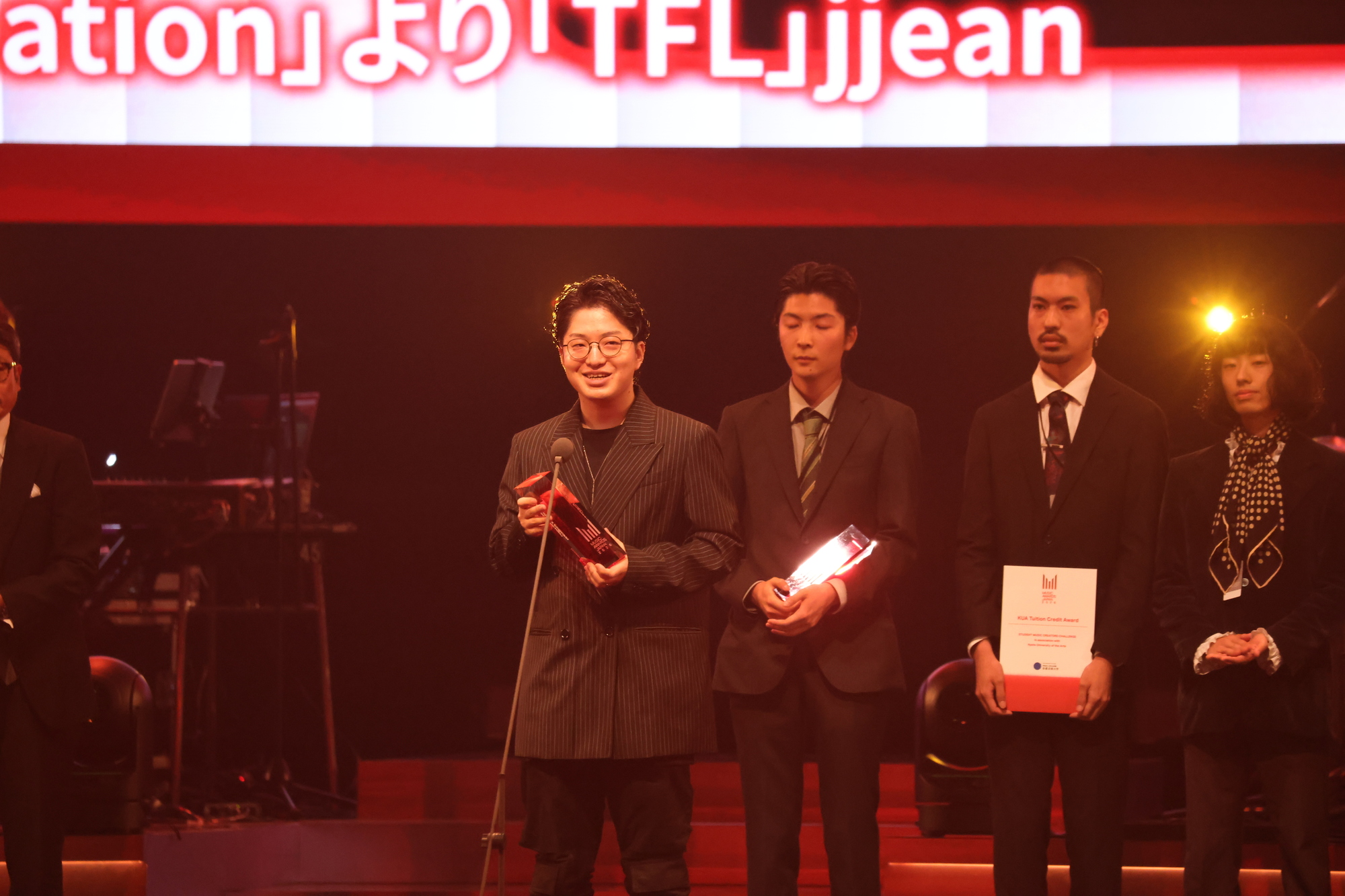
In this interview, we speak with mixing and mastering engineer Musashi Maruyama, who won the Grand Prix Engineer Award for his work on “TFL” by jjean, the solo project of Kaito Jean from SUPER★DRAGON. What exactly does a mixing and mastering engineer do? What creative decisions and techniques went into the award-winning sound of “TFL?” Maruyama discusses his approach to music production and shares his hopes for the future of MAJ.
Interview by Kyu Nakanishi
What Does a Mixing and Mastering Engineer Do?
You specialize in mixing and mastering recorded music. I understand that mixing involves adjusting the volume balance between different instruments, among other things, but for those of us who aren't experts, it's harder to understand exactly what mastering involves. How do you usually explain it?
When I'm talking to someone who doesn't work in music, I usually explain it like this: “Say you're putting together an album with songs recorded and mixed by different people. Mastering is about making sure they all sound consistent and work together as one album.”
But even individual singles need to be mastered, right?
Right. I often master tracks that I've mixed myself, so honestly, it's hard to say where mixing ends and mastering begins. I always try to get things as close to the finished master as possible while I'm mixing, so for me, there's barely any line between the two. If I had to put it into words, I'd say mastering is like adding the final polish.
You won the Grand Prix Engineer Award at MUSIC AWARDS JAPAN 2026. For those of us who aren't engineers, it's also hard to know what makes a particular mix stand out. What do you think the judges liked about your work?
That's a tough one, too. If you'd had a completely different group of judges, I think they might have picked a completely different track. With jjean's “TFL,” I really didn't want to just balance everything out and make it sound nice and easy to listen to. I wanted certain sounds to really jump out at you, and I played around with rougher textures to make things more interesting, while still keeping a good sense of range in the sound. I think that's probably what they liked about it. More than anything, I'm glad I went all in instead of holding back.
So you're saying that people can hear the intention behind your choices?
I think the balance is pretty bold, so I'd be happy if that intention came through. But at the end of the day, it also comes down to personal taste, so it's hard to say what makes one mix better than another.

I Like Sounds That Have a Clear Sense of Intention
What kind of music impresses you from an engineering perspective?
I'm always impressed by music that really pushes things to the extreme in one way or another. If you're going for a clean, polished sound, take it as far as you possibly can. If you're going for something gritty and distorted, push that as far as you can, too. What impresses me most is when you can hear that someone has fully committed to what they're doing.
So it's about being able to hear the intention behind the sound?
That's really important to me. Can you hear that the engineer genuinely wanted to make something sound a certain way and put everything into making it happen? At the same time, I do think there are certain qualities that people naturally respond to in music, and you can't just ignore those. I always try not to fall back on the excuse that it's all subjective, so anything goes.
I suppose it also depends on what the artist is trying to express.
Definitely. But I don't think what an artist says they want to express necessarily tells the whole story. Some engineers might aim to translate exactly what an artist or client asks for into sound, but I don't think that's really my approach. At the end of the day, we're different people, so it's impossible to understand exactly what someone else is thinking or what they mean by every word. That's why I like to keep the conversation going, saying things like, “This is how I see it. What do you think?” It helps us understand each other better.
So rather than just doing what you're told, you're working together to find something better?
Exactly. To use a baseball analogy, someone might be trying to throw a pitch outside the strike zone but accidentally throw a strike instead. It would be a shame to just assume they wanted to throw a strike and leave it at that. And even if an artist thinks they want to throw a fastball to the outside corner, they might later realize that a slider on the inside is actually what they wanted all along.
So you want to help artists discover what they really want, even if they haven't realized it themselves yet?
Yes. I think I tend to get more involved in the creative process than most engineers. With jjean's project, for example, I'm involved right from the recording stage, helping choose vocal takes and effects, including decisions that would normally be left to an arranger or director. During recording, it's usually just the two of us working together, and we create a lot of the effects on the spot as we record. Then, when we get to mixing, the arranger joins us, and the three of us work together, exchanging ideas as we shape the sound.
That kind of collaboration must depend on having a close relationship with the artist.
Absolutely. With “TFL,” the trackmaker Noli Stark from Geek Kids Club was actually ahead of me at music school, and he'd been really good to me ever since those days. It's that kind of trust that makes this way of working possible.
Adapting to the Mood of Each Song
From what you've told me, it sounds like you're involved in recording as well as mixing and mastering. And you even take on some of the work an arranger would normally do.
Of course, there are sessions where different people handle each of those roles, and that approach has its advantages, too. But with projects like jjean's, where I'm constantly doing things that are closer to mixing even during recording, I sometimes feel the end result will be better if I handle everything from start to finish. When that's the case, I try to work that way whenever possible.
I imagine that helps keep things consistent, too. Would you say the ideal situation is for artists to do everything themselves?
I think so. It's not so much that I'm doing the mixing for them just because I happen to have the skills. It feels more like we're making the music together.
Is there anything you pay particular attention to when communicating with artists?
During recording sessions, I try not to say or do anything that might disrupt the mood or flow of the song we're working on. If we're recording an emotional ballad, for example, and I suddenly jump in with a cheerful announcement that I'm going to check the take, it can break the mood and make it harder for everyone to stay immersed in the music. So I adjust when I speak, my tone of voice, and even my facial expressions depending on the atmosphere in the room.
That makes sense. Whether you're singing or playing an instrument, being emotionally connected to the music is incredibly important. You could even say it's the most important thing.
Exactly. I try to immerse myself in the world of the song, too, so I don't interrupt the atmosphere in the studio. Actually, it's become something I do naturally without even thinking about it. But most engineers do this anyway, so it's not something unique to my approach.
When All Music Started to Sound the Same
What are some recordings that have really impressed you in terms of their sound?
There are so many, but one example is Daft Punk's “The Game of Love.” The way they've handled the range and sense of space is incredibly well thought out. Then there's Mutemath's “Tell Your Heart Heads Up,” which completely blew me away, especially the way they use distortion. I guess I'm drawn to sounds where you can really hear the intention behind them.
Have you always listened to music that way, even when you were younger?
Not really. When I was in high school, I got really into Mr.Children. I learned to sing and play almost all 200 of the songs they'd released at the time on guitar. But that ended up training my ear in a strange way. I started hearing every J-pop song in terms of chord degrees and melodies in movable-do solfège.
I have relative pitch, and back then I couldn't really pick up on the different qualities of individual keys. So I started feeling like every song was built the same way, and there was a period when music just wasn't that interesting to me anymore. But once I started paying attention to the actual sound quality and textures of recordings, I discovered a whole new way to enjoy music.
— So even if two songs have similar musical structures, the way they're recorded and mixed can make them completely different listening experiences?
Exactly. Reverb and distortion can completely change how something feels, and you can use compression to shape the groove. I realized that paying attention to those things suited me better, and I found it much more interesting.
That doesn't seem like something you'd necessarily pick up just from listening to or playing music. Were you already interested in recording techniques back then?
Yeah. In high school, I wasn't just playing and singing Mr.Children songs. I was also experimenting with recording music at home. I'd use band scores to program drums and synths, play the guitar and bass parts myself, and even record the vocals. I really enjoyed the whole process of putting everything together and turning it into a finished recording. I think that's what made me realize how much fun making records could be.
Hopes for the Future of MAJ
How did people around you react when you won the Grand Prix Engineer Award?
A lot of people were really happy for me, which meant a lot. But for about a week after winning, I actually found myself struggling with it. I kept wondering whether this was really the kind of work I'd been doing to receive recognition on such a big stage, in front of so many people. I started questioning whether it was the right thing for me, given my values and the way I want to live my life.
Were you worried about getting caught up in the pursuit of recognition rather than focusing on the work itself?
Yeah, that's part of it. But I also wondered whether there were other talented engineers out there who deserved recognition just as much.
The Grand Prix Engineer Award is a little different from the other MAJ categories. It's selected from the outstanding works recognized by the Japan Professional Music Recording Award. That award requires submissions, either by the engineers themselves or by someone else on their behalf. So there's always the possibility that someone who's doing amazing work simply hasn't entered.
So the award doesn't necessarily cover everyone who could be considered?
That's how I see it. Ideally, I'd love for the Grand Prix Engineer Award to become something everyone recognizes as the award for the best engineer in Japan. I hope it grows into a truly prestigious award, one that winning can only be seen as a positive thing.
Ideally, there would be a system where great recordings are automatically considered, whether or not the engineers themselves choose to enter.
That would be ideal. But I also think it would be difficult to make that happen. Maybe it's partly because of the kind of projects I tend to work on, but I often find that the recordings where I can really focus on the sound and come away feeling I've made something great are by more independent artists. Finding all those recordings and making sure none of them gets overlooked wouldn't be easy.
That makes a lot of sense. On a different note, could you recommend a few recordings you're particularly proud of for people who want to hear more of your work?
I'd probably go with TOMOO's “Ginger,” Furuhi Shindo's “D-senjo de Odore,” Shakumudou's “Yasashii Hi,” and Chita Henry's “Inakamono.” They're all projects where I either paid particular attention to the sound textures or had the freedom to experiment and have fun with the sound. I think people might enjoy listening to them with that in mind.
I Hope Someone Comes Along Who Makes Me Want to Retire
Awards like this might inspire more young people to become recording engineers. What would you say to someone who's interested in getting into the field? What makes the job rewarding?
I think a lot of people have a vague idea that they want to work in music, but don't really know what kinds of jobs are out there. If you're someone who loves software or gets excited about equipment like microphones and mixing consoles, this could be the perfect job for you.
And this is just my personal opinion, but I don't think we've seen the audio engineering equivalent of Shohei Ohtani, one of baseball's greatest talents
So there's a chance for someone to become the Shohei Ohtani of audio engineering?
Absolutely. There are so many people playing baseball, but the number of audio engineers is much smaller. I also feel that engineers in Japan, myself included, still have a long way to go before we catch up with the very best in the world.
I'd love to see the Grand Prix Engineer Award go to someone with such extraordinary talent that they make winning look effortless, almost like they're laughing at those of us who work hard at it every day. I'd rather see that than someone like me winning just because I'm putting in the hours. I'd be happier listening to the incredible music someone like that could make, and I'd enjoy it more, too. I want someone to show me just how much more talented they are and make me retire.
It's pretty amazing that you can say that!
Well, right now, I still like the sound I create, and I keep doing this because I can make music sound the way I think it should. But I'm sure there are people out there who don't even know audio engineering is a career option yet, and some of them must be far more talented than I am.
It's an incredibly demanding job, both physically and mentally, and a lot of people end up leaving because they just can't keep up. I've always wondered how many of those people might actually have had extraordinary talent.
In a way, I feel a bit insecure about the fact that I've survived simply by being able to handle the workload. Am I still here because I have talent as an engineer, or just because I happened to have the stamina to keep going?
But surely stamina is a talent in itself.
That's true. But it's sad to think that someone with real musical talent might be forced out simply because they can't keep up with the physical demands of the job. I hope the industry can become a place where those people have a better chance of staying and building a career.