FEATURES

“MUSIC AWARDS JAPAN – Deep Insights –” Vol. 3: Tomonori Shiba Discusses the Best New Artist Award

Japan’s largest music awards, MUSIC AWARDS JAPAN, was established in 2025 by the Culture and Entertainment Industry Promotion Association (CEIPA). It’s a general incorporated association founded by the five major Japanese music industry organizations: the Recording Industry Association of Japan, the Japan Association of Music Enterprises, the Federation of Music Producers Japan, the Music Publishers Association of Japan, and the All Japan Concert & Live Entertainment Promoters Conference. It is held under the concept: “Connecting with the world and illuminating the future of music.”

This award was established with the aim of becoming Asia’s counterpart to the Grammy Awards. Submitted works are automatically moved forward based on objective metrics gathered from Billboard Japan and the Oricon music charts. From there, voting determines five nominees in each category, as well as eventual winners.

Voting is carried out by approximately 5,000 music industry professionals across various fields. They include artists, creators, record label staff, concert promoters, music publishers and judges from international music awards.

In its second year, the awards ceremony will be held on June 13 at TOYOTA ARENA TOKYO in the capital’s Odaiba area. Entries were announced on March 19, with the first round of voting beginning the same day. After the nominees selected through this process are announced on April 30, final voting will take place until May 20.

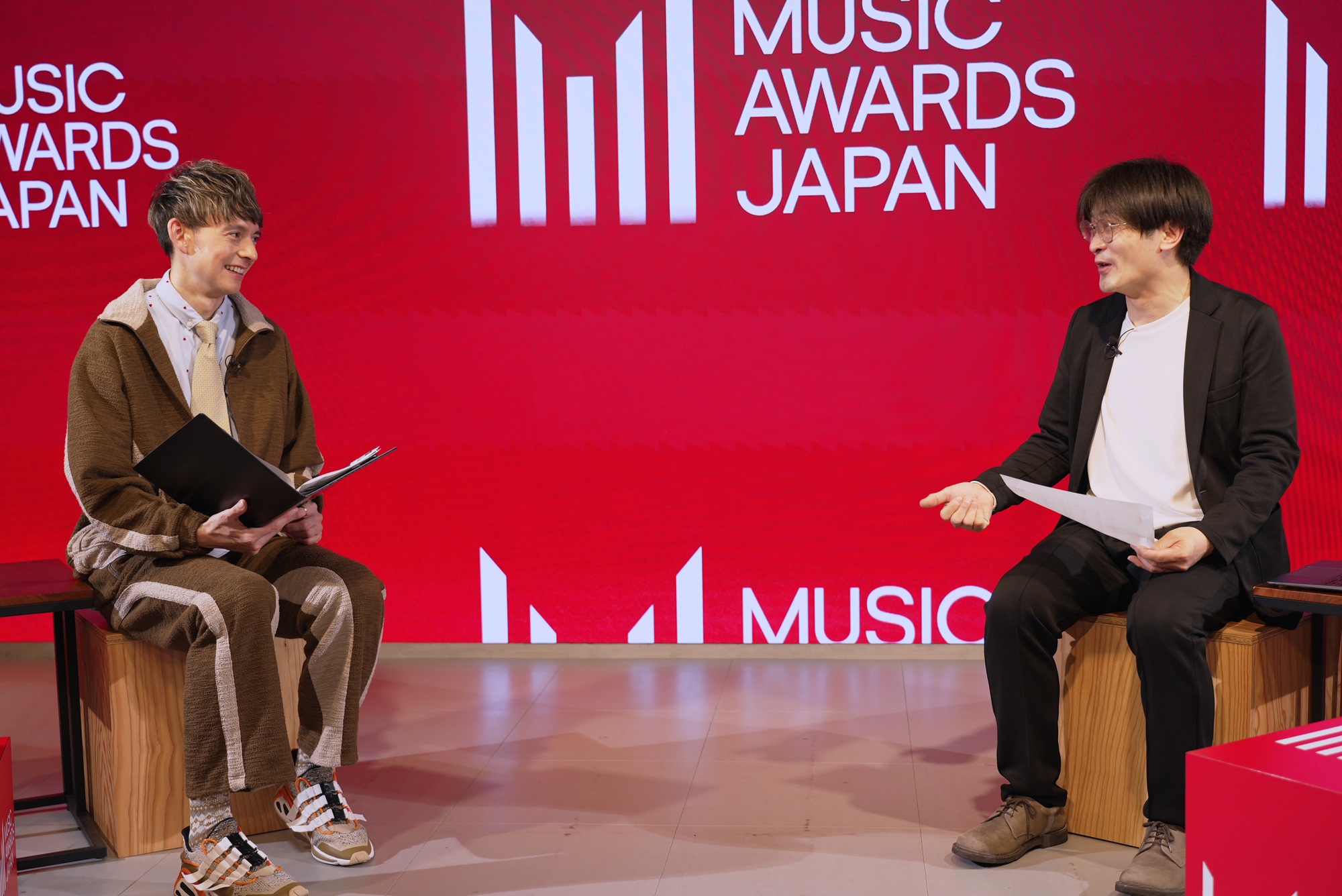
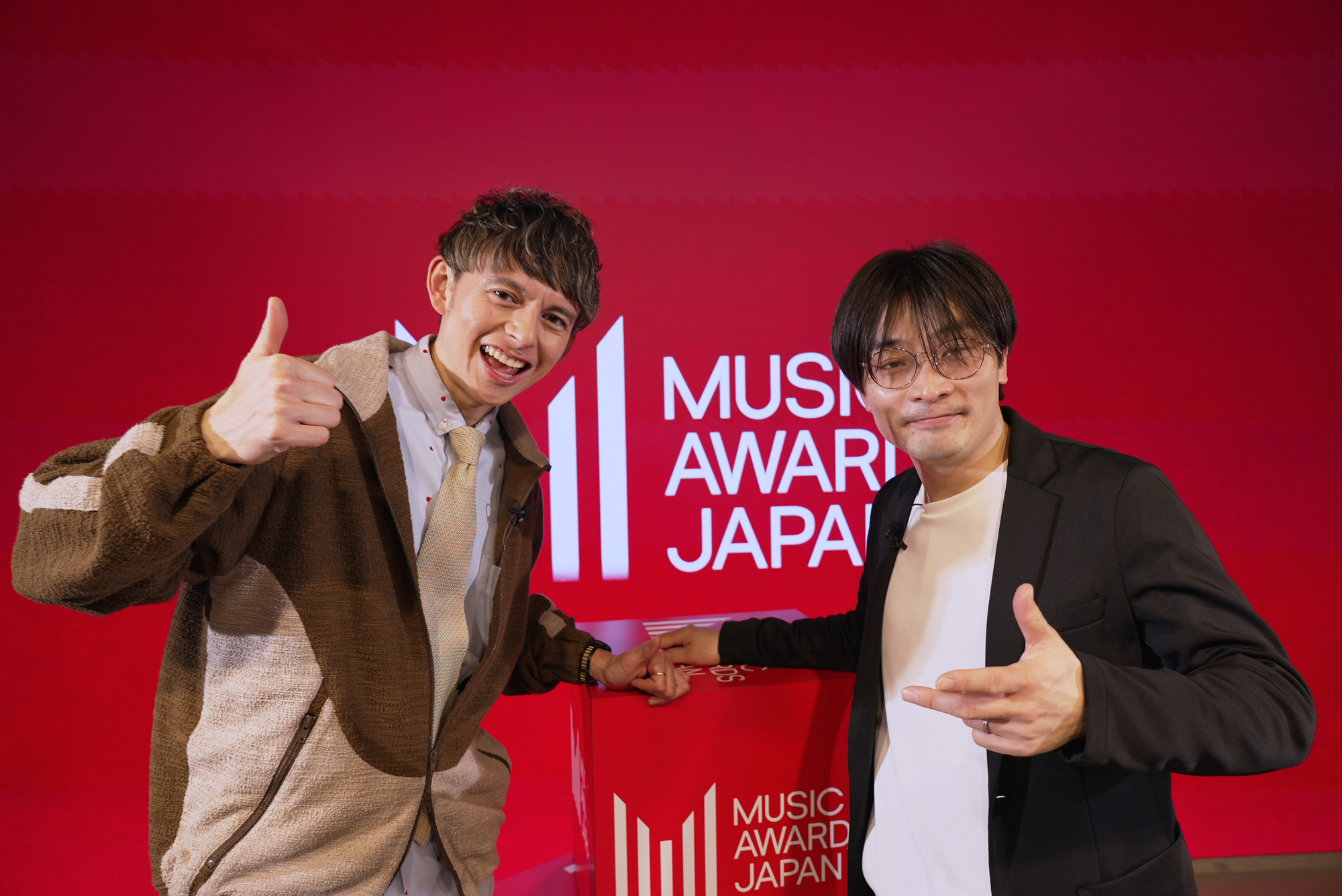
Prior to this, a new program titled “OTOMO presents MUSIC AWARDS JAPAN -Deep Insights-” launched on the official YouTube channel of MUSIC AWARDS JAPAN / CEIPA. Centered around the theme “What is happening in the music scene right now?”, it is a talk show in which host Harry Sugiyama invites a different expert guest each episode to explore the current state of various music genres.

A new chapter in music history has begun.

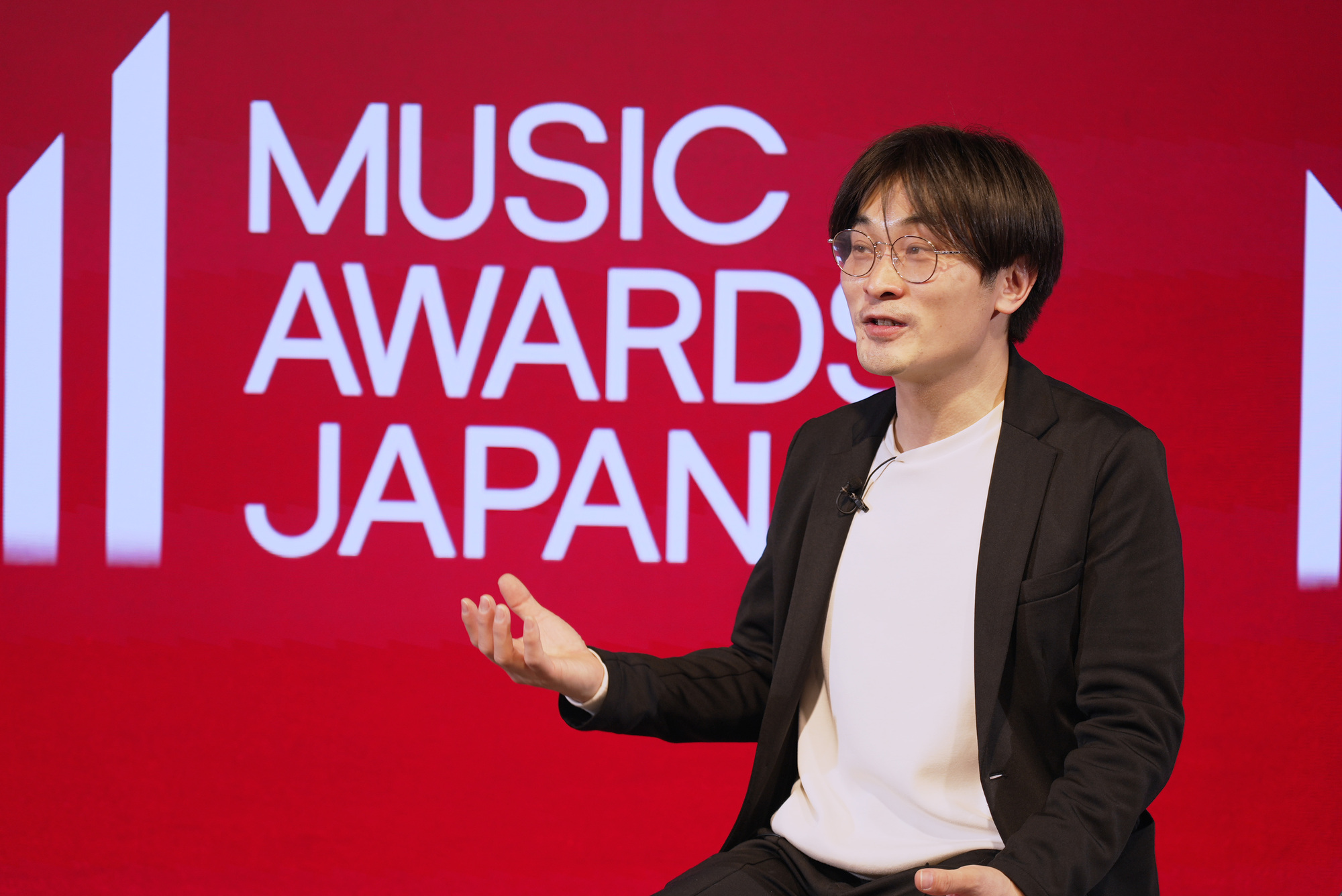
The theme of the third episode is the “Best New Artist Award.” Music critic Tomonori Shiba joins as a guest to provide an overview of notable emerging artists and the current trends surrounding them. Before diving into the main topic, Shiba passionately spoke about the significance of MAJ itself, declaring, “There’s no doubt that a new chapter in music history has begun.” Drawing a comparison to how the launch of one of the major Japanese comedy competitions, M-1 Grand Prix, reshaped the history of manzai before and after its inception, he suggested that the paradigm of the music scene will similarly be divided into “pre-MAJ” and “post-MAJ.”

“Awards, for better or worse, carry authority, and when we look back on them, they become part of history. My first impression was that we might only truly understand its value ten years from now,” he added, offering a broader, long-term perspective.

Last year’s “Best New Artist Award” was won by identity-hiding singer-songwriter tuki. The nominees included FRUITS ZIPPER, Number_i, Omoinotake and Kocchi no Kento.

Shiba argues that the fact artists from such a wide range of genres were nominated highlights the diversity of Japan’s music scene. Reflecting on this, he noted, “In a good way, it made me realize that there’s no fixed formula, no set style that guarantees success, or a specific type of newcomer destined to break through.”

Among them, he pointed to tuki. as a symbolic figure, praising the artist for establishing a now-common breakout path via TikTok virality through faceless singing-and-guitar videos at just 16 years old. He added, “When I interviewed her before, she mentioned that even among her friends, many don’t know that she is tuki. She truly values her life as an ordinary teenage girl.”

Through this, Shiba expressed his sense that the nature of stardom, once defined by constant visibility and attention, is evolving with the times.

What MAJ Should Look to as a Role Model

Looking back at newcomer awards across the industry from before the launch of MAJ, Shiba reflected, “The past five years have seen a steady emergence of artists who have reshaped the music scene.” He pointed in particular to 2020 as a symbolic and remarkable year, explaining, “To be precise, it was around November 2019 to January 2020, when YOASOBI, Fujii Kaze and Vaundy all emerged at once. Just before the pandemic, artists who initially started out rather quietly have now become defining stars of the 2020s,” emphasizing the uniqueness of that moment.

He also pointed out that there has been a major turning point in the nature of dance and vocal groups. “BE:FIRST debuted in 2021, and they fundamentally changed the very structure of what it means to be an ‘audition-born group.’ It’s no longer just about ‘liking them’ or thinking they’re ‘cool’, the idea that ‘I support them because I resonate with their values and vision as a group’ has become much more widespread,” he explained, emphasizing that the period around 2020 marked a time of simultaneous paradigm shifts across various fields.

It goes without saying that there are numerous “Best New Artist” awards not only in Japan but around the world. Harry asked whether MAJ might look to any as a model. In response, Shiba, while noting ‘whether it’s ideal or not’, pointed to U.K. national broadcaster BBC’s “Sound of…” honor.

This award recognizes emerging talents who made a significant impact the previous year, as selected by industry professionals, with past winners including Adele and Sam Smith. Harry added that he also keeps a close eye on the award, noting that he has often seen artists highlighted there go on to perform at major festivals such as Fuji Rock Festival and Summer Sonic within one or two years.

In that sense, the “Best New Artist Award” could similarly become a prize that proves an artist, who is later recognized on the global stage, had already been acknowledged domestically during their early career.

Artists Shiba Is Personally Watching

Turning to the entry artists for MAJ 2026, the discussion shifted to the notable presence of group acts dominating much of the list. Shiba commented, “Looking back at last year’s music scene, the rise of HANA was particularly symbolic. With them at the forefront, there was a strong showing of dance and vocal groups as well as idol groups.”

In this context, he also referenced the striking performance by HANA’s producer Chanmina at last year’s MAJ, adding, “To think things could change this much in just a year, it’s remarkable. HANA has already moved beyond being a ‘new artist’ and is becoming one of the groups representing Japan. They’ve truly become an exceptional presence.”

Shiba also highlighted Brandy Senki and BILLY BOO, praising their sudden rise that defies convention, emerging without following in the footsteps of any established predecessor groups.

At the same time, he also expressed strong interest in the growing momentum of the idol groups affiliated with KAWAII LAB., which, in contrast, is thriving by openly embracing and foregrounding its cultural “context.”

He further noted his curiosity toward uniquely distinctive acts such as Nikoん, known for its unconventional and uncompromising approach, including withdrawing from streaming platforms, and Vocaloid producer Yoshimoto Ojisan, who is gaining attention for his singular musical style.

When asked about artists he is personally watching despite not being on the entry list, Shiba mentioned kurayamisaka and Rol3ert. He described the former as “a band with an excellent shoegaze-style guitar sound,” and the latter as “an artist with a global sensibility reminiscent of the 1975,” adding that both “have the potential to break out much further.”

In response to Harry’s question about how he discovers such new talent, Shiba revealed, “I actually watch quite a lot of TikTok.” He added with a hint of pride, “I’ve trained the algorithm so that it feeds me cool and unique emerging artists,” prompting a look of surprise from Harry. According to Shiba, he strictly skips non-music content and takes time to watch carefully whenever a good track comes up, allowing the algorithm to optimize itself over time.

Hearing this, Harry laughed, “For me, it’s mostly AI-generated videos that come up, and I end up watching them. My algorithm just never improves.” Shiba responded confidently, “That’s why I stay disciplined when it comes to TikTok.”